Understanding EMS PCB: Innovations in Electronics Manufacturing
Key Takeaways
The landscape of Electronics Manufacturing Services (EMS) and Printed Circuit Board (PCB) technologies is rapidly evolving, highlighting significant advancements that influence both production efficiency and product quality. A critical component of this transformation is the rise of pcb assembly, which integrates innovative techniques and materials to enhance the reliability and performance of electronic devices. These developments in pcba help streamline workflows, reduce production times, and cut costs, ultimately leading to more competitive market offerings.
Moreover, automation has become a cornerstone of modern EMS PCB production. With an increasing reliance on robotic systems and advanced software solutions, manufacturers can ensure higher precision in assembly processes. These innovations not only facilitate the handling of complex board designs but also minimize human error. The table below illustrates some key automation technologies currently shaping the industry:
| Technology | Impact on EMS PCB |
|---|---|
| Robotics | Enhanced efficiency in pcb assembly |
| AI-driven analytics | Improved quality control |
| IoT integration | Real-time monitoring and diagnostics |
“Incorporating automation into PCB manufacturing is no longer a luxury; it’s a necessity for staying competitive.”
Furthermore, embracing best practices in EMS and PCB integration can lead to substantial gains in operational efficiency. From optimizing layout designs to implementing effective supply chain management strategies, each step contributes to the overall enhancement of productivity.
As we look towards the future, it is crucial for stakeholders within the electronics manufacturing sector to remain adaptable and embrace these innovations wholeheartedly. The collaborative effort between emerging technologies and traditional manufacturing practices will pave the way for the next generation of electronic devices that meet ever-evolving consumer demands.
Key Innovations in Printed Circuit Board (PCB) Design and Production
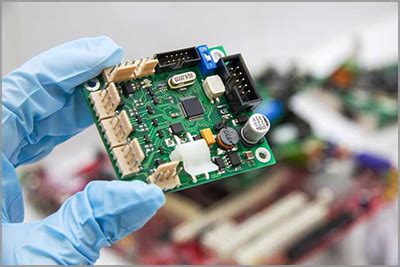
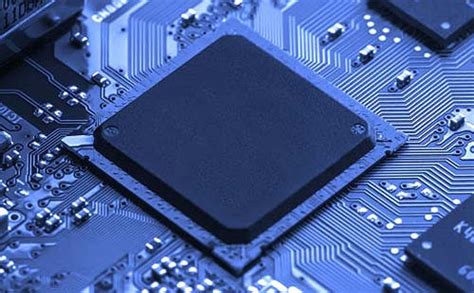
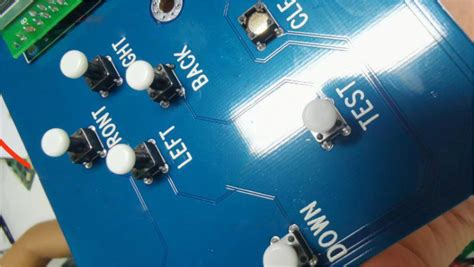
The landscape of Printed Circuit Board (PCB) design and production has witnessed significant advancements in recent years, driven by the need for greater efficiency and functionality. One of the most notable innovations is the integration of advanced materials that enhance thermal performance and electrical conductivity, resulting in more reliable and compact pcb assembly solutions. Innovations in multilayer PCBs allow for increased circuit density without compromising performance, enabling designers to create smaller devices with more complex functionalities. Furthermore, the rise of flexible PCBs has opened up new possibilities in product design, facilitating the development of lightweight and adaptable electronic devices. These advancements are complemented by sophisticated design software that facilitates rapid prototyping and reduces time-to-market for new products. Additionally, the application of improved manufacturing techniques, such as laser drilling and HDI (High-Density Interconnect) technology, enhances precision in pcba, ensuring that connections are both reliable and compact. Overall, these key innovations are reshaping the future of PCB design and production, setting new benchmarks for quality, performance, and efficiency in the electronics manufacturing sector.
The Role of Automation in EMS PCB Manufacturing
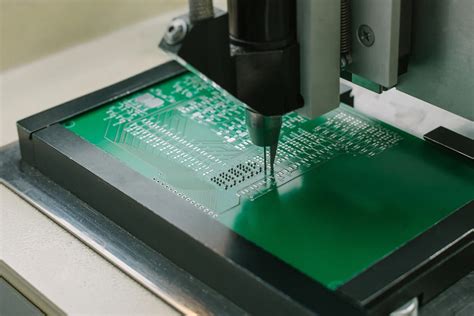
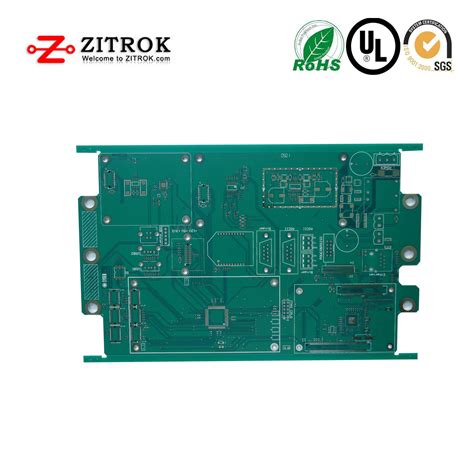
Automation has emerged as a cornerstone in enhancing the efficiency of Electronics Manufacturing Services (EMS) and Printed Circuit Board (PCB) production. Through the integration of advanced technologies, manufacturers are increasingly relying on automated processes to streamline pcb assembly and improve the accuracy of PCBA (Printed Circuit Board Assembly). These innovations not only reduce human error but also enable a faster turnaround time, allowing companies to respond swiftly to market demands. For instance, the use of robotics in soldering and component placement ensures that each PCBA meets stringent quality standards while minimizing waste. Additionally, automation facilitates real-time monitoring throughout the production cycle, resulting in improved traceability and quality assurance for every step involved in pcb assembly. As companies continue to explore automation solutions, the potential for increased capacity and reduced operational costs becomes increasingly tangible, positioning automation as a vital element for success in the evolving landscape of EMS PCB manufacturing.
Enhancing Efficiency: Best Practices in EMS and PCB Integration
In today’s rapidly changing landscape of electronics manufacturing, integrating Electronics Manufacturing Services (EMS) with Printed Circuit Board (PCB) processes is essential for achieving optimal efficiency. To enhance productivity, companies must adopt best practices that streamline operations and ensure high-quality output. One such practice involves meticulous planning of the pcba process, which can significantly reduce lead times and increase throughput. Implementing automated systems for soldering and assembly allows for greater precision and consistency in pcb assembly, minimizing human error. Another important aspect is to embrace the latest technologies in PCB design, such as utilizing advanced software for simulation and modeling, which helps identify potential issues early in the production cycle. Moreover, fostering a culture of continuous improvement among team members can lead to innovative solutions that enhance workflow and reduce waste. By prioritizing these strategies, organizations can not only improve their PCBA operations but also lay a solid foundation for future advancements in EMS PCB integration, ensuring they remain competitive in an evolving market.
Challenges and Solutions in Modern Electronics Manufacturing
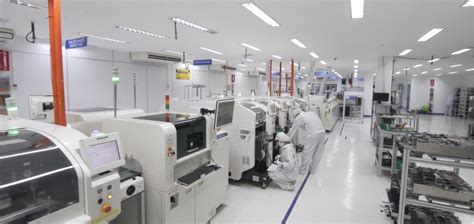
In today’s rapidly evolving landscape of Electronics Manufacturing Services (EMS), the complexities surrounding Printed Circuit Board (PCB) production have given rise to numerous challenges. One significant issue is the increasing demand for high-quality PCB assembly that meets stringent industry standards. Manufacturers must navigate the intricacies of component sourcing, design fidelity, and assembly processes while ensuring that each PCBA is both reliable and cost-effective. Additionally, as technology advances, there is a growing need for flexibility in production to accommodate varying designs and rapid prototyping.
To address these hurdles, companies are increasingly turning to automation and advanced manufacturing techniques. Implementing robotic systems in the EMS PCB production line enhances precision while minimizing human error. Furthermore, adopting smart manufacturing practices allows for real-time monitoring of production processes, facilitating swift adjustments when issues arise. This shift not only improves operational efficiency but also fosters a culture of continuous improvement within the manufacturing ecosystem.
Sustainability also poses a challenge, as manufacturers are pressured to minimize waste and adopt eco-friendly materials without compromising quality. Solutions such as recycling programs and the use of biodegradable substrates for pcba are gaining traction as viable options to address these environmental concerns. Embracing these innovations will be pivotal for companies looking to thrive in the competitive landscape of electronics manufacturing while staying aligned with evolving consumer values regarding sustainability.
Conclusion
In summary, the landscape of Electronics Manufacturing Services (EMS) and Printed Circuit Board (PCB) technologies is experiencing rapid transformation due to innovative practices and advanced technologies. The integration of automation in EMS PCB manufacturing processes has proven to be a game changer, significantly enhancing the efficiency of PCB assembly. By leveraging the power of automation, manufacturers can ensure high-quality standards while reducing production time and costs associated with assembling PCBA. Furthermore, advancements in design techniques have resulted in more compact and efficient circuit layouts, which not only save space but also improve performance. Sustainability continues to be a vital aspect of modern manufacturing practices; eco-friendly materials and production methods are increasingly being adopted within the EMS PCB sector, aligning with global efforts to reduce environmental impact. As we look to the future, it is clear that ongoing innovations will play a crucial role in addressing challenges and seizing opportunities within this dynamic industry, propelling growth and introducing new possibilities for electronic devices and systems.