Understanding PCB and Motherboard Assemblies for Electronics
Key Takeaways
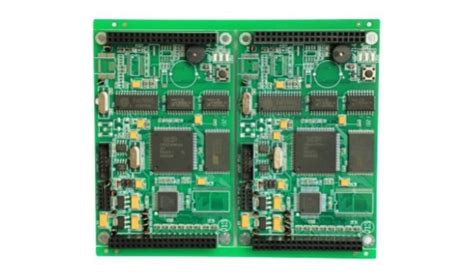
Understanding PCB and motherboard assemblies is crucial for anyone involved in electronics design and manufacturing. The significance of pcb assembly lies not only in the sheer number of electronic devices that rely on these assemblies but also in the intricate details that contribute to their overall performance. A well-designed pcba serves as the backbone of modern electronics, facilitating communication between various components and ensuring efficient operation.
When discussing key components, one must consider elements such as capacitors, resistors, and integrated circuits. The quality of these components directly impacts the reliability and longevity of the assembly. Additionally, leveraging efficient assembly techniques, such as surface mount technology (SMT) or through-hole soldering, can significantly improve production speed and reduce costs.
“Investing time in understanding your assembly techniques can lead to substantial improvements in both product quality and efficiency.”
Applying best practices during the design phase—from layout optimization to thermal management—can bolster both performance and manufacturability. However, challenges like misalignment or solder defects can hinder a successful pcb assembly, making it essential to adopt a proactive mindset towards quality control measures. As technologies continue to evolve, staying informed about emerging trends in PCB design and manufacturing processes will be vital for creating state-of-the-art electronic devices capable of meeting future demands.
Introduction to PCB and Motherboard Assemblies
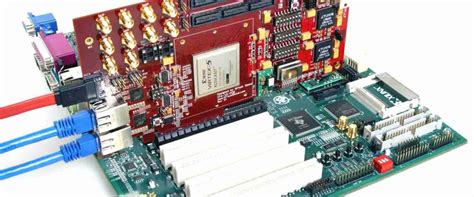
In the world of electronics, PCB (Printed Circuit Board) and motherboard assemblies serve as the backbone of almost all devices. A pcb assembly is a complex structure that integrates various electronic components, allowing them to function cohesively within a device. The process of creating a pcba (printed circuit board assembly) involves several critical steps, including component placement, soldering, and testing. It is essential to understand that both PCBs and motherboards must be designed with precision to ensure optimal performance and reliability.
As technology evolves, the intricacies surrounding PCB design become increasingly sophisticated, requiring manufacturers to adopt advanced techniques and methodologies. The successful integration of components on a PCB not only supports effective electrical connections but also contributes significantly to thermal management and signal integrity. Furthermore, in an era where miniaturization is key, optimizing space on these boards without compromising performance presents a unique challenge for engineers.
Overall, when discussing PCB and motherboard assemblies, it is crucial to recognize their integral roles in driving innovation across a variety of electronic devices—from smartphones to complex computing systems—ensuring that they operate efficiently and effectively in an ever-changing technological landscape.
Key Components of PCB and Motherboard Designs
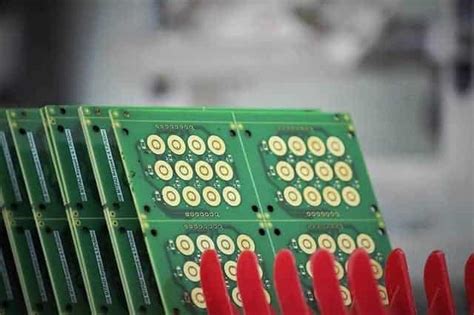
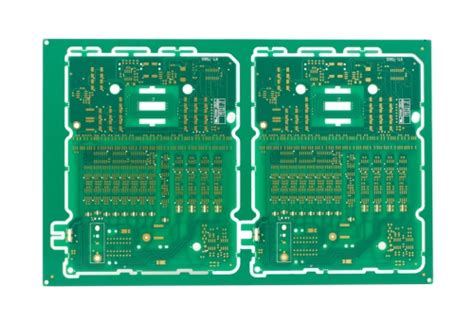
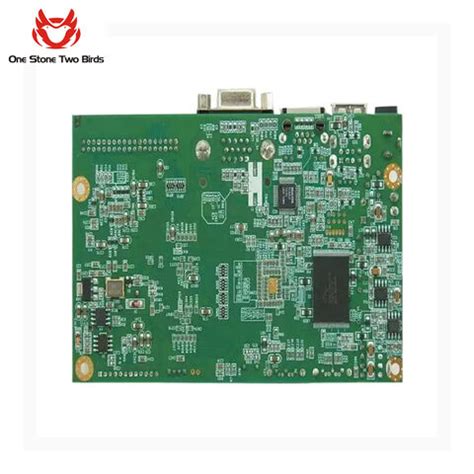
When examining PCB and motherboard assemblies, it’s essential to understand the fundamental components that contribute to their functionality and efficiency. At the heart of these assemblies lies the printed circuit board (PCB) itself, which is a flat board made from insulating material, typically fiberglass, with conductive pathways etched onto its surface. These pathways allow components to connect electrically, forming a functional circuit. Among these components are resistors, capacitors, and integrated circuits (ICs); each plays a critical role in managing electrical current and enabling various electronic functions.
In addition to passive and active electronic components, pcb assembly often includes connectors that facilitate the integration of peripherals and other boards within a device. Furthermore, features like vias—small conductive pathways that allow connections between different layers of the PCB—are pivotal for multilayer designs, commonly found in motherboard construction.
Here’s a concise breakdown of key components in PCB and motherboard designs:
| Component Type | Functionality |
|---|---|
| Resistors | Limit current flow; control voltage levels |
| Capacitors | Store and release electrical energy |
| Integrated Circuits | Combine multiple functions into a single component |
| Connectors | Enable connections between different parts |
| Vias | Allow layer-to-layer communication within PCBs |
Understanding these key elements allows engineers to optimize assembly techniques for better performance, particularly in terms of heat dissipation and signal integrity. Regardless of whether it’s basic electronic devices or complex computing systems, the design choices made during pcba directly impact overall device efficiency and reliability. By focusing on thoughtful component selection and strategic layout planning, manufacturers can significantly advance the quality of their products in an increasingly competitive landscape.
The Role of PCB Assemblies in Electronic Devices
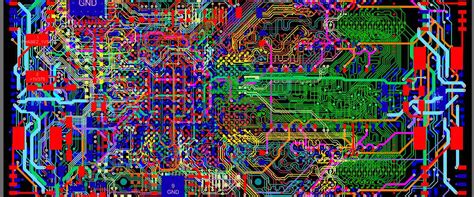
PCB assemblies, often referred to as PCBA, play a crucial role in the functionality and performance of electronic devices. They serve as the backbone of modern electronics, integrating numerous electronic components into a compact form factor. The pcb assembly process involves meticulous placement and soldering of components onto the printed circuit board, which allows for efficient power distribution and signal transmission. This careful assembly is essential for ensuring that each component functions optimally within the device, contributing to its overall performance and reliability.
Moreover, PCB assemblies are designed to accommodate various technologies, whether it be through surface mount or through-hole techniques. The right assembly method can significantly enhance factors such as density, thermal performance, and signal integrity. As devices become increasingly miniaturized while requiring greater functionality, advances in pcba techniques are vital in meeting these demands. In addition to enhancing performance, effective PCB assembly can also influence production costs and lead times, making it a key consideration for manufacturers striving to maintain a competitive edge in the electronics market. Thus, understanding the intricacies of PCB assemblies is essential not only for engineers but also for anyone involved in designing and producing electronic devices.
Assembly Techniques for Efficient Electronics Production
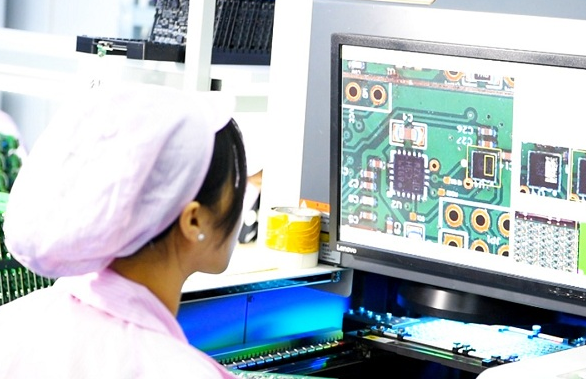
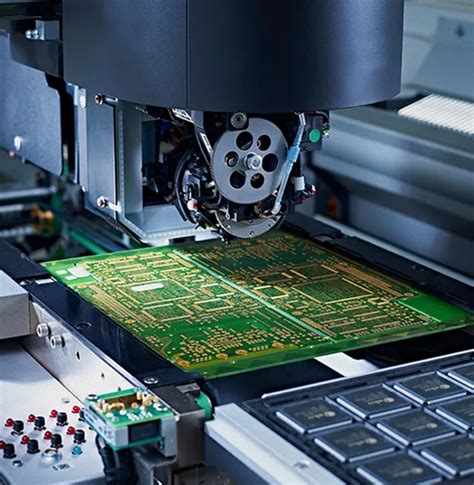
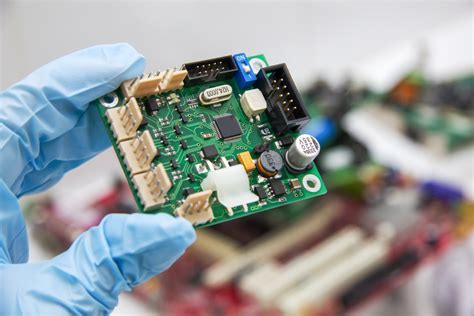
In the realm of electronics, the effectiveness of PCB assembly plays a crucial role in ensuring the reliability and performance of devices. Efficient PCBA requires a meticulous approach, incorporating various techniques that optimize both time and resources. One primary method involves utilizing automated processes, such as Surface Mount Technology (SMT), to place components with precision. This not only accelerates production rates but also minimizes human error during assembly. Furthermore, embracing advanced soldering techniques, such as wave and reflow soldering, can enhance connection reliability by creating durable bonds that withstand stress during operation. Additionally, thorough testing methods—such as Automated Optical Inspection (AOI)—allow manufacturers to identify potential defects early in the production cycle, ensuring only high-quality PCB assemblies progress to final testing stages. As technology continues to evolve, integrating machine learning algorithms into the assembly process may further refine these techniques by predicting failures and optimizing workflows dynamically. The focus remains on achieving an efficient balance between speed and quality, ensuring that every PCBA meets the highest industry standards for performance and durability.
Best Practices for Optimizing PCB and Motherboard Performance
When it comes to enhancing the performance of PCB and motherboard assemblies, a comprehensive understanding of specific best practices is essential. One critical aspect is ensuring proper pcb assembly processes, which directly influence the overall functionality and reliability of electronic devices. It is vital to choose high-quality PCBA components that complement each other effectively, as incompatible parts can lead to significant issues such as signal degradation and component failure. Moreover, maintaining precise alignment during assembly is crucial; even slight misalignments can result in increased resistance and poor electrical connectivity. Additionally, optimizing soldering techniques plays a pivotal role in achieving strong bonds that can withstand thermal stresses. Implementing robust inspection methods, such as automated optical inspection (AOI), helps catch faults early in the pcb assembly process, ensuring any potential issues are addressed before they escalate into costly repairs. Embracing these practices not only enhances individual device performance but also contributes to the longevity and reliability of all PCB assemblies within an electronic system. Staying informed on the latest advancements in materials and techniques further aids manufacturers in optimizing their processes for superior outcomes in both efficiency and effectiveness.
Common Challenges in PCB Assembly and How to Overcome Them
The process of PCB assembly (or PCBA) often presents various challenges that can impact the performance and reliability of electronic devices. One prevalent issue is the misalignment of components during the assembly process, which can lead to defects such as solder bridging or cold solder joints. To mitigate this, employing precise automated pick-and-place systems can significantly enhance accuracy. Another common challenge is managing thermal issues; overheating can damage sensitive components on the PCB. Utilizing thermal management solutions, such as heat sinks and thermal pads, can help address this concern effectively. Additionally, ensuring a clean work environment is crucial, as contaminants like dust and moisture can lead to poor adhesion of solder and ultimately affect device functionality. Implementing regular maintenance protocols for both machinery and cleanrooms helps maintain optimal assembly conditions. Lastly, staying updated with evolving best practices in pcba techniques helps manufacturers anticipate challenges and adapt their processes accordingly. By focusing on these areas, manufacturers can improve the quality of their PCB assemblies, resulting in more reliable electronic products in a competitive market.
Future Trends in PCB and Motherboard Technologies
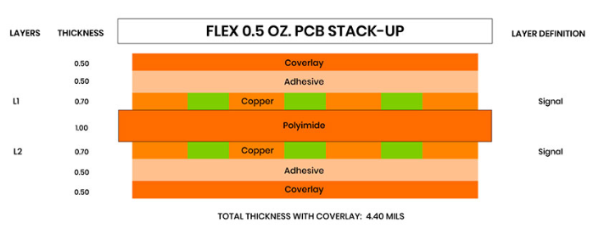
As the electronics industry continues to evolve, the trends in PCB and motherboard technologies are transforming to meet increasing demands for efficiency, miniaturization, and sustainability. One of the prominent trends is the shift towards high-density interconnects (HDI), which allow for greater functionality within smaller spaces. This is particularly relevant in smart devices and wearable technology, where compact design is essential. Additionally, the rise of flexible printed circuit boards (FPCBs) is changing the landscape, offering innovative solutions that allow devices to bend and flex while maintaining a strong electrical connection.
Moreover, advancements in automated pcb assembly (PCBA) processes are streamlining production lines. The integration of artificial intelligence (AI) and machine learning optimizes quality control during production by identifying defects early in the assembly process. Furthermore, sustainability initiatives are driving companies to explore eco-friendly materials for PCBA manufacturing. This not only reduces waste but also addresses consumer demand for greener electronics.
As industries integrate more advanced technologies such as 5G networks and Internet of Things (IoT) devices, pcb assemblies will require faster data transfer capabilities and lower power consumption. The ongoing development in materials science will lead to better thermal management solutions that enhance performance while prolonging the life span of electronic components. These trends underscore the crucial role of PCB and motherboard assemblies in shaping the future of electronics, paving the way for more innovative and efficient devices that align with modern technological needs.
Conclusion
In summary, understanding PCB and motherboard assemblies is essential for anyone involved in the electronics industry. The intricacies of pcb assembly, including the design and selection of components, play a crucial role in determining the overall performance of electronic devices. From the various layouts to the specific materials used in pcba, every detail significantly impacts functionality and reliability. Furthermore, mastering efficient assembly techniques can lead to improved production processes, reducing waste and costs. As technology continues to evolve, staying informed about new trends in pcb innovations will be vital for maintaining a competitive edge in a rapidly changing market. By embracing best practices and continuously addressing common challenges associated with pcb assembly, professionals can achieve not only optimal performance but also prolong the lifespan of their electronic products.
FAQs
What is a PCB assembly (PCBA)?
A PCB assembly, often referred to as PCBA, is the process of soldering electronic components onto a printed circuit board (PCB) to create a functional electronic circuit. This assembly can include everything from simple resistors and capacitors to complex microchips.
What are the main components found in a PCB assembly?
The main components typically found in a PCB assembly include resistors, capacitors, inductors, diodes, and integrated circuits. Each of these components serves distinct functions within the circuit, enabling it to perform its intended tasks effectively.
How does the quality of a PCB affect its performance?
The quality of a PCB directly influences the performance and reliability of the entire electronic device. A well-designed and manufactured PCB can enhance signal integrity, minimize electromagnetic interference, and improve thermal management, all critical for the longevity and effectiveness of electronic devices.
What are common techniques used in PCB assembly?
Common techniques for PCB assembly include surface mount technology (SMT), through-hole technology, and mixed technology. Each method has its advantages depending on factors like component type, size, and application requirements.
How can one ensure optimal performance from PCB assemblies?
To achieve optimal performance from PCB assemblies, consider best practices such as selecting high-quality materials, following stringent design rules, ensuring proper thermal management, and conducting thorough testing throughout the production process.
For more detailed information on these topics or to explore options for your own projects, please click here.