Understanding PCB Assembly Boards for Effective Electronics Manufacturing
Key Takeaways
Understanding PCB assembly is vital for organizations seeking to improve their manufacturing processes. A well-designed PCB assembly board contributes significantly to the overall performance and reliability of the electronic products. By optimizing the design and layout of these boards, manufacturers can streamline the assembly process, thereby enhancing efficiency and reducing production costs. The key components that constitute a PCBA include resistors, capacitors, and integrated circuits, all of which must be carefully chosen and arranged to ensure that they meet specific functionality requirements.
Moreover, effective quality control during the PCB assembly process is essential to uphold product excellence. Implementing rigorous testing methods at various stages of production enables manufacturers to identify defects early on, saving time and resources long-term.
To illustrate these concepts effectively, the following table summarizes essential considerations for a successful PCBA:
| Consideration | Importance |
|---|---|
| Design Layout | Aids in reducing signal interference |
| Component Selection | Ensures reliability and functionality |
| Testing Procedures | Catches defects before final inspection |
“Investing time in thorough design and testing can prevent costly recalls later on.”
In summary, attention to detail in each step of the PCB assembly process, from initial design through final quality checks, ultimately determines the success of electronic devices in today’s competitive market.
Introduction to PCB Assembly Boards
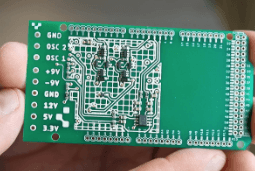
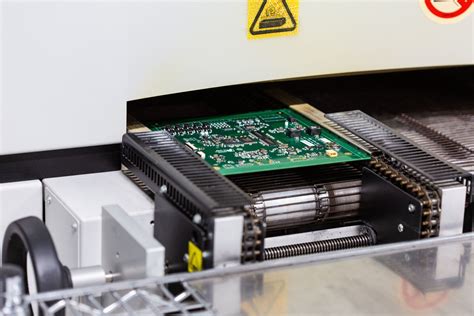
In the realm of electronics manufacturing, PCB assembly boards play an integral role in the creation of reliable and efficient devices. These boards, often referred to as PCBA (Printed Circuit Board Assembly), provide a platform for mounting electronic components, ensuring that all connections flow seamlessly in a compact design. The significance of pcb assembly cannot be overstated; they not only support the electrical pathways required for circuit functionality but also enhance the overall durability and performance of electronic products. Understanding the intricacies of PCB assembly boards is vital for manufacturers aiming to optimize product quality, reduce production costs, and streamline assembly processes. The careful design and construction of these boards dictate how well they will function within various devices, from consumer electronics to industrial applications. As we delve deeper into this topic, we will uncover the essential components that constitute pcb assembly, explore design considerations that influence efficiency, and detail the assembly process that brings these crucial elements together. This foundational understanding is essential for those looking to excel in this competitive field while adhering to increasingly sophisticated technological standards.
Importance of PCB Assembly Boards in Electronics Manufacturing
In the realm of electronics manufacturing, the significance of PCB assembly boards cannot be overstated. These boards serve as the backbone for virtually every electronic device, facilitating the integration of various components and ensuring seamless functionality. By providing a structured platform, pcb assembly boards enable manufacturers to arrange components in a compact and efficient manner, thereby optimizing space and enhancing overall circuit performance. Moreover, the process of assembling these boards—known as PCBA—involves precise techniques that contribute to product reliability. Attention to detail during this phase is crucial, as it directly impacts both the durability and overall quality of the final product. Furthermore, an understanding of the specific requirements for pcb assembly allows manufacturers to tailor their approaches according to the unique needs of different electronic applications, making it easier to innovate while maintaining high production standards. Additionally, as technology advances, so does the need for sophisticated PCB assembly techniques that keep pace with miniaturization and increased functionality in consumer electronics. Ultimately, a thorough grasp of the role that PCB assembly boards play in manufacturing not only boosts operational efficiency but also ensures that electronic products meet consumer expectations in terms of both performance and usability.
Key Components of PCB Assembly Boards
In the realm of electronics manufacturing, understanding the various components of PCB assembly boards is crucial for ensuring optimal performance and reliability. At the heart of any PCBA (Printed Circuit Board Assembly) are the substrates, typically made of materials like fiberglass or epoxy resin, which provide a solid foundation for the assembly. The electronic components themselves, including resistors, capacitors, and integrated circuits, are mounted onto this substrate to create complex circuits. Solder paste plays a vital role in securing these components; it is applied to designated areas on the board prior to component placement, enabling strong electrical and mechanical connections once heated through soldering processes. Furthermore, an important aspect of PCB assembly is ensuring that connectors and vias are strategically placed, as these elements facilitate communication between different sections of the board or between multiple boards in a system. Additionally, various surface mount technology (SMT) and through-hole techniques are employed during assembly to enhance space utilization and performance. Understanding these key components not only aids in achieving high-quality manufacture but also contributes significantly to the efficiency and functionality of electronic devices in diverse applications. Each element works synergistically within the PCBA, underscoring its significance in modern electronic design and production.
Design Considerations for Efficient PCB Assembly
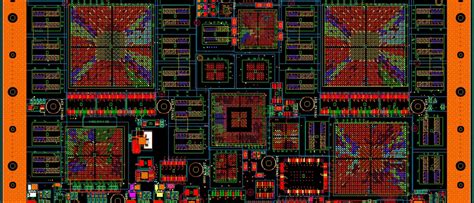
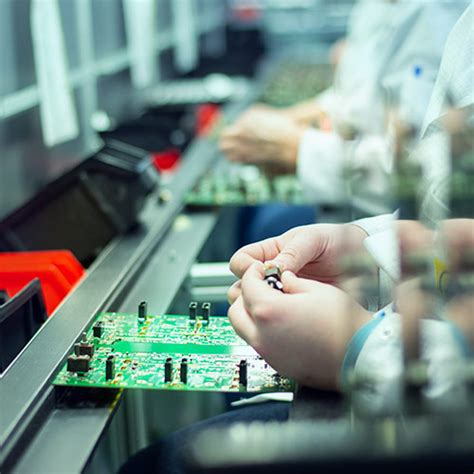
When approaching the design of PCB assembly boards, several crucial factors must be taken into account to ensure both efficiency and effectiveness in the manufacturing process. One vital consideration is the layout of components on the board. A well-structured layout minimizes signal interference and optimizes trace lengths, significantly impacting the performance of the final PCBA. Additionally, designers should consider the thermal management of the assembly; heat dissipation is critical in preventing component failure and maintaining operational efficiency.
Another important aspect is selecting suitable materials for both the substrate and components, as these choices can affect durability and manufacturing costs. The integration of automated assembly techniques also plays a role in designing boards for efficient PCB assembly; designing for automation can help reduce production time and minimize errors. Furthermore, designing with manufacturability in mind—such as including proper hole sizes for component leads and avoiding complex geometries—ensures smoother transitions from design to actual assembly, thereby enhancing overall product quality.
By focusing on these key design considerations, engineers can create PCB assembly boards that not only streamline production processes but also lead to higher quality PCBA, ultimately contributing to successful electronics manufacturing outcomes.
The PCB Assembly Process: Steps and Techniques
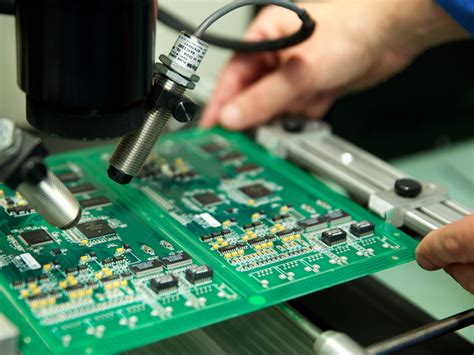
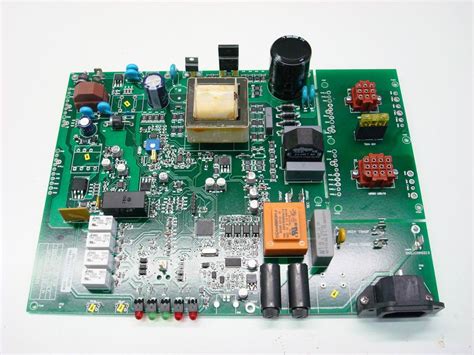
The pcb assembly process, commonly referred to as PCB assembly (PCBA), is a critical phase in electronics manufacturing that involves several organized steps to create a fully functional electronic circuit board. Initially, the journey begins with the careful design of the PCB, where engineers use specialized software to layout the circuit and define the positions of various components. Following this, a struggle for precision arises during the production of PCBs, which often includes etching copper layers onto substrate materials and creating vias for electrical connections.
Once the PCB is fabricated, it moves into the assembly phase. This step involves placing electronic components such as resistors, capacitors, and integrated circuits onto the board. Techniques such as surface mount technology (SMT) or through-hole technology are employed based on design specifications. In SMT, components are placed directly onto the surface of the PCB, allowing for higher density while conserving space; in contrast, through-hole technology involves inserting component leads into holes drilled in the board for a strong mechanical connection.
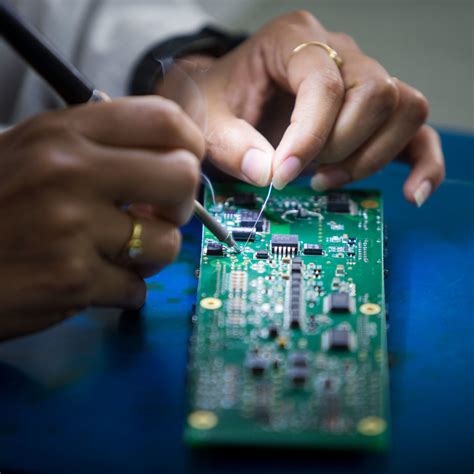
After component placement, it is crucial to ensure that all connections are secure; this is where soldering—a process that involves melting solder to create electrical connections—comes into play. The use of automated soldering techniques, such as reflow soldering for SMT or wave soldering for through-hole components, enhances efficiency and consistency.
To conclude this stage effectively, thorough testing follows to check for any possible defects or issues within the assembly. This not only ensures that each pcba meets strict quality standards but also significantly contributes to minimizing errors and maximizing reliability in end products. As such, understanding each step and utilizing appropriate techniques in the pcb assembly process becomes essential for any electronics manufacturing endeavor aiming for excellence.

Quality Control in PCB Assembly: Ensuring Excellence
Quality control in pcb assembly is a crucial aspect of the electronics manufacturing process, directly influencing the reliability and performance of the final product. Effective quality control measures involve rigorous inspection at various stages of the pcba process, from material selection to the final assembly. Utilizing advanced testing equipment and techniques, manufacturers can identify defects early, ensuring that each component meets industry standards for quality and performance. This proactive approach not only minimizes waste and rework but also enhances overall productivity. Furthermore, implementing standards such as IPC-A-610 allows for consistent evaluation criteria, promoting uniformity in quality across all assemblies. Moreover, fostering a culture of continuous improvement within teams encourages employees to uphold high standards and suggest enhancements to existing processes. With such a focus on quality control in pcb assembly, companies can achieve excellence in their products while building trust with customers who rely on durable and dependable electronic devices.
Challenges in PCB Assembly and Solutions
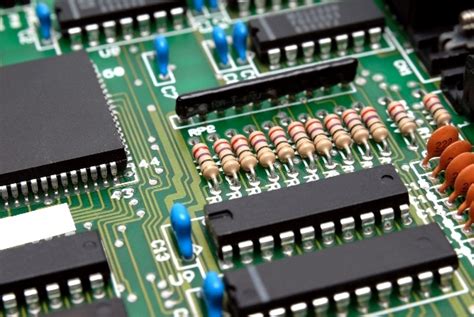
In the world of pcb assembly, there are various challenges that manufacturers frequently encounter, each of which necessitates effective solutions to ensure optimal performance and quality. One of the primary challenges is the complexity of component placement. With modern PCBA designs featuring numerous small components, ensuring accurate positioning is crucial for functionality. Misalignment during assembly can lead to defective products, highlighting the need for precise automated placement technologies and stringent placement verification processes. Additionally, managing thermal issues is increasingly important as boards become denser with components that generate heat. Companies are now investing in advanced thermal management solutions, including the use of specialized materials and optimized layouts to mitigate overheating risks.
Moreover, ensuring reliability in solder joints remains a significant concern, especially with varying soldering techniques across different pcb assembly processes such as wave soldering and reflow soldering. To address this issue, manufacturers are embracing enhanced quality control measures that include detailed inspection processes and robust testing at multiple stages of production. Another challenge lies in maintaining supply chain efficiency amid fluctuating demand for electronic components. Collaborative relationships with suppliers and just-in-time inventory practices are increasingly adopted to enhance flexibility.
Ultimately, addressing these challenges head-on through innovative techniques not only improves efficiency but also elevates product quality in pcba manufacturing, reinforcing the competitiveness of businesses in an evolving market landscape.
Future Trends in PCB Technology and Manufacturing
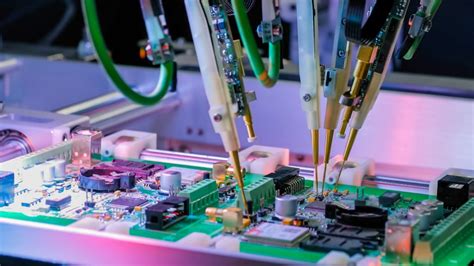
As the electronics industry continues to evolve, pcb assembly technologies are also advancing at a remarkable pace, driven by the demand for smaller, faster, and more efficient devices. One notable trend is the integration of flexible circuits within PCBA designs. This innovation allows manufacturers to create lightweight assembly boards that can fit into compact spaces without sacrificing performance. In addition, the rise of automation in the pcb assembly process is promoting greater efficiency and consistency in manufacturing. Automated systems not only reduce labor costs but also minimize human error during assembly, ensuring that each pcba meets stringent quality standards.
Moreover, advancements in materials used for pcb assembly boards, such as high-frequency laminates and thinner substrates, are enabling better signal integrity and thermal management. This is particularly significant for high-speed applications found in telecommunications and computing. The emergence of sustainable materials is also noteworthy; manufacturers are increasingly looking towards eco-friendly options to reduce environmental impact.
Another key trend is the incorporation of Internet of Things (IoT) features into PCB designs that allow devices to communicate seamlessly with each other. This necessitates a more sophisticated pcb assembly process that accommodates various components like sensors and wireless modules.
Finally, as industries such as automotive and healthcare embrace more complex electronic systems, there will be an increasing need for customization within pcba services. Companies that can adapt their assembly strategies will likely thrive in this rapidly changing market landscape. Collectively, these trends indicate a shift towards enhanced functionality, sustainability, and adaptability in PCB technology and manufacturing practices.
Conclusion
In the realm of electronics manufacturing, the role of pcb assembly or PCBA is instrumental in ensuring product effectiveness and reliability. PCB assembly boards serve as the backbone of electronic devices, enabling the integration of various components such as resistors, capacitors, and integrated circuits. Their design considers factors like thermal management and impedance control to maximize performance. Furthermore, a well-executed pcb assembly process not only enhances manufacturing efficiency but also reduces costs and time-to-market. As industries continue to evolve with advanced technologies, staying abreast of emerging trends in PCB design and assembly is crucial. The shift towards automation and smart technologies in PCBA processes underscores the importance of adopting innovative methodologies to maintain competitive advantage. Ultimately, understanding the intricacies associated with pcb assembly boards is essential for manufacturers aiming to enhance product quality and satisfy customer demands in an increasingly complex market landscape.
FAQs
What is PCB assembly?
PCB assembly, often referred to as PCBA, is the process of soldering electronic components onto a printed circuit board (PCB) to create a functional electronic device. This process is crucial as it influences the performance and reliability of the final product.
Why are PCB assembly boards significant in electronics manufacturing?
PCB assembly boards serve as the foundation for electronic circuits, providing both mechanical support and electrical connectivity for components. Their design and quality significantly impact the efficiency of manufacturing processes and the performance of end products.
What are the key components found on a PCB assembly?
A typical PCBA includes various components such as resistors, capacitors, integrated circuits, and connectors. These elements work together to enable the functionality defined by the electronic device’s design specifications.
How does the design of PCB assembly boards affect production efficiency?
Effective design considerations for PCB assembly boards, such as layout optimization and component placement, can enhance manufacturing speed and reduce errors during production. This leads to improved productivity and lowers costs in electronics manufacturing.
What quality control measures are critical in PCB assembly processes?
Quality control in PCB assembly, including methods like Automated Optical Inspection (AOI) and X-ray inspection, ensures that each assembled board meets strict standards. These measures help detect defects early, ensuring product excellence and reducing returns or failures in the field.
For more insights into how pcb assembly can enhance your electronics projects, please click here: Andwin pcb Assembly