Understanding PCB Sub Assembly: Techniques and Importance
Key Takeaways
In the intricate world of PCB assembly, understanding the fundamentals of pcb sub assembly is crucial for optimizing manufacturing processes. The essence of pcba lies in its ability to streamline production timelines, reduce costs, and enhance product quality. Key aspects of pcb sub assembly involve the integration of various components in a manner that upholds robust functionality and reliability. Contemporary methodologies emphasize precision and efficiency, allowing manufacturers to achieve a high degree of accuracy while assembling printed circuit boards.
Moreover, the significance of pcb sub assembly extends beyond mere production; it plays a vital role in ensuring that end products meet stringent quality standards. A well-executed pcba can lead to enhanced durability and performance in electronic devices, ultimately reflecting positively on brand reputation and customer satisfaction. As these technologies continue to evolve, staying abreast of innovative techniques is essential for maintaining competitiveness within the industry.
“The quality of your pcb assembly will directly affect the overall reliability of your electronic devices.”
By grasping these essential principles and integrating new methodologies into their operations, manufacturers can not only boost efficiency but also address existing challenges within the pcb sub assembly process adeptly. Innovative practices such as automated inspections and using advanced soldering techniques exemplify how modern technology can improve both productivity and accuracy in this vital manufacturing stage.
Introduction to PCB Sub Assembly: Definition and Overview
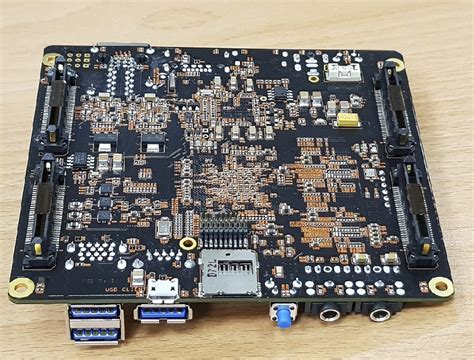
PCB sub assembly is a fundamental aspect of the overall PCB assembly process, representing a critical phase in the manufacturing of electronic devices. Essentially, it involves the integration of various components onto a printed circuit board (PCB) before the complete PCBA is finalized. This stage not only enhances operational efficiency but also ensures that the various sub assemblies can be effectively tested and validated prior to full integration.
Understanding PCB sub assembly requires an appreciation of its significance in reducing overall production time and costs while improving quality control. During this process, essential components such as resistors, capacitors, and integrated circuits are soldered onto the PCB. Each step is vital for ensuring that the integrity of the board remains intact and that all connections function correctly.
To illustrate, consider the following table summarizing key advantages of pcb assembly through sub assembly techniques:
| Advantages of PCB Sub Assembly | Details |
|---|---|
| Time Efficiency | Streamlining production by pre-assembling components. |
| Cost Reduction | Minimizing waste and speeding up manufacturing processes. |
| Quality Assurance | Enhancing product reliability through focused testing before full assembly. |
| Flexibility in Design Changes | Facilitating faster adaptations to changing specifications or customer demands. |
In this context, understanding PCB sub assembly is crucial for manufacturers aiming to deliver high-quality electronic products efficiently. By leveraging advanced techniques within this stage of production, companies can position themselves competitively in a market that increasingly demands both speed and precision in its technology components.
Essential Techniques in PCB Sub Assembly
In the intricate world of electronics, PCB sub assembly plays a pivotal role in the overall performance and reliability of devices. The pcb assembly process involves multiple techniques and methodologies that form the backbone of efficient manufacturing. One fundamental technique is surface mount technology (SMT), which allows components to be mounted directly onto the surface of the printed circuit board, streamlining both assembly and repair. Another widely-used method is through-hole technology, where leads of components are inserted into holes drilled in the PCB, providing stronger mechanical bonds for larger components.
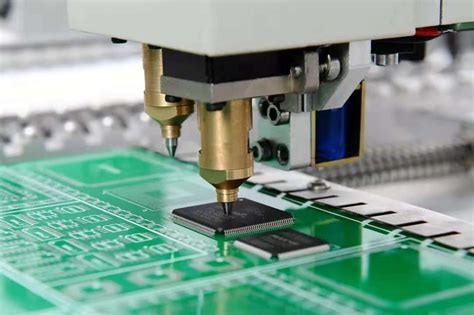
Moreover, an increasing trend toward automation has enhanced efficiency in pcba, reducing human error and increasing accuracy during assembly. Techniques such as pick-and-place machines automate the positioning of components on PCBs, which significantly shortens production times and boosts output. Furthermore, employing lead-free soldering has become essential due to environmental concerns and regulations, ensuring that products meet modern sustainability standards while maintaining high performance.
Additionally, effective organization during the sub assembly process is crucial. Utilizing tools like BOM (Bill of Materials) management helps teams track parts accurately, preventing shortages that could delay production timelines. By combining these techniques with thorough quality checks at each stage, manufacturers can enhance reliability and customer satisfaction—key drivers in today’s competitive market.
In sum, mastering these essential techniques not only boosts productivity but also reinforces the integrity and quality of pcb assembly, ultimately leading to superior end products that meet consumer needs.
Methodologies for Efficient PCB Sub Assembly
Efficient PCB sub assembly processes are critical for enhancing productivity in the electronic manufacturing sector. One effective methodology involves the use of automated assembly techniques, which streamline the placement of components on printed circuit boards (PCBs). Automation minimizes human error and reduces cycle times, making it an essential element in modern pcba operations. Another key methodology is lean manufacturing, which focuses on eliminating waste throughout the sub assembly process. By using tools such as Value Stream Mapping, manufacturers can identify bottlenecks and inefficiencies in their pcb assembly workflows, allowing for targeted improvements.
Furthermore, implementing modular designs can enhance flexibility during the pcb sub assembly phase. By designing components to fit easily into various configurations, manufacturers can adapt to different product requirements without extensive retooling. This adaptability not only saves time but also optimizes resource allocation. Additionally, thorough quality control practices play a vital role in ensuring high standards throughout the pcba process. By integrating real-time monitoring systems and feedback loops, manufacturers can quickly detect issues and maintain quality during assembly.
Overall, a combination of automation, lean principles, modular design, and stringent quality controls contributes to efficient PCB sub assembly methodologies essential for producing high-quality electronic devices while optimizing manufacturing performance.

The Role of PCB Sub Assembly in Electronic Manufacturing
The pcb sub assembly process is a critical component in the electronic manufacturing industry, as it directly influences the overall quality and reliability of the final product. By breaking down complex electronic devices into manageable components, pcba allows manufacturers to efficiently integrate various elements into a cohesive unit. This modular approach not only streamlines production but also enhances troubleshooting and maintenance procedures post-assembly. Furthermore, employing advanced techniques in pcb assembly ensures that components are soldered and positioned with precision, minimizing the risk of defects that can affect performance. As technology continues to evolve, so too do the methodologies surrounding pcb sub assembly, with trends such as automation and smart manufacturing playing a significant role in increasing efficiency and reducing costs. Thus, recognizing the importance of effective pcb assembly is essential for manufacturers aiming to remain competitive in a fast-paced industry where quality cannot be compromised.
Enhancing Quality through Effective PCB Sub Assembly Practices
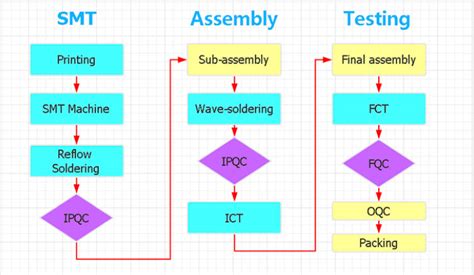
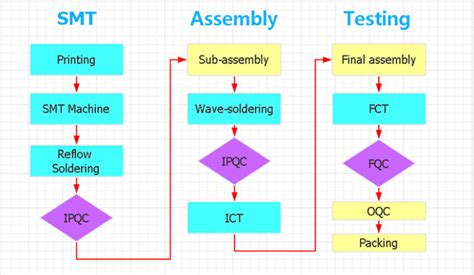
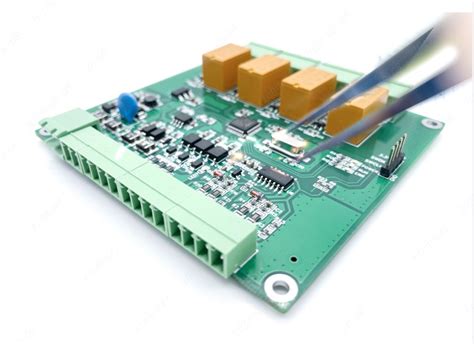
In the realm of electronics manufacturing, PCB sub assembly plays a pivotal role in ensuring the overall quality and reliability of products. This integral phase involves the assembly of various components onto a printed circuit board (PCB), which is crucial for establishing secure connections and functionality in electronic devices. Implementing effective PCB sub assembly practices can dramatically influence the final outcome, leading to improved performance and durability. Techniques such as automated soldering and surface mount technology (SMT) enhance precision during assembly, thereby reducing potential errors. Moreover, rigorous testing methodologies, including in-circuit testing and functional testing, are essential to verify that each PCBA meets stringent quality standards before proceeding to final assembly. By prioritizing these practices, manufacturers can not only optimize their production processes but also ensure that their products exhibit exceptional quality. Investing in training for personnel involved in pcb assembly procedures can also lead to increased efficiency and a lower occurrence of defects, further solidifying the importance of having a well-structured approach to pcba production. Thus, embracing these techniques allows for the comprehensive enhancement of product quality and longevity in today’s competitive market.
Challenges in PCB Sub Assembly and Solutions
The process of PCB assembly is fraught with various challenges that can impact the final product’s quality and performance. One of the primary issues is the complexity of designs; as electronic devices become more intricate, assembling a printed circuit board (PCB) becomes increasingly difficult. This complexity can lead to mistakes such as misplaced components or incorrect soldering, which ultimately affect the functionality of the device. Additionally, variations in material quality can pose significant challenges; using inferior materials can lead to reliability issues, causing failures in critical environments. To address these concerns, manufacturers are now turning towards advanced automation technologies and implementing rigorous quality control measures throughout the PCBA process. Automation not only minimizes human error but also ensures a more consistent application of solder and placement of components, enhancing overall efficiency. Furthermore, employing reliable suppliers for components can mitigate risks related to material quality, helping to ensure that all elements meet stringent standards before assembly begins. By tackling these challenges head-on with effective solutions, businesses can significantly improve their production outcomes and maintain high standards in their electronic manufacturing processes.
Future Trends in PCB Sub Assembly Techniques
As technology continues to advance, PCB sub assembly techniques are also evolving to meet the demands of modern electronics. One notable trend is the increased use of automation in pcba processes. Automation not only enhances precision but also increases production speed, reducing time-to-market for new electronic devices. Additionally, there is a growing emphasis on modular assembly techniques, which allow for flexibility and scalability in production. This modularity enables manufacturers to quickly adapt to changing market needs while ensuring that the quality of each pcb assembly remains consistent.
Moreover, advancements in machine learning and artificial intelligence are poised to revolutionize quality control within pcb sub assembly. These technologies can predict potential defects by analyzing data from previous manufacturing runs, allowing for preemptive adjustments that optimize overall performance. Sustainability is another key focus; manufacturers are increasingly incorporating eco-friendly materials and practices into pcba processes to minimize environmental impact.
As we look ahead, integrating these innovative trends will not only enhance efficiency and productivity but also play a crucial role in maintaining high-quality standards essential for today’s sophisticated electronic devices. The future of pcb sub assembly promises exciting developments that will streamline production while addressing the evolving needs of the industry.
Case Studies: Success Stories in PCB Sub Assembly
Examining real-world scenarios can provide valuable insights into the efficacy of PCB sub assembly processes. Many companies have successfully leveraged innovative techniques and efficient methodologies to enhance their PCB assembly operations, leading to significant improvements in their overall productivity and product quality. For instance, a notable success story comes from a leading manufacturer of consumer electronics, which adopted a streamlined process for its PCBA workflow. By implementing automated soldering techniques and investing in precise quality control measures, the manufacturer not only minimized production time but also reduced the rate of defects in their electronic devices. Another exemplary case involves a major automotive component supplier that integrated advanced pcb sub assembly practices. This approach allowed them to achieve tighter tolerances and greater reliability in their components, ultimately boosting customer satisfaction and market competitiveness. These examples underscore the importance of employing robust pcb assembly techniques and a commitment to constant improvement, showcasing how strategic investments can lead to remarkable outcomes in electronic manufacturing. As these case studies illustrate, businesses that prioritize effective PCB sub assembly practices are better positioned to thrive in today’s dynamic market environment.
Conclusion
In summary, PCB sub assembly plays a pivotal role in the broader PCB assembly process, driving both efficiency and quality in electronic manufacturing. By implementing various techniques and methodologies for effective PCBA, manufacturers can significantly enhance operational processes. This includes adopting streamlined workflows which minimize errors and maximize productivity. Furthermore, the emphasis on quality control within PCB sub assembly ensures that each component meets rigorous standards, ultimately contributing to the reliability and performance of the final electronic device. As technology advances, the future of PCBA will likely see further innovations that address existing challenges and optimize assembly processes, solidifying its importance in the ever-evolving landscape of electronics manufacturing. Embracing these techniques not only benefits producers but also assures consumers of superior products that stand up to the demands of modern usage.
FAQs
What is PCB sub assembly?
PCB sub assembly refers to the process of assembling specific components onto a Printed Circuit Board (PCB) before integrating it into a larger electronic device. This stage often involves the pcba process, where components are soldered onto the board, creating modules that enhance manufacturing efficiency.
Why is PCB sub assembly important in electronic manufacturing?
The significance of pcb assembly lies in its ability to streamline production, thus reducing the time and costs associated with manufacturing electronic devices. By allowing multiple components to be formed into a single unit, manufacturers can achieve higher levels of quality and reliability in their final products.
What are some key techniques used in PCB sub assembly?
Key techniques include surface mount technology (SMT), through-hole technology, and automated optical inspection (AOI). Each technique has its benefits, such as SMT’s efficiency in creating compact designs and through-hole’s robustness for high-durability applications.
What challenges might arise during PCB sub assembly?
Common challenges include managing component tolerances, ensuring proper soldering techniques, and addressing issues related to testing for quality assurance. Effective planning and methodology can help mitigate these challenges.
How does enhanced quality affect PCB sub assembly practices?
Improving quality directly impacts the longevity and reliability of electronic devices. By implementing stringent quality control measures during the pcba, manufacturers can prevent defects that could lead to device failures in critical applications.