Understanding SMT PCBA Technology and Its Applications
Key Takeaways
The landscape of SMT PCBA (Surface Mount Technology Printed Circuit Board Assembly) is pivotal in the evolution of electronics production, marking a significant advancement over traditional soldering techniques. By utilizing advanced processes, pcb assembly through SMT integrates components directly onto the surface of PCB boards, resulting in a more efficient and reliable method of manufacturing. This technology not only accelerates production times but also enhances the density of components on a single board, paving the way for more compact and powerful electronic devices.
The advantages of PCBA extend beyond just speed; it plays a crucial role in improving quality control within manufacturing. As the process minimizes human error—through automation and precise machinery—product consistency is significantly enhanced. Industries ranging from consumer electronics to automotive applications benefit from these efficiencies, as SMT PCBA technology supports higher production rates without compromising on quality.
Moreover, the introduction of SMT techniques is revolutionizing how products are designed and assembled, fostering innovation across various sectors. As technologies continue to advance, understanding and leveraging the capabilities of SMT PCBA will be essential for businesses aiming to enhance both manufacturing efficiency and product reliability.
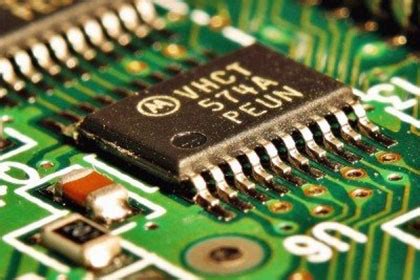
Introduction to SMT PCBA Technology
Surface Mount Technology (SMT) has become a cornerstone of modern electronics, playing a pivotal role in PCB assembly – a process that involves placing electrical components onto the surface of printed circuit boards (PCBs). The integration of SMT PCBA, or Surface Mount Technology Printed Circuit Board Assembly, enhances the efficiency and effectiveness of manufacturing processes. In contrast to traditional through-hole technology, which requires drilling holes into the PCB, SMT allows for a more compact design where components are mounted directly onto the surface. This shift not only reduces the size and weight of electronic devices but also improves performance due to shorter electrical paths.
One major technology component is the automated assembly line, which dramatically accelerates production rates and minimizes manual errors. The reduction in soldering requirements and streamlined assembly contribute to lower overall costs. Furthermore, the use of SMT on PCBA systems allows for increased component density on boards, fostering innovation in device miniaturization without sacrificing functionality.
“The adoption of SMT PCBA has set new standards for reliability and precision in electronic manufacturing,” according to industry experts.
With diverse applications ranging from smartphones to automotive electronics, the significance of this technology cannot be overstated. It provides manufacturers with flexibility in design while adhering to strict quality controls essential for producing reliable products that meet market demands. As industries continue to evolve, embracing this technology will be key to maintaining competitive advantages through enhanced efficiency and superior product quality.
Key Processes Involved in SMT PCBA
The pcb assembly process utilizing Surface Mount Technology (SMT) involves several critical procedures that contribute to the efficiency and reliability of PCBA (Printed Circuit Board Assembly). The journey begins with the design phase, where engineers create detailed layouts for electronic circuits, specifically using electronic design automation (EDA) tools. Once the designs are finalized, the process transitions to material preparation, where the necessary components, including resistors, capacitors, and integrated circuits, are selected and supplied.
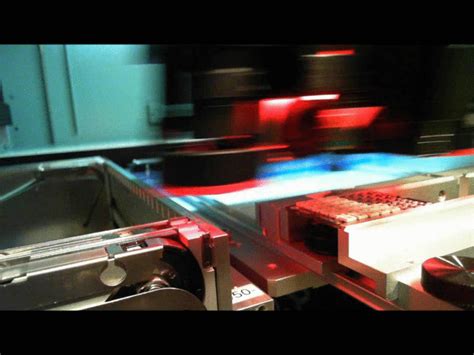
Next comes the printing of solder paste onto the pcb assembly. This step is vital as it ensures that solder will be applied precisely where components will be placed. Automated stencil printers are commonly used to achieve a consistent application of solder paste across multiple boards. Following this is the placement stage, where pick-and-place machines accurately position surface mount components onto the paste-covered boards.
An essential part of this process is reflow soldering. Once all components are placed accurately, they are heated in a reflow oven. The defined thermal profile ensures that the solder paste melts and creates reliable electrical connections between components and pads on the PCB, forming a solid bond as it cools down.
Lastly, inspection is critical to ensure high quality in PCBA production. Automated Optical Inspection (AOI) systems frequently follow reflow processes to detect any defects or misalignments in component placements prior to final assembly. By integrating these meticulously coordinated processes—designing, printing, placing, soldering, and inspecting—SMT PCBA technology plays a pivotal role in enhancing both manufacturing efficiency and product reliability across various sectors.
| Process | Description |
|---|---|
| Design | Creation of detailed circuit layouts using EDA tools |
| Material Preparation | Selection and supply of electronic components |
| Solder Paste Printing | Application of solder paste on PCB using automated printers |
| Component Placement | Precise positioning of surface mount components by machines |
| Reflow Soldering | Heating process that creates electrical connections |
| Inspection | Quality checks using AOI systems for defect detection |
Through these interconnected stages, SMT PCBA not only streamlines production but also ensures that electronic assemblies meet stringent performance standards.
Advantages of SMT PCB Assembly
The advantages of SMT PCB assembly are numerous, making it a preferred choice in the electronics manufacturing sector. One of the primary benefits is increased circuit density. By allowing components to be mounted directly onto the surface of a PCB, manufacturers can create compact designs that support a higher number of components in smaller footprints. This compactness not only saves space but also contributes to reducing the weight of the final product, which is particularly beneficial in portable devices. Another significant advantage is the enhanced reliability associated with SMT components, which typically have fewer mechanical connections than their through-hole counterparts. This reduction in solder joint count minimizes potential points of failure. Moreover, SMT PCBA processes allow for automated assembly techniques, leading to improved production efficiency and consistency while simultaneously lowering labor costs. The high-speed placement capability offered by modern machines further accelerates production timelines, enabling quicker time-to-market for new products. Additionally, manufacturers can benefit from better thermal performance as surface-mounted components generally dissipate heat more effectively than traditional through-hole elements. Overall, adopting SMT PCBA technology results in higher quality and more reliable electronic products across diverse industries, facilitating innovation and advancement in technology deployment.
Applications of SMT PCBA in Various Industries
Surface Mount Technology (SMT) PCB assembly (PCBA) has transformed the landscape of electronic manufacturing, finding applications across a myriad of industries. In the automotive sector, SMT PCBA is crucial for the development of advanced driver-assistance systems (ADAS), where reliability and precision are paramount. Similarly, in the consumer electronics field, devices such as smartphones and laptops extensively incorporate SMT techniques to achieve compact designs and high-performance components. The medical industry also benefits significantly from SMT PCBA, as it enables the creation of sophisticated diagnostic equipment and wearable health monitors that require stringent compliance with safety standards. Moreover, in the realm of telecommunications, SMT PCBA facilitates the high-density packaging needed for devices that support modern communication protocols. Overall, these applications illustrate how smt pcba plays an indispensable role in driving inovação and enhancing product functionality across diverse sectors. As businesses continue to adopt these technologies, the synergy between pcb assembly techniques and industry demands is likely to grow stronger, paving the way for future advancements.
The Impact of SMT PCBA on Manufacturing Efficiency
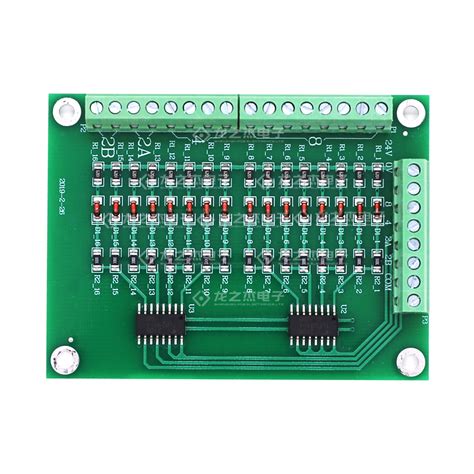
The implementation of SMT PCBA (Surface Mount Technology Printed Circuit Board Assembly) has profoundly transformed manufacturing efficiency across various sectors. By employing pcb assembly techniques, manufacturers are able to achieve higher precision and speed in the production of electronic devices. The SMT process minimizes the need for manual handling, reducing labor costs and the potential for human error. Furthermore, this technology allows for the integration of smaller and more complex components on a single board, which not only streamlines the assembly process but also enhances overall space utilization in product designs. With reduced cycle times for pcba, companies can swiftly respond to market demands and accelerate time-to-market for new products. Additionally, automation within SMT lines plays a pivotal role in maintaining consistency and quality throughout production runs, thereby increasing output without compromising on reliability. As businesses continue to seek efficiency improvements, the adoption of SMT PCBA not only meets these goals but also lays a foundation for future innovations in electronic manufacturing processes.
Enhancing Product Reliability through SMT Techniques
The integration of Surface Mount Technology (SMT) in pcb assembly processes significantly enhances product reliability. One of the core advantages of SMT is its ability to establish a secure and robust connection between the electronic components and the printed circuit boards (PCBs). Through the use of advanced soldering techniques, including reflow soldering and wave soldering, SMT ensures that connections are not only electrically effective but also mechanically stable under various environmental conditions. This stability is crucial, especially in applications where electronic devices are subjected to thermal cycling, vibration, or shock. The compact nature of SMT PCBA allows for denser component placement, minimizing empty spaces that could allow moisture or contaminants to accumulate. Furthermore, the reduced size and weight of assembled products lead to enhancements in overall durability and performance, countless advantages which have made SMT technology a pivotal element in modern electronics manufacturing. With tighter tolerances and superior quality control measures in place, products manufactured using PCBA techniques show lower field failure rates and improved long-term reliability, making them ideal for use in high-stakes industries such as aerospace, medical devices, and automotive electronics. Overall, the adoption of SMT methodologies is not merely a trend but represents a transformation in how reliability is prioritized in electronic design and manufacturing.
Future Trends in SMT PCBA Technology
As the landscape of electronics continues to evolve, the future of SMT PCBA technology appears promising and dynamic. One major trend is the ongoing integration of automation and artificial intelligence in pcb assembly processes. This shift not only streamlines production but also enhances accuracy by minimizing human error, thus significantly boosting efficiency. Additionally, advances in pcba design software are enabling more complex and miniaturized circuit layouts, which are crucial for meeting the demands of modern devices that require compact yet powerful components.
Another noteworthy trend is the increasing emphasis on sustainability in manufacturing practices. Companies are moving towards eco-friendly materials and processes that reduce environmental impact while maintaining high performance standards in pcb assembly and pcba production. This focus on sustainability is driving innovation in materials science, leading to the availability of biodegradable substrates and lead-free soldering techniques.
Furthermore, as industries demand more connectivity, the emergence of Internet of Things (IoT) devices is pushing SMT PCBA technology to new heights. The ability to integrate RF components seamlessly with traditional circuit designs is becoming crucial for creating smart devices that can communicate effectively over networks.
Finally, as consumer expectations for product performance and reliability continue to rise, manufacturers are investing more heavily in quality control measures during the pcb assembly process. Techniques such as advanced testing protocols and real-time monitoring systems during production are likely to become standard practices, ensuring that each unit produced meets stringent quality standards.
In summary, these emerging trends not only reflect a shift towards greater efficiency and sustainability but also illustrate how SMT PCBA technology continues to adapt to meet the ever-changing needs of various industries.
Conclusion
In summary, SMT PCBA technology represents a transformative force in the landscape of modern electronics and manufacturing. By emphasizing the principles of pcb assembly, this approach optimizes the assembly process through the use of surface mount technology, which allows for smaller and more efficient components to be placed directly onto printed circuit boards. As industries strive for enhanced performance and reduced costs, pcba becomes integral in achieving these goals. Moreover, the significance of SMT PCBA is evident in its far-reaching applications across various sectors, including telecommunications, consumer electronics, and automotive industries. The synergy between advanced manufacturing techniques and SMT PCBA not only bolsters manufacturing efficiency but also elevates product reliability. This interplay is crucial as it encourages innovation while addressing the ever-increasing demands for quality and speed in production. As we look toward the future, it is clear that SMT techniques will continue to evolve, driving further advancements within pcb assembly practices and reinforcing their essential role in shaping a more connected and technology-driven world.
FAQs
What is SMT PCBA technology?
SMT PCBA (Surface Mount Technology for Printed Circuit Board Assembly) refers to the process of soldering electronic components directly onto the surface of a printed circuit board, allowing for a more compact design and increased production speeds.
What are the key benefits of using SMT in PCB assembly?
The primary advantages include improved reliability, reduced manufacturing costs, and enhanced performance. The ability to place components more densely leads to smaller device sizes and lighter weights.
In which industries is SMT PCBA commonly used?
It finds widespread application in various sectors including consumer electronics, automotive, telecommunications, and medical devices. Each industry benefits from the technology’s ability to produce high-quality and durable electronic products.
How does SMT technology enhance manufacturing efficiency?
By automating many assembly processes, SMT PCB assembly minimizes human error and speeds up production lines. This translates into shorter lead times and higher throughput, ultimately boosting overall efficiency.
Can you explain how SMT improves product reliability?
Through its advanced soldering techniques and the utilization of surface-mounted components, SMT PCBA reduces stress on connections. This contributes to lower failure rates, ensuring that products perform reliably under various conditions.
For more detailed insights into PCB assembly, please visit this link.