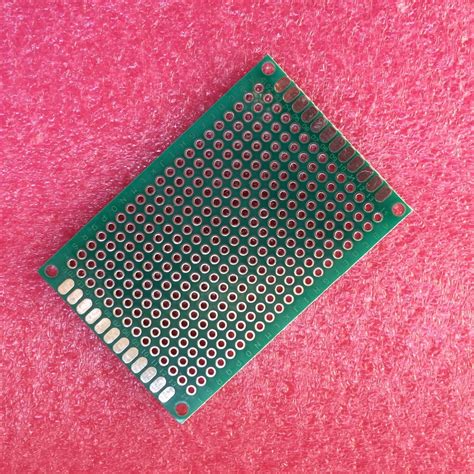
Unleashing Innovation: Your Guide to 6 Layer PCB Prototypes
Understanding 6 Layer PCB Prototypes: An Introduction
When diving into the realm of 6 layer PCB prototypes, it is essential to recognize their significance in the broader spectrum of PCB manufacturing. As technology continues to evolve, 6 layer PCBs emerge as a hallmark of advanced electronic design, allowing for greater functionality in a compact form. This design complexity often translates into increased demand from various industries, ultimately making the selection of the right PCB manufacturing companies a critical step for your projects.
Creating a 6 layer prototype not only provides ample space for routing and grounding but also addresses issues like signal integrity and electromagnetic interference. However, one must consider the PCB manufacturing cost associated with producing these sophisticated boards. Typically, while they may incur a higher upfront expense compared to simpler designs, their enhanced performance and reliability can lead to cost savings in the long run.
“Investing in quality PCB prototypes enables you to innovate without compromising on performance.”
Understanding these nuances helps you make informed decisions that align with your project’s goals. Additionally, as you explore options among various PCB manufacturing businesses, prioritizing those with experience in multi-layered designs will ensure that your prototypes meet industry standards and expectations.
In summary, grasping the essentials of 6 layer PCB prototypes not only amplifies your potential for innovation but also prepares you for a future where complexity becomes an integral part of successful electronic solutions.
Benefits of Using 6 Layer PCBs in Modern Electronics
In today’s rapidly evolving electronic landscape, 6 layer PCBs offer numerous advantages that make them a preferred choice for engineers and designers. One primary benefit is the enhanced signal integrity they provide. By enabling multiple layers for different signals and power pathways, you minimize interference and ensure reliable performance. Additionally, with a well-planned layer stack-up, you can achieve better thermal management, crucial in high-performance applications.
Another significant aspect is the compact design of multi-layer boards, which allows for more complexity without increasing the overall size of the device. This is particularly important in consumer electronics, where space-saving designs are vital. The improved component density leads to reduced PCB manufacturing costs, a crucial factor to consider when evaluating different PCB manufacturing companies.
Furthermore, utilizing a 6 layer PCB prototype can accelerate the product development cycle due to fewer manufacturing steps compared to traditional dual-sided boards. This efficiency not only helps in reducing lead times but also allows for more iterations in the design phase without excessive cost implications.
The table below highlights some key benefits of 6 layer PCBs:
| Benefit | Description |
|---|---|
| Enhanced Signal Integrity | Reduces interference between signals enabling reliable performance. |
| Space Efficiency | Accommodates a greater number of components within a smaller footprint. |
| Better Thermal Management | Improved heat dissipation through optimized layer arrangements. |
| Cost-Effectiveness | Reduces overall manufacturing costs due to fewer required steps. |
By leveraging these advantages, you can position your products competitively within the market while ensuring higher quality and reliability.
In conclusion, employing 6 layer PCBs in your projects not only fosters innovation but also aligns with modern demands for efficiency and functionality in electronics design. As you delve into your pcb manufacturing business, consider these benefits carefully to enhance both product performance and market reach. For more insights into PCB solutions, visit Andwin PCB.
Design Considerations for 6 Layer PCB Prototypes
When venturing into 6 layer PCB prototypes, it’s crucial to grasp the various design considerations that come into play. The complexity of these prototypes allows for higher functionality, but this means you need to understand how to design effectively. Begin by considering the layer stack-up, as an efficient arrangement is paramount to managing signal integrity and thermal performance. You’ll want to pay attention to your trace width and spacing, as these factors significantly impact the pcb manufacturing cost.
Selecting a reliable pcb manufacturing company will also influence your success. Different companies may offer varying levels of service, materials, and expertise, which can affect not only the quality but also the overall timeline of your project. As you design your prototype, make sure to collaborate closely with your chosen manufacturer; their insights can help avoid common pitfalls that could increase costs or complicate production.
Moreover, consider the power distribution network (PDN) when laying out a 6 layer PCB. A well-designed PDN is essential for maintaining robust performance in high-frequency applications. Additionally, ensure that your design accommodates for thermal vias and appropriate ground planes.
The right decisions during these early stages may drastically reduce setbacks in the pcb manufacturing business, enhancing your product’s reliability and market readiness. By addressing these key aspects of design, you can position your project for greater success while optimizing costs along the way.
Industry Applications of 6 Layer PCBs
The versatility of 6 layer PCBs has made them a cornerstone in various industries, driving innovation and enhancing product functionality. In the realm of consumer electronics, these PCBs are commonly found in smartphones and tablets, where their compact design allows for the integration of multiple features, including high-resolution displays and advanced connectivity options. Moreover, in the automotive sector, 6 layer PCB prototypes facilitate the application of complex functionalities such as driver assistance systems and infotainment controls, which are paramount for modern vehicles. Additionally, this technology finds significant use in medical devices, where reliability and precision are critical; here, pcb manufacturing companies leverage 6 layer designs for equipment that demands stringent quality standards. Furthermore, industries focused on telecommunications also benefit from these prototypes, as they support high-speed data transmission essential for today’s communication networks. When considering pcb manufacturing costs, opting for 6 layer PCBs may present a higher initial expense compared to simpler designs; however, their enhanced performance and capability to host more components lead to greater long-term value. Thus, engaging in the pcb manufacturing business with a focus on 6 layer prototypes not only meets current market demands but also positions you competitively for future advancements in technology.
Best Practices for Designing Effective 6 Layer PCBs
When engaging in pcb manufacturing, it’s essential to adopt best practices to ensure the success of your 6 layer PCB prototypes. Start by understanding the layer stack-up in a way that optimizes signal integrity and minimizes electromagnetic interference; this can significantly enhance the overall performance of your product. Utilize software tools that facilitate pcb design, allowing you to visualize potential issues before physical prototyping.
Collaboration with reputable pcb manufacturing companies is also vital. They can provide insights into the latest technologies and methods, helping you refine your design for efficiency and cost-effectiveness. Remember that while pcb manufacturing cost may influence decisions, compromising on quality can lead to costly revisions down the line.
Design for manufacturability (DFM) should be a priority in your approach. Incorporating features like adequate spacing between traces and appropriate pad sizes ensures that your 6 layer PCBs are easier to fabricate and test, reducing the risk associated with a manufacturing business. Moreover, it’s critical to document everything meticulously; this transparency not only aids communication with your pcb manufacturing partners but also minimizes errors during production.
By following these best practices, you can unleash the potential of your 6 layer PCB prototypes, paving the way for innovative products in today’s competitive landscape.
Troubleshooting Common Issues in 6 Layer PCB Prototyping
In the realm of 6 layer PCB prototyping, encountering common issues is often a part of the journey. A primary concern may arise during the pcb manufacturing process. Defects such as short circuits or open connections can occur due to inadequate design practices or flaws in the materials used. To address these challenges, consider collaborating with reputable pcb manufacturing companies that prioritize quality control and offer enhanced support. Another area you might want to focus on is the pcb manufacturing cost, which can fluctuate based on complexity and volume. Understanding the financial implications will help you manage your budget more effectively while ensuring that you do not compromise on quality. If a problem persists, revisiting your design files before sending them for production can save time and resources in the long run. By integrating best practices and utilizing advanced tools, you can reduce errors significantly in your pcb manufacturing business, driving both efficiency and innovation in your designs. Remember, maintaining clear communication with your production team is essential for troubleshooting errors as they develop, ensuring that your prototypes meet high standards from inception to finish.
Future Trends in PCB Design: Embracing Complexity
As you delve into the realm of 6 layer PCB prototypes, it’s essential to recognize the pivotal role that pcb manufacturing plays in the evolution of modern electronics. The complexity of today’s devices necessitates advanced designs that can accommodate multiple functionalities—this is where 6 layers come into play. With increasing demands for miniaturization and enhanced performance, pcb manufacturing companies are stepping up their game by employing cutting-edge technologies that enhance signal integrity and thermal management. By understanding the nuances of pcb manufacturing cost, you can better evaluate the value these complex boards bring to your projects. As you engage with different pcb manufacturing businesses, consider how their capabilities align with your design specifications. The future lies in embracing this complexity, enabling innovative applications across industries—from telecommunications to consumer electronics. You will find that leveraging these developments not only improves product performance but also amplifies your competitive edge in an ever-evolving market landscape.
Conclusion
In your journey to embrace 6 layer PCB prototypes, it’s essential to recognize the multifaceted nature of pcb manufacturing. This process not only involves sophisticated technology but also a thorough understanding of the pcb manufacturing cost landscape. When you engage with reputable pcb manufacturing companies, you gain access to valuable insights that can significantly affect your design strategies and overall product performance. The success of your pcb manufacturing business hinges on effective design considerations, industry knowledge, and an awareness of emerging trends. By leveraging these aspects, you can enhance your products’ functionality while maintaining cost-effectiveness. As you further explore the world of 6 layer PCBs, remember that integrating best practices in design and understanding the dynamics of the PCB market will be crucial for fostering innovation in your electronics projects.
FAQs
What is a 6 layer PCB prototype?
A 6 layer PCB prototype is a printed circuit board that has six layers of conductive material, allowing for a more complex and compact design. This configuration enhances performance and allows for greater efficiency in your electronic devices.
What are the benefits of using 6 layer PCBs?
Utilizing 6 layer PCBs offers numerous advantages, including improved signal integrity, reduced electromagnetic interference, and better thermal management. These benefits are crucial in modern electronics where space and efficiency are paramount.
How does the design process differ for 6 layer PCBs?
The design process for 6 layer PCBs requires meticulous planning to accommodate multiple layers. You’ll need to consider proper signal routing, thermal management, and the arrangement of components to optimize the board’s functionality while managing overall PCB manufacturing costs effectively.
Which industries commonly use 6 layer PCBs?
Various sectors such as telecommunications, automotive, consumer electronics, and medical devices leverage 6 layer PCBs to meet their complex requirements. These industries rely on specific design intricacies that only multi-layer boards can provide.
What should I consider when choosing PCB manufacturing companies?
When selecting among PCB manufacturing companies, prioritize their experience with multi-layer designs, quality assurance processes, and delivery timelines. This ensures that your prototype will meet all specifications without unnecessary delays.
How do I estimate the cost of PCB manufacturing?
Estimating the PCB manufacturing cost involves assessing factors such as material selection, complexity of design (like using 6 layers), production volume, and any customization requirements. It’s important to consult with manufacturers to get precise quotes tailored to your specific needs.
For further insights on how you can unleash your potential in PCB manufacturing, please click here: Andwin PCB Manufacturing.