Unlocking Innovation: Affordable PCB Assembly Solutions
Key Takeaways
In the dynamic landscape of modern electronics, the significance of cost-effective PCB assembly cannot be overstated. As technology accelerates, manufacturers constantly seek ways to enhance their product offerings while managing expenses. Utilizing cheap PCB assembly methods can serve as a robust strategy that not only lowers costs but also fuels innovation in design and functionality. Employing innovative techniques, such as advanced automation and streamlined processes, can drive down costs associated with PCBA while maintaining the integrity and performance of components. Key strategies for maximizing efficiency in PCB production include optimizing layouts, reducing material waste, and taking advantage of bulk purchasing options for components. However, it’s crucial to strike a balance between quality and cost; choosing materials that are both affordable and reliable is essential for sustaining competitive advantages in the market. Moreover, selecting the right PCB assembly provider who understands your specific needs can further enhance both productivity and innovation. By recognizing common pitfalls in budget PCB manufacturing—such as compromising on quality or neglecting thorough testing—companies can navigate potential setbacks effectively. Ultimately, embracing trends that prioritize affordability alongside technological advancements will shape the future of PCB assembly, rendering high-quality products accessible to a broader audience and fostering a culture of continuous improvement in electronics.
The Importance of Cost-Effective PCB Assembly in Modern Electronics
In today’s fast-paced electronics industry, cost-effective PCB assembly is crucial for fostering innovation and ensuring competitiveness. As companies strive to bring their products to market swiftly, balancing quality and affordability in PCBA processes becomes paramount. By adopting cheap PCB assembly techniques, manufacturers can significantly reduce production costs without sacrificing quality. This approach not only speeds up the development cycle but also makes it feasible for startups and small businesses to enter the market.
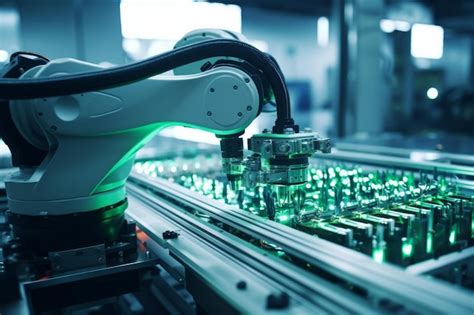
When implementing cost-effective strategies in PCB assembly, it is vital to focus on optimizing resources, such as labor and materials. Techniques such as using standardized components or implementing automated assembly lines can lead to remarkable savings. The following table illustrates some of these strategies:
| Strategy | Description |
|---|---|
| Standardization | Using common components across various designs to reduce costs |
| Automation | Implementing machinery for repetitive tasks, minimizing human error |
| Bulk Purchasing | Buying components in bulk to benefit from discounts |
| Lean Manufacturing | Streamlining processes to eliminate waste and enhance efficiency |
By strategically designing their production processes, businesses can leverage these methods for higher yield rates and lower operational costs. In summary, cost-effective PCB assembly is not just about saving money; it is about creating a sustainable model that enables continuous innovation in electronics. Thus, investing in affordable PCB assembly solutions can serve as a catalyst for breakthroughs and advancements across the industry.
Innovative Techniques for Cheap PCB Assembly
In today’s fast-paced electronics industry, achieving cost-effective pcb assembly while maintaining high standards of quality is paramount. Innovative techniques such as automated assembly processes, advanced soldering technologies, and the application of lean manufacturing principles are paving the way for significant reductions in production costs. One noteworthy approach is the use of surface-mount technology (SMT), which not only minimizes the amount of solder required but also enhances processing speeds and efficiency. Additionally, leveraging design for manufacturability (DFM) can lead to optimized layouts that reduce material usage and improve overall performance.
“Always aim for simplicity in design; the more complex it is, the more you pay.”
By designing circuits with fewer components and opting for integrated solutions, manufacturers can significantly lower costs associated with both parts and labor in their pcba processes. Furthermore, pairing these techniques with local sourcing strategies can help decrease shipping expenses and support quicker turnaround times.
As companies continue to seek affordable pcb assembly solutions, understanding these innovative methods becomes essential not only for reducing costs but also for fostering a culture of continuous improvement in electronics production. Emphasizing efficiency while staying committed to quality standards ensures that businesses can remain competitive without sacrificing product integrity.
Maximizing Efficiency: Strategies for Affordable PCB Production
Achieving efficiency in pcb assembly is crucial for making production processes more cost-effective while maintaining high standards of quality. One strategy involves streamlining the design phase by utilizing advanced design software that optimizes layout and minimizes errors, thus reducing material waste. Employing pcba prototypes can aid in identifying potential issues early, which helps in refining designs before full-scale production begins. Another effective approach is to implement automation in the assembly line; automated machines can increase precision and speed, thus reducing labor costs significantly. Moreover, collaborating closely with suppliers to negotiate bulk purchasing of components can lead to significant savings, allowing businesses to leverage economies of scale. Creating a detailed workflow that emphasizes lean manufacturing principles not only enhances productivity but also reduces unnecessary expenditures related to overproduction or excess inventory. By cultivating a culture of continuous improvement and regularly assessing production processes, manufacturers can identify inefficiencies and adapt quickly, ensuring that their pcb assembly operations remain both affordable and aligned with industry standards. In summary, the path to affordable pcba solutions lies in integrating innovative technologies and streamlined workflows while maintaining a strong focus on quality control and supplier relationships.
Quality vs. Cost: Finding the Balance in PCB Assembly
In the realm of PCB assembly, striking a balance between quality and cost is pivotal for thriving in today’s competitive electronics market. While it may be tempting to prioritize affordability over quality, compromising on either aspect can lead to significant ramifications, including increased defect rates and diminished product reliability. Various strategies can be employed to achieve this equilibrium. For instance, leveraging advanced manufacturing technologies can reduce costs while maintaining high standards of workmanship. Additionally, sourcing components wisely and employing efficient design practices can further minimize expenses without sacrificing the integrity of the overall PCBA process. It is essential for businesses to consider long-term implications when making decisions; often, investing slightly more upfront in quality materials or skilled labor yields dividends in reduced returns and improved customer satisfaction down the line. By thoughtfully integrating both cost-saving measures and quality controls, companies can ensure they produce not only affordable but also reliable electronics solutions that foster innovation and customer loyalty.
How to Choose the Right PCB Assembly Provider
Choosing the right PCB assembly provider is crucial for ensuring the success of your electronic projects. When evaluating potential partners, start by assessing their experience and expertise in PCBA. A well-established company with a strong track record can offer valuable insights and ensure that your project adheres to industry standards. It’s also important to consider their ability to provide cost-effective solutions without sacrificing quality. Look for providers that utilize innovative techniques for affordable PCB production, which can significantly reduce costs while maintaining superior performance.
Additionally, transparency is key in any partnership; inquire about their manufacturing processes, lead times, and quality control measures. A reliable provider should be able to clearly communicate how they handle potential challenges in the assembly process while ensuring that your requirements are met. Lastly, don’t hesitate to ask for references or case studies. Speaking with previous clients can provide you with insights into their success rates and customer satisfaction levels, helping you make an informed decision in selecting the right PCB assembly partner for your needs.
Common Pitfalls to Avoid in Budget PCB Manufacturing
When navigating the landscape of budget PCB manufacturing, several common pitfalls can hinder success and inflate costs, ultimately compromising the quality of your PCB assembly. One major challenge is opting for the lowest price without conducting thorough research. While seeking out affordable PCBA options is essential, selecting a provider solely based on cost can lead to subpar materials and processes. It’s crucial to ensure that a manufacturer balances affordability with reliability; examining their track record and customer reviews can provide insight into their performance. Another oversight is neglecting to communicate design specifications clearly. Insufficient detail in design files often results in misunderstandings that can escalate costs through revisions and delays. Furthermore, failing to thoroughly engage in quality control measures can result in defects that are expensive to rectify post-production. To avoid these pitfalls, it’s advisable to invest time upfront into design verification and maintain consistent communication throughout the PCB assembly process while closely monitoring production standards. By being proactive about these aspects, you not only safeguard the integrity and quality of your product but also enhance your innovation potential within the competitive electronics market.
The Future of PCB Assembly: Trends Toward Affordability and Innovation
As the electronics industry rapidly evolves, the demand for PCB assembly solutions that are both affordable and innovative is becoming increasingly evident. Companies are focusing on developing cost-effective strategies in pcba production without sacrificing quality. One of the most significant trends shaping the future of PCB assembly is the integration of advanced automation technologies. By utilizing automated processes, organizations can maximize efficiency and reduce labor costs, making pcba services more economically viable. Additionally, materials science is advancing rapidly, allowing for the use of lower-cost materials that still meet high-performance standards. This shift not only decreases overall expenses but also enhances innovation in product design and functionality. Furthermore, embracing collaborative manufacturing models can lead to shared resources and decreased overheads. Companies that harness these emerging trends will likely find themselves at a competitive advantage, paving the way for a new era where PCB assembly is synonymous with affordability and cutting-edge innovation.
Case Studies: Success Stories from Affordable PCB Solutions
The realm of PCB assembly has witnessed transformative success stories that highlight the impact of affordable solutions in driving innovation within the electronics sector. Companies like XYZ Electronics and ABC Tech have revolutionized their operations by embracing cost-effective PCB assembly strategies that not only reduced their overall production costs but also enhanced the performance of their products. For instance, XYZ Electronics adopted innovative techniques in their PCBA process, allowing for faster prototyping while ensuring high-quality standards. This shift not only improved their time-to-market but also opened new opportunities for product features previously deemed too costly. Similarly, ABC Tech leveraged collaboration with budget-friendly assembly providers to scale production without sacrificing quality. Their case showcases how even small and medium-sized enterprises can harness affordable PCB assembly solutions to foster growth and innovation, creating impressive advancements in smart technology applications. By shedding light on these success stories, it becomes evident that the blend of affordability and quality in pcba processes is accessible and beneficial to a myriad of companies looking to push the boundaries of electronics innovation.
Conclusion
In today’s rapidly evolving electronics sector, the demand for pcba solutions is at an all-time high, compelling manufacturers to explore various avenues for achieving cheap PCB assembly without sacrificing quality. As we analyze the findings from this discussion, it’s crucial to recognize that the landscape of PCB assembly is continuously transforming, driven largely by innovation and cost-reduction efforts. Embracing innovative techniques not only enhances production efficiency but also opens doors to new possibilities in design and functionality. Companies that prioritize a balance between cost and quality are more likely to succeed in a competitive market, allowing them to bring products to market more rapidly and at a lower cost. Additionally, by selecting the right PCB assembly provider, organizations can optimize their manufacturing process and avoid common pitfalls associated with budget constraints. With technology advancing at such a pace, it is evident that the future of PCBA will be characterized by increased affordability and ongoing innovation, enabling companies to create groundbreaking electronic devices that cater to evolving consumer needs.
FAQs
What is PCB assembly?
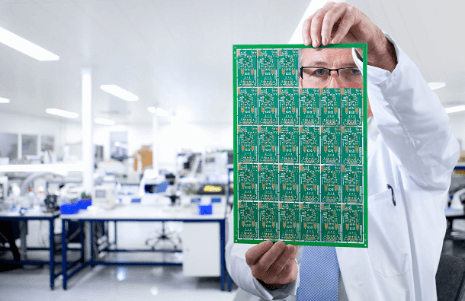
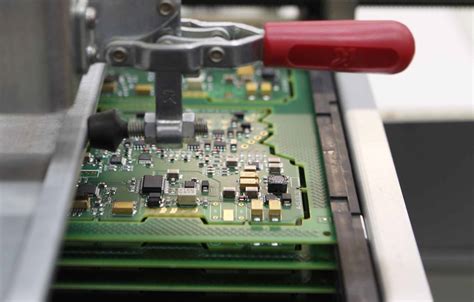
PCB assembly (PCBA) is the process of soldering electronic components onto a printed circuit board (PCB) to create functional electronic devices. This crucial step in electronics manufacturing transforms a bare PCB into a complete, operational unit capable of performing various functions based on its design.
How can I achieve cost-effective PCB assembly?
To achieve cost-effective PCB assembly, consider optimizing the design, reducing component costs, and selecting an experienced PCB assembly provider. Techniques such as advanced prototyping and leveraging bulk purchasing for components can significantly lower costs while maintaining quality.
What are the benefits of using affordable PCB assembly solutions?
Affordable PCB assembly solutions can help increase your overall profit margins and allow for rapid product development. They enable small to medium-sized enterprises to access high-quality manufacturing without the prohibitive costs often associated with traditional methods, thus fostering innovation in the electronics sector.
How do I choose the right provider for my PCBA needs?
Selecting the right provider involves evaluating their experience, capability, and expertise in PCBA services, as well as their pricing structures. Look for providers who demonstrate a commitment to quality control and client communication throughout the production process.
What common pitfalls should I avoid in budget PCB manufacturing?
Common pitfalls include sacrificing quality for lower costs, overlooking thorough testing procedures, and not ensuring sufficient communication with your PCB assembly partner. It’s essential to balance cost with quality to avoid returns or rework that can negate savings.