What is the difference between PCB and PCBA? What is the development prospect of PCB proofing?
PCB is also known as printed circuit board. Whether in college or in society, many friends have been exposed to PCB. In order to enhance everyone’s understanding of PCB, this article will introduce the differences and connections between PCB and PCBA, as well as PCB proofing. If you are interested in PCB, you may wish to join the editor and continue reading.
1. The difference and connection between PCB and PCBA
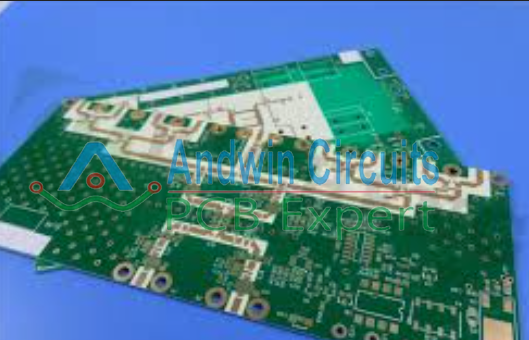
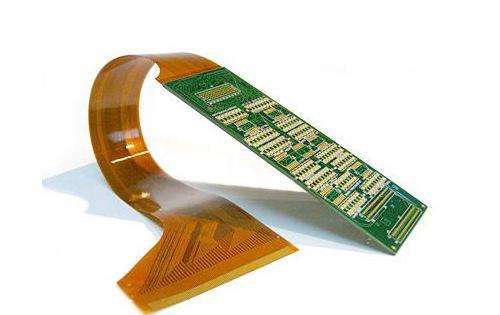
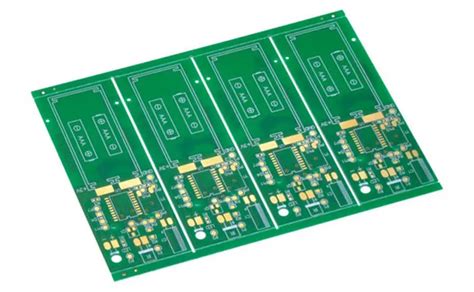
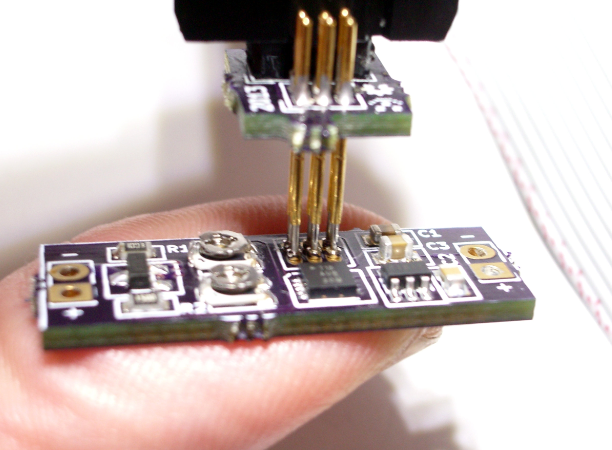
PCB is also commonly known as circuit board pcb circuit board. The production and processing of PCB engineering drawings into circuit board pcb circuit board is called PCB. After SMT (SMT) is passed on the PCB blank board, the electronic components required by the board are affixed, which is called PCBA. The electronic boards have already been pasted, and you only need to install the casing and adjust the program, and a complete electronic device will be completed.
According to statistics, many large, medium and small electronic equipment manufacturers have to avoid the inconvenience of contacting chip manufacturers after purchasing PCBs. More and more electronic equipment manufacturers will choose to let PCB manufacturers produce and process patches at the same time as the PCB is produced, or let patch manufacturers purchase PCBs instead. In these two methods, electronic equipment manufacturers can directly install and use the printed circuit boards to produce finished products. Many manufacturers that only produce PCBs have no reason to process PCBAs as agents, which will harm customers who need the same generation and processing. Such customers choose a manufacturer that has the ability to add additional components, or choose a patch factory and let the patch factory purchase PCBs on their behalf. It is very likely that many people will ask why the chip factory can purchase PCB, and why the PCB factory does not contact the chip factory. It is a relatively simple matter for chip manufacturers to purchase PCBs. They only need to ask customers to provide manufacturing drawings and production processes. Moreover, the price of PCB is very transparent and easy to purchase. PCB manufacturers do not understand the products and prices of various electronic devices. It is impossible to contact the patch factory to carry out patch production, and all the focus can only be placed on manufacturing PCBs.
Since 2009, PCB manufacturers have gradually renovated factories and upgraded PCBA processing lines while manufacturing PCBs. This one-step approach has been recognized by many electronic equipment manufacturers. This method of contemporaneous production and processing has both advantages and disadvantages. OEM manufacturers have more room for profit, but at the same time, their risks are also increasing. The main reason is that in order to purchase electronic devices for customers, the electronic devices required for each electronic device are also different. Even for the same product, the design drawings are different and the electronic devices used are also different. If the model of electronics purchased fails, the board and electronics will be damaged at the same time. The immediate property damage is difficult to estimate. . An increase in capital investment is inevitable. Under the pressure of market competition, it is inevitable for PCB and PCBA to be produced and processed at the same time.
2. PCB prototyping and its prospects
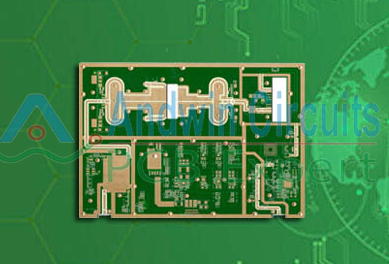
PCB proofing refers to the trial production of printed circuit boards before mass production. It is mainly used by electronic engineers to design circuits and complete the PCB before conducting small batch trial production to the factory, which is PCB proofing. There is generally no specific limit on the production quantity of PCB proofing. Generally, engineers call it PCB proofing before the product design is confirmed and tested.
The main application of PCB proofing is for electronic engineers to design circuits and complete the PCB before conducting small batch trial production to the factory, which is PCB proofing. And with the continuous development of science and technology in our country, PCB proofing is also in constant development. PCB proofing with good quality and low price still has a lot of room for development in the future.
Due to the continuous efforts and hard research and development of PCB prototyping by Chinese scientific researchers, my country’s PCB prototyping has entered an era of high development and has been widely recognized by the PCB industry around the world. The most obvious manifestation is that many domestic and foreign electronic manufacturers have begun to use PCB prototypes made in China as components of their own electronic products. Moreover, the PCB proofing produced in our country is still spreading to various places and industries, and is used more widely. Therefore, users do not have to worry about the future development direction of PCB proofing, because PCB proofing, as a basic component, is widely used in Vietnam. It has been widely used in more and more industries.
At present, domestic professional PCB proofing has made significant progress in product structure. Since the 19th century, various electronic products have been continuously introduced. Electronic products such as mobile phones and computers have gradually become indispensable items in people’s lives. PCB prototyping is the basis of these electronic products and provides core operating conditions for these electronic products. With the continuous development of electronic products, PCB proofing is also constantly improving. There is no need to say much about the future development of electronic products, because electronic products are not only necessities of modern society, but also meet the development needs of modern society, so they must be prosperous and upward. As the main core component of electronic products, PCB proofing will definitely continue to develop with electronic products.
From the current perspective, the future development trend of the PCB proofing industry should be very impressive. Because with the continuous advancement of current process technology, many industries need to use PCB proofing. Good-quality PCB proofing has become a market that is in short supply. And we can clearly know from the above that the development of PCB proofing will definitely increase day by day in the future. Prosperity.