
Flex pcb applications
A 3 layer flex PCB is a type of flexible printed circuit board that has three layers of conductive material separated by insulating layers.
The layers are typically made of a flexible material such as polyimide or polyester, and the conductive material is usually copper.
The layers are bonded together using an adhesive, and the board can be bent or folded to fit into tight spaces or conform to a specific shape.The three layers provide more routing options and allow for more complex designs than a single or double-layer flex PCB.
This type of PCB is commonly used in applications where space is limited, such as in mobile devices, medical equipment, and automotive electronics.
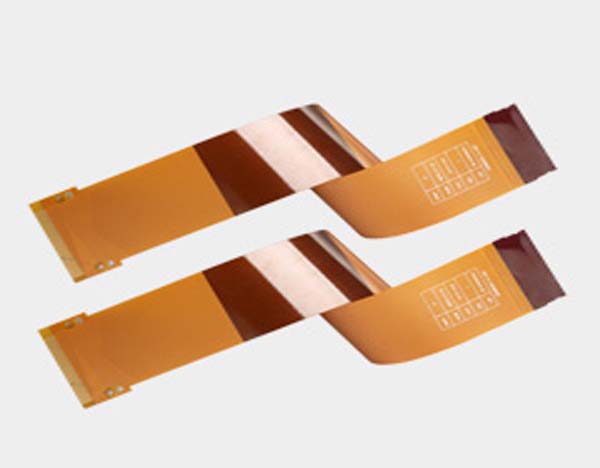
the role of 3 layer flex pcb
The role of a 3 layer flex PCB is to provide a flexible and reliable interconnection solution between electronic components in a compact and space-constrained environment.
The three layers of conductive material allow for more routing options and enable more complex circuit designs.The flexible nature of the PCB allows it to be bent or folded to fit into tight spaces or conform to a specific shape,
making it ideal for use in applications where space is limited.The insulating layers between the conductive layers provide electrical isolation and prevent short circuits.The 3 layer flex PCB is commonly used in a variety of applications,including mobile devices, medical equipment, automotive electronics, and aerospace technology.
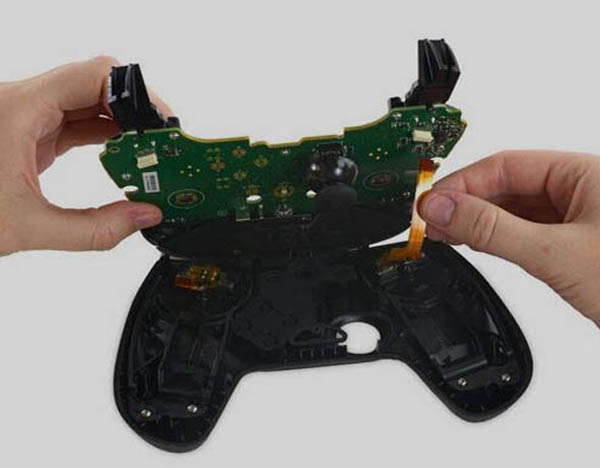
where is the 3 layer flex pcb used
The 3 layer flex PCB is used in a wide range of applications where space is limited and flexibility is required.Some common applications of 3 layer flex PCBs include:
1. Mobile devices:
3 layer flex PCBs are commonly used in mobile phones, tablets, and other portable electronic devices to provide a flexible and compact interconnection solution.
2. Medical equipment:
Flex PCBs are used in medical equipment such as pacemakers, defibrillators, and other implantable devices due to their flexibility and ability to conform to the shape of the body.
3. Automotive electronics:
3 layer flex PCBs are used in automotive electronics such as GPS systems, dashboard displays, and other control systems due to their ability to withstand high temperatures and vibrations.
4. Aerospace technology:
Flex PCBs are used in aerospace technology such as satellites, rockets, and other space vehicles due to their lightweight and flexible nature.
5. Consumer electronics:
Flex PCBs are used in a wide range of consumer electronics such as cameras, gaming consoles,and smart home devices due to their compact size and flexibility.