
The Comprehensive Guide to PCB Boxes: Design, Types, and Applications
Introduction to PCB Boxes
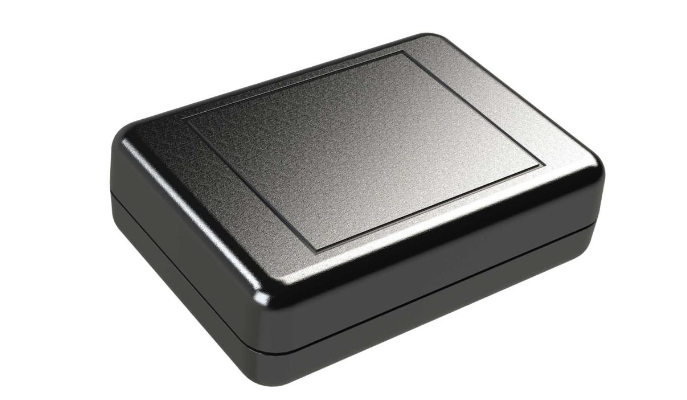
Printed Circuit Board (PCB) boxes, also known as PCB enclosures or electronic enclosures, are protective housings designed to safeguard electronic components and circuits from environmental factors, physical damage, and electromagnetic interference. These essential components serve as the first line of defense for sensitive electronics in virtually every industry that utilizes electronic devices.
PCB boxes have evolved significantly since the early days of electronics when components were often left exposed or placed in rudimentary containers. Today’s enclosures represent a perfect marriage of functionality and design, incorporating advanced materials, precise engineering, and thoughtful features to meet the demanding requirements of modern electronic applications.
The importance of proper PCB enclosure selection cannot be overstated. A well-chosen box not only protects the circuitry inside but also contributes to the device’s thermal management, electromagnetic compatibility (EMC), user interface accessibility, and overall aesthetic appeal. From simple plastic cases for consumer electronics to ruggedized metal enclosures for industrial applications, PCB boxes come in an astonishing variety to meet diverse needs.
Types of PCB Boxes
Material Classification
Plastic Enclosures:
Plastic PCB boxes dominate consumer electronics and many industrial applications due to their versatility, cost-effectiveness, and design flexibility. Common plastics include:
- ABS (Acrylonitrile Butadiene Styrene): Offers good impact resistance and mechanical properties
- Polycarbonate: Provides excellent transparency and high impact strength
- PVC (Polyvinyl Chloride): Known for chemical resistance and durability
- Polypropylene: Offers good chemical and thermal resistance
Plastic enclosures are typically manufactured through injection molding, allowing for complex shapes and integrated features like snap-fit closures, living hinges, and molded mounting points. They excel in applications requiring electrical insulation, lightweight solutions, or specific aesthetic requirements.
Metal Enclosures:
Metal PCB boxes provide superior protection against electromagnetic interference (EMI), physical damage, and heat dissipation. Common metals include:
- Aluminum: Lightweight with excellent thermal conductivity and natural corrosion resistance
- Steel (including stainless): Offers superior strength and magnetic shielding properties
- Zinc alloys: Provide good EMI shielding and dimensional stability
Metal enclosures are typically fabricated through processes like sheet metal bending, die-casting, or extrusion. They’re preferred in industrial, military, and high-reliability applications where ruggedness and EMI protection are critical.
Composite Enclosures:
Composite materials combine the benefits of different materials, such as plastic-metal hybrids that offer both EMI shielding and design flexibility. These are increasingly popular in specialized applications where standard materials don’t meet all requirements.
Design Classification
Standard Off-the-Shelf Enclosures:
Pre-manufactured in common sizes and configurations, these offer quick availability and cost savings. They’re ideal for prototypes or products with standard requirements.
Custom-designed Enclosures:
Tailored to specific applications, custom enclosures provide perfect fits for unique PCB layouts and special requirements like unusual form factors or integrated cooling solutions.
Modular Enclosures:
Featuring interchangeable components, these allow for flexible configurations and easy expansion or modification of electronic systems.

Key Design Considerations for PCB Boxes
Environmental Protection
The enclosure’s protective capabilities should match the intended operating environment:
- IP Ratings: The Ingress Protection (IP) code (e.g., IP67) indicates protection levels against solids and liquids
- NEMA Ratings: Common in North America for industrial applications (e.g., NEMA 4X for waterproof, corrosion-resistant enclosures)
- UV Resistance: Critical for outdoor applications to prevent material degradation
- Chemical Resistance: Important in industrial or laboratory settings
Thermal Management
Effective heat dissipation is crucial for electronic reliability:
- Natural convection (passive cooling through vents or heat sinks)
- Forced air cooling (fans or blowers)
- Heat pipes or thermal interface materials for high-power applications
- Material selection (metal enclosures generally offer better thermal performance)
EMI/RFI Shielding
Electromagnetic compatibility is essential, especially for sensitive electronics:
- Conductive gaskets and seals
- Proper grounding techniques
- Aperture design to minimize leakage
- Material selection (metals provide natural shielding)
Mechanical Considerations
- Mounting options (PCB standoffs, DIN rail mounts, panel mounts)
- Access requirements (doors, removable panels)
- Cable management (strain relief, cable glands)
- Impact resistance (particularly for portable or industrial devices)
Human Factors
- Ergonomic design for user interfaces
- Accessibility of controls and displays
- Aesthetic considerations for consumer products
- Tactile feedback for buttons and controls
PCB Box Manufacturing Processes
Plastic Enclosure Manufacturing
Injection Molding:
The most common method for mass-produced plastic enclosures offers:
- High precision and repeatability
- Ability to create complex geometries
- Integrated features like snap-fits and living hinges
- High initial tooling costs but low per-unit costs at volume
3D Printing:
Increasingly used for prototypes and low-volume production:
- Rapid turnaround for design iterations
- No tooling costs
- Ability to create complex internal structures
- Material limitations compared to injection molding
Metal Enclosure Manufacturing
Sheet Metal Fabrication:
Involves cutting, bending, and assembling metal sheets:
- Cost-effective for low to medium volumes
- Quick prototyping possible
- Allows for precise dimensional control
- Common for rack-mount and industrial enclosures
Die Casting:
Ideal for high-volume production of complex metal parts:
- Excellent dimensional accuracy
- Good surface finish
- High tooling costs justified at volume
- Common for small to medium-sized enclosures
Extrusion:
Used for creating long, uniform profiles:
- Cost-effective for linear designs
- Good for heat sink integration
- Often combined with other processes for complete enclosures
Specialized PCB Box Features
Waterproof and Dustproof Designs
- Sealed gaskets and O-rings
- Specialized cable glands
- Hermetic sealing for extreme environments
- Submersible designs for underwater applications
Explosion-proof Enclosures
- Designed to contain internal explosions
- Prevent ignition of surrounding hazardous atmospheres
- Heavy-duty construction with flame-path design
- Required in oil/gas, chemical, and mining applications
Outdoor-rated Enclosures
- UV-stabilized materials
- Enhanced thermal management for wide temperature ranges
- Corrosion-resistant materials and finishes
- Condensation control features
Smart Enclosures
- Integrated sensors (temperature, humidity, intrusion)
- IoT connectivity for remote monitoring
- Self-regulating thermal management
- Predictive maintenance capabilities
Industry-specific Applications
Industrial Automation
- Rugged designs for harsh factory environments
- DIN rail mounting for control panels
- High EMI shielding for noisy electrical environments
- Often rated for washdown conditions in food processing
Telecommunications
- Weatherproof outdoor enclosures
- Rack-mount designs for data centers
- Specialized RF shielding requirements
- Often include sophisticated cable management
Medical Electronics
- Cleanroom-compatible materials
- Easy-to-clean surfaces
- EMI shielding for sensitive equipment
- Often designed for sterilization procedures
Automotive Electronics
- Vibration-resistant designs
- Wide temperature range operation
- Protection against fluids and chemicals
- Often integrated into vehicle structures
Consumer Electronics
- Aesthetic design priorities
- User-friendly interfaces
- Lightweight and portable designs
- Often focus on slim profiles
Future Trends in PCB Box Design
Sustainable Materials
- Biodegradable plastics
- Recycled materials
- Easily separable materials for recycling
- Reduced material usage through optimized designs
Advanced Manufacturing
- Additive manufacturing for complex geometries
- Hybrid manufacturing combining different processes
- Smart manufacturing for mass customization
- Reduced waste production techniques
Integrated Functionality
- Built-in thermal management solutions
- Integrated antennas and sensors
- Modular designs for easy upgrades
- Self-healing materials for improved durability
Smart and Connected Enclosures
- Condition monitoring capabilities
- Predictive maintenance features
- Interactive user interfaces
- Cloud connectivity for remote management
Conclusion
PCB boxes represent a critical intersection of protection, functionality, and design in electronic products. The proper selection and design of an enclosure can mean the difference between a reliable, long-lasting product and one plagued by failures and user dissatisfaction.
As electronics continue to permeate every aspect of modern life, from industrial equipment to wearable devices, the demands on PCB enclosures grow ever more sophisticated. Designers must balance competing requirements of protection, accessibility, thermal management, EMI control, aesthetics, and cost.
The future of PCB boxes lies in smarter, more sustainable designs that leverage advanced materials and manufacturing techniques while meeting increasingly stringent performance requirements. Whether selecting an off-the-shelf solution or developing a custom enclosure, understanding the full range of considerations outlined in this guide will lead to better electronic products that perform reliably in their intended environments.
By viewing the PCB box not just as a protective shell but as an integral part of the electronic system, designers can create solutions that enhance rather than simply contain the valuable circuitry within.