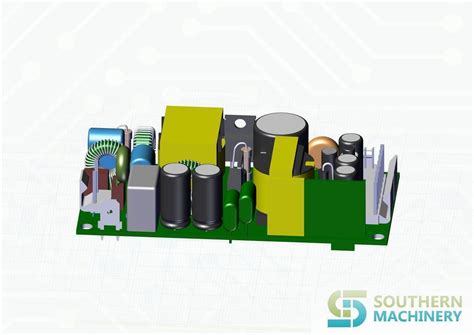
Effective Strategies for Power Supply PCB Assembly Success
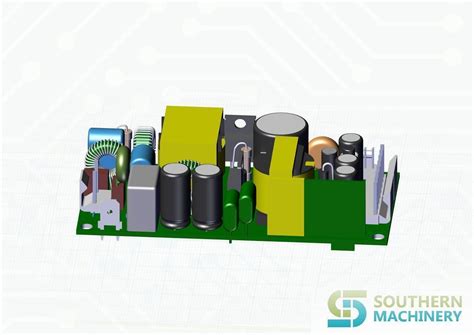
Key Takeaways
In the realm of power supply PCB assembly, several critical strategies emerge as essential to achieving successful outcomes. First and foremost, design optimization plays a pivotal role in enhancing both performance and reliability. This involves a careful selection of layout, trace widths, and component placement that maximizes efficiency while minimizing electromagnetic interference.
Additionally, choosing the right materials is fundamental; components need to be compatible with PCBA processes to ensure durability and efficiency. Conductors made from materials that offer excellent conductivity and thermal performance can significantly impact the overall reliability of the assembly.
When it comes to soldering techniques, advanced methodologies such as reflow soldering or selective soldering not only improve joint quality but also increase production speed. With the increased complexity of modern electronic devices, mastering these techniques is vital for any successful pcb assembly endeavor.
Quality assurance is another cornerstone in power supply PCB assembly. Implementing rigorous testing protocols at various stages of production ensures that each unit functions correctly under different operating conditions.
Lastly, as the industry evolves, staying abreast of future trends in power supply design and assembly—such as miniaturization and integration of smart technologies—will equip manufacturers with a competitive edge.
“Continuous improvement in design and manufacturing processes leads to enhanced product performance.”
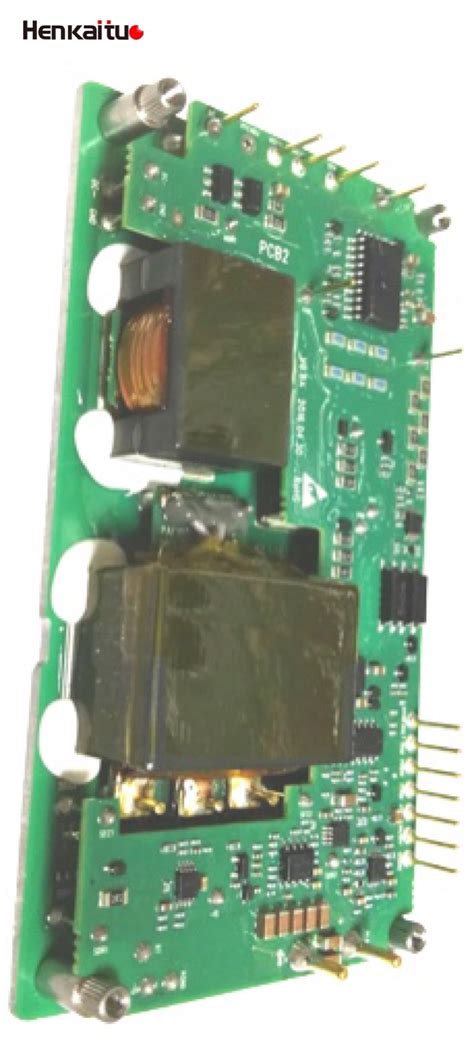
Introduction to Power Supply PCB Assembly
In the realm of electronics, power supply PCB assembly (often abbreviated as PCBA) plays a crucial role in ensuring that devices function optimally. The assembly process involves several intricate steps that require careful consideration of various factors. For instance, the initial phase focuses on the design optimization of the printed circuit board (PCB), which is vital for efficient power distribution and management. By utilizing advanced design techniques, engineers can significantly enhance the performance and reliability of their power supply units.
Additionally, selecting the appropriate components is essential in achieving maximum efficiency during operation. The careful choice of materials used in pcb assembly can affect not only the operational efficiency but also the overall longevity of electronic devices. Alongside this, mastering various soldering techniques is imperative; these techniques determine how well each component adheres to the PCB and influences signal integrity.
Moreover, quality assurance practices should be integrated throughout the entire assembly process to ensure that every unit meets stringent performance standards. This focus on quality helps avoid common issues that might arise from faulty connections or component failures, thereby increasing trust in electronic products.
In conclusion, navigating the complexities surrounding power supply PCB assembly requires a multifaceted approach that prioritizes design optimization, material selection, and strict quality control to foster reliability and performance in electronic applications.
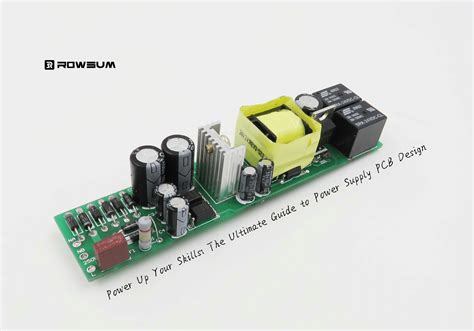
Design Optimization Techniques for Power Supply PCBs
Design optimization is a crucial aspect of power supply PCB assembly that directly influences the overall performance and reliability of electronic devices. When focusing on pcb assembly, it is essential to consider factors such as component placement, trace routing, and thermal management. Efficient component placement not only enhances the electrical performance but also minimizes the size of the PCB, making it suitable for compact applications. Employing stray inductance and capacitance management techniques can significantly improve electromagnetic compatibility (EMC), which is vital for sensitive electronic environments. Furthermore, optimizing trace widths and lengths reduces voltage drop and power loss, ensuring that the PCBA achieves its intended efficiency.
Thermal management is another key aspect that cannot be overlooked in power supply PCB assembly. By incorporating heat sinks or utilizing thermal vias effectively, designers can dissipate heat generated by components such as voltage regulators or power transistors more efficiently. This contributes to the longevity of the board and reduces failure rates in high-stress environments. Moreover, simulation tools can be utilized during the design phase to predict thermal performance and identify potential hot spots early in the process.
To achieve an ideal balance between performance and manufacturability in pcba, it’s equally important to consider standardization during design. Adopting standardized footprints for components helps in streamlining assembly processes while ensuring compatibility with various fabrication techniques. This approach not only enhances production efficiency but also simplifies repairs or upgrades in existing assemblies.
In summary, effective design optimization strategies are integral to enhancing both functionality and reliability within power supply PCB assembly processes. By prioritizing thoughtful component placement, thermal management solutions, and adherence to standardization practices, manufacturers can significantly improve their products’ performance metrics while maintaining cost-effectiveness throughout production cycles.
Selecting the Right Materials for Maximum Efficiency
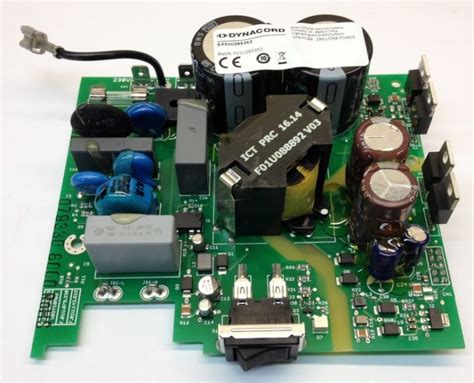
Choosing the appropriate materials for PCB assembly is crucial to achieving maximum efficiency in power supply applications. The performance of a power supply PCB is significantly influenced by the characteristics of the materials selected. Key considerations include thermal conductivity, electrical insulation, and weight, which ultimately affect the overall functionality and reliability of the assembled end product. For instance, selecting high-quality copper for traces can enhance current-carrying capacity, while using substrates with superior dielectric properties can minimize losses and improve signal integrity. Furthermore, incorporating low-temperature co-fired ceramics (LTCC) can provide exceptional thermal management, ensuring the longevity and stability of the power supply. Employing environmentally-friendly materials not only aligns with evolving industry standards but also supports sustainable practices in PCBA. In a landscape that increasingly demands efficiency and durability, investing time in material selection is essential for optimizing performance and ensuring reliability across various electronic applications. Adopting a systematic approach to assess these materials leads to more informed decisions, fostering both innovation and efficiency in power supply PCB assembly processes.
Advanced Soldering Techniques in PCB Assembly
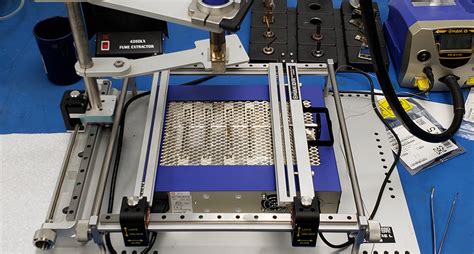
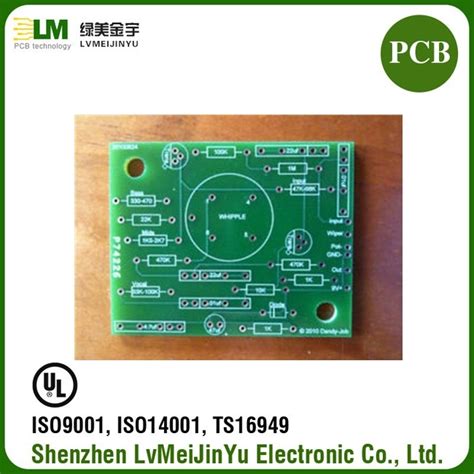
In the realm of pcba, advanced soldering techniques play a pivotal role in ensuring the durability and functionality of the final product. One of the primary methods employed in power supply PCB assembly is the use of precise temperature control during soldering, which mitigates the risk of thermal damage to sensitive components. Techniques such as reflow soldering and wave soldering are frequently utilized, where automated systems provide consistent results across large batches. Additionally, employing lead-free solder is becoming increasingly important due to environmental regulations and industry standards. Implementing a clean and organized work environment can also enhance efficiency, reducing the potential for defects during assembly. Furthermore, advanced methods like laser soldering provide pinpoint accuracy for high-density boards, allowing for better performance in compact designs. Collectively, these innovative soldering techniques not only improve the reliability of power supplies but also contribute to overall effectiveness in the pcb assembly process. By focusing on these aspects, manufacturers can ensure that their products meet rigorous performance benchmarks while reducing downtime and enhancing production flow.
Quality Assurance Practices to Ensure Reliability
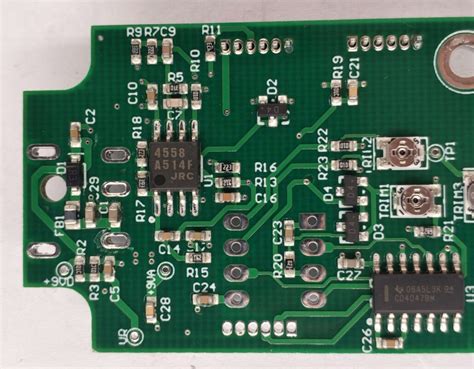
Ensuring reliability in power supply PCB assembly (PCBA) is a multifaceted process that centers on rigorous quality assurance practices. One essential approach is the implementation of routine inspections at various stages of the assembly process. This includes visual inspections for surface mount components and solder joints to detect any defects that could compromise functionality. Moreover, utilizing automated optical inspection (AOI) technology can enhance error detection rates significantly by identifying misaligned or missing components. Another critical aspect involves conducting functional tests after assembly, whereby each unit undergoes performance evaluations under operational conditions to ensure it meets specified standards.
Furthermore, robust documentation practices are vital for maintaining quality in a consistent manner throughout each assembly run. Comprehensive records detailing each step of the PCBA process can serve as invaluable references for troubleshooting and continuous improvement. Implementing a well-defined feedback loop will not only help in rectifying issues swiftly but also foster an environment that encourages proactive adjustments to prevent future problems. In addition, supplier quality management plays a crucial role; thus, collaborating effectively with suppliers to ensure that all materials meet stringent specifications is essential for achieving optimal performance and reliability in power supply applications.
By incorporating these meticulous quality assurance practices into power supply PCB assembly, manufacturers can significantly enhance the overall robustness and longevity of their electronic products, ultimately delivering higher value to end-users and maintaining a competitive edge in the industry.
Common Challenges in Power Supply PCB Assembly and Solutions
The process of pcb assembly for power supply circuits often presents a myriad of challenges that can significantly impact the overall performance and reliability of electronic devices. One common issue is the alignment of components during assembly, particularly for densely populated boards. Misalignment can lead to soldering defects, which can jeopardize circuit integrity. A practical solution to this challenge is the use of automated pick-and-place machines that ensure precise placement of components, thereby enhancing accuracy in pcba processes.
Another significant challenge is thermal management. Power supply circuits are prone to overheating, which can affect component lifespan and functionality. Implementing effective thermal design strategies, such as using heat sinks and thermal vias, can mitigate these risks. Additionally, proper selection of materials that possess good thermal conductivity is crucial in optimizing heat dissipation.
Soldering techniques also pose challenges; for instance, inadequate solder joints can lead to poor connectivity or failures in pcb assembly performance. Employing advanced soldering methods, such as reflow soldering or selective soldering, can improve connection quality while reducing the risk of defects. ‘Quality assurance practices’ play a vital role here; implementing rigorous testing procedures during assembly ensures that any issues are identified and rectified promptly.
Moreover, complex circuit designs often result in increased difficulty during troubleshooting and maintenance procedures post-assembly. Adopting modular design approaches allows for easier identification of problems and simplifies repairs when needed, ultimately enhancing the serviceability of power supply systems.
In conclusion, addressing these common challenges through strategic approaches not only ensures higher reliability but also enhances the performance standards expected from modern power supply PCBs in various electronic applications.
Future Trends in Power Supply PCB Design and Assembly
As technology continues to evolve, the landscape of power supply PCB assembly (PCBA) is witnessing significant transformations. One of the most prominent trends is the shift towards miniaturization, which demands more compact and efficient designs. Manufacturers are increasingly focusing on developing smaller components that do not sacrifice performance. This trend is complemented by advancements in design optimization techniques that leverage sophisticated simulation tools to predict thermal performance and power efficiency in real-time.
Additionally, sustainability is becoming a core consideration, with a growing emphasis on using eco-friendly materials and processes during the PCB assembly phase. Designers are now prioritizing recyclable materials while ensuring that their selections still meet rigorous performance standards. Alongside this, incorporating advanced soldering techniques, such as selective soldering or advanced reflow processes, enhances reliability while accommodating these smaller designs.
The integration of smart technologies into PCB manufacturing is another notable future trend. The Internet of Things (IoT) and machine learning are being utilized to monitor production processes closely, enabling predictive maintenance and minimizing downtime during assembly. Such innovations not only streamline operations but also contribute to enhancing the overall quality assurance practices critical to ensuring lasting reliability in power supply applications.
Moreover, as industries demand higher efficiency and stricter compliance with safety regulations, designers are evolving their methodologies to embrace these challenges head-on. Through consistent research and development efforts focused on emerging technologies, the future holds promising advancements for power supply PCBA that will undoubtedly enhance both their functionality and adaptability within diverse electronic applications.
Conclusion
In summary, successful power supply PCB assembly (commonly known as PCBA) demands a comprehensive approach that integrates various components of the assembly process. By emphasizing design optimization, engineers can create layouts that minimize interference and enhance electrical performance. Additionally, careful material selection plays a critical role; choosing high-quality substrates and components can significantly improve the endurance and efficiency of the power supply PCBs. When it comes to assembly, employing advanced soldering techniques ensures robust connections while preventing issues like thermal fatigue and joint failures. Integral to this process is an unwavering commitment to quality assurance practices, which serve to validate each component’s performance and reliability before the final product is deployed. Despite the challenges faced during the pcb assembly process—such as component misalignment or inadequate testing—adopting proactive solutions can streamline production and reduce waste. Ultimately, by focusing on these core aspects, manufacturers can not only enhance their current operations but also position themselves favorably for future trends in power supply design and assembly technology.
FAQs
What is PCB assembly?
PCB assembly, or PCBA, refers to the process of soldering electronic components onto a printed circuit board (PCB). This is crucial for the functionality of electronic devices.
Why is design optimization important in power supply PCB assembly?
Design optimization enhances the efficiency and performance of power supply PCBs. It allows for better thermal management and can reduce electromagnetic interference, leading to a more reliable PCB assembly process.
What materials should be considered for power supply PCB assemblage?
Selecting the right materials, such as high-quality substrates and solder components, is vital. These choices impact the durability and performance of the overall product during the PCBA process.
What advanced techniques are used in soldering for PCB assembly?
Advanced soldering techniques include reflow soldering and selective soldering, which provide precision and ensure strong electrical connections in PCB assembly, enhancing reliability.
How do quality assurance practices affect PCB assembly?
Quality assurance practices help in identifying defects early in the PCBA process, ensuring that each unit meets industry standards. This practice minimizes failures and improves customer satisfaction.
What are common challenges faced during power supply PCB assembly?
Some common challenges include component misalignment, thermal dissipation issues, and improper solder joints. Each of these can impact the performance of the final product significantly.
For more insight on building reliable power supply PCBs through effective techniques in pcb assembly, please click here: Andwin PCB Assembly