Flex pcb solder mask
Advantages Of Using Solder Mask On Flex PCBs
The use of solder mask on flexible printed circuit boards (flex PCBs) offers a multitude of advantages that significantly enhance the performance and reliability of electronic devices. As the demand for compact and versatile electronic components continues to rise, the role of flex PCBs becomes increasingly crucial.
These flexible circuits are designed to bend and conform to various shapes, making them ideal for applications where space is limited and flexibility is essential. However, the intricate nature of flex PCBs necessitates protective measures to ensure their longevity and functionality. This is where solder mask comes into play, providing a protective layer that offers numerous benefits.
One of the primary advantages of applying solder mask to flex PCBs is the protection it affords against environmental factors.
Flex PCBs are often exposed to harsh conditions, including moisture, dust, and chemicals, which can compromise their performance. The solder mask acts as a barrier, preventing these elements from coming into direct contact with the circuit traces and components. By doing so, it significantly reduces the risk of corrosion and other forms of damage that could lead to circuit failure. This protective quality is particularly important in industries such as automotive and aerospace, where reliability is paramount.
In addition to environmental protection, solder mask also plays a critical role in preventing short circuits.
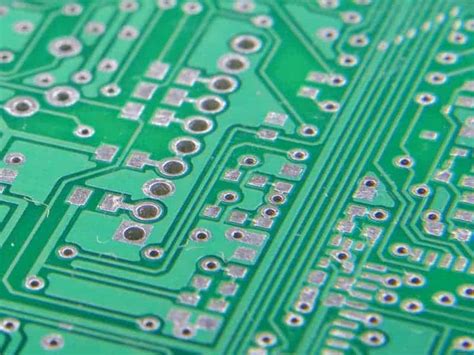
During the manufacturing process, soldering is used to attach components to the PCB. Without a solder mask, there is a higher likelihood of solder bridges forming between adjacent pads or traces, which can result in short circuits. The solder mask helps to define the soldering areas, ensuring that solder is applied only where it is needed. This precision not only minimizes the risk of short circuits but also enhances the overall quality and reliability of the flex PCB.
Moreover, the application of solder mask contributes to improved electrical insulation.
Flex PCBs are often used in complex electronic assemblies where multiple circuits are in close proximity. The solder mask provides an additional layer of insulation between these circuits, reducing the risk of electrical interference and crosstalk. This is particularly beneficial in high-frequency applications where signal integrity is critical. By maintaining clear signal paths, the solder mask helps to ensure optimal performance of the electronic device.
Another notable advantage of using solder mask on flex PCBs is the enhancement of mechanical strength.
The flexible nature of these circuits makes them susceptible to mechanical stress and damage. The solder mask adds a layer of rigidity, helping to reinforce the PCB and protect it from physical wear and tear. This is especially important in applications where the flex PCB is subject to frequent bending or movement, such as in wearable technology or medical devices.
Furthermore, the aesthetic benefits of solder mask should not be overlooked.
The application of solder mask gives the flex PCB a uniform and professional appearance, which is important for both consumer electronics and industrial applications. A well-applied solder mask can also aid in the visual inspection process, making it easier to identify defects or issues during quality control.
In conclusion, the use of solder mask on flex PCBs offers a range of advantages that enhance their durability, reliability, and performance. By providing protection against environmental factors, preventing short circuits, improving electrical insulation, and reinforcing mechanical strength, solder mask plays a vital role in the successful implementation of flex PCBs in various applications. As technology continues to evolve, the importance of solder mask in ensuring the functionality and longevity of flexible circuits will undoubtedly remain significant.
Common Challenges In Applying Solder Mask To Flex PCBs
Applying solder mask to flexible printed circuit boards (flex PCBs) presents a unique set of challenges that differ significantly from those encountered with rigid PCBs. As the demand for smaller, lighter, and more versatile electronic devices continues to grow, the use of flex PCBs has become increasingly prevalent. However, the very characteristics that make flex PCBs desirable—such as their ability to bend and conform to various shapes—also introduce complexities in the manufacturing process, particularly when it comes to applying solder mask.
One of the primary challenges in applying solder mask to flex PCBs is the material’s inherent flexibility.
Unlike rigid PCBs, which provide a stable and flat surface for solder mask application, flex PCBs can bend and twist. This flexibility can lead to difficulties in achieving a uniform coating of solder mask, as the material may not adhere evenly across the entire surface. To address this issue, manufacturers often employ specialized techniques and equipment designed to accommodate the unique properties of flex PCBs. For instance, some processes involve the use of vacuum lamination, which helps ensure that the solder mask conforms closely to the contours of the flex PCB.
In addition to the challenges posed by flexibility, the choice of solder mask material is also critical.
Traditional solder masks used for rigid PCBs may not be suitable for flex PCBs due to differences in thermal expansion and mechanical properties. Flex PCBs often require solder masks that can withstand repeated bending and flexing without cracking or delaminating. Consequently, manufacturers must carefully select solder mask materials that offer the necessary durability and flexibility. This often involves using specialized formulations that are specifically designed for use with flex PCBs.
Another significant challenge is the potential for misalignment during the solder mask application process.
Flex PCBs are typically thinner and more delicate than their rigid counterparts, making them more susceptible to movement during manufacturing. Even slight misalignments can lead to defects such as solder bridging or insufficient coverage, which can compromise the performance and reliability of the final product. To mitigate this risk, manufacturers may employ advanced alignment systems and precision equipment to ensure accurate placement of the solder mask.
Furthermore, the curing process for solder masks on flex PCBs can be more complex than for rigid boards.
The curing temperature and time must be carefully controlled to prevent damage to the flex PCB material. Excessive heat can cause warping or degradation of the substrate, while insufficient curing can result in a solder mask that is not fully hardened, leading to potential issues during subsequent assembly processes. Manufacturers must therefore strike a delicate balance, optimizing the curing parameters to achieve a robust and reliable solder mask application.
In conclusion, while the application of solder mask to flex PCBs presents several challenges, advancements in materials and manufacturing techniques continue to improve the process. By understanding and addressing the unique requirements of flex PCBs, manufacturers can ensure that these versatile components meet the high standards of performance and reliability demanded by modern electronic devices. As technology continues to evolve, ongoing research and development in this area will likely yield further innovations, enhancing the capabilities and applications of flex PCBs in the future.
Innovations In Solder Mask Materials For Flex PCBs
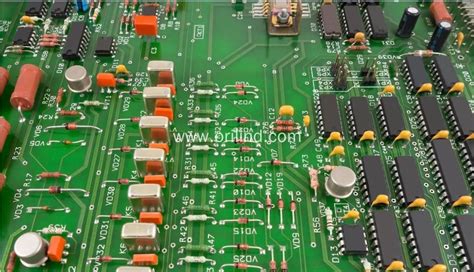
In recent years, the electronics industry has witnessed significant advancements in the development of flexible printed circuit boards (PCBs), which have become integral to modern electronic devices due to their adaptability and space-saving characteristics. A critical component of these flexible PCBs is the solder mask, a protective layer that insulates the conductive traces and prevents solder bridges during assembly. As the demand for more reliable and efficient electronic devices grows, innovations in solder mask materials for flex PCBs have become increasingly important.
Traditionally, solder masks were primarily composed of epoxy-based materials, which provided adequate protection for rigid PCBs.
However, the unique requirements of flex PCBs, such as their need to bend and twist without compromising functionality, have necessitated the development of more advanced materials. Consequently, manufacturers have turned to polyimide-based solder masks, which offer superior flexibility and thermal stability. These materials can withstand the mechanical stresses associated with flexing and are capable of enduring the high temperatures encountered during soldering processes.
Moreover, the evolution of solder mask materials has been driven by the need for enhanced chemical resistance.
Flex PCBs are often exposed to harsh environments, including chemicals and moisture, which can degrade traditional solder masks. To address this challenge, researchers have developed solder masks with improved chemical resistance, ensuring that the integrity of the circuit is maintained even in adverse conditions. This advancement not only extends the lifespan of the flex PCBs but also enhances their reliability in critical applications, such as in automotive and aerospace industries.
In addition to flexibility and chemical resistance, another area of innovation in solder mask materials is their ability to provide better adhesion to the substrate.
Poor adhesion can lead to delamination, which compromises the functionality of the PCB. To mitigate this risk, new formulations have been engineered to enhance the bond between the solder mask and the underlying substrate. This improvement is particularly crucial for flex PCBs, which are subject to repeated mechanical stresses that can exacerbate adhesion issues.
Furthermore, the miniaturization of electronic components has necessitated the development of solder masks with finer resolution capabilities.
As devices become smaller and more complex, the need for precise application of solder masks becomes paramount. Innovations in photolithography techniques and material formulations have enabled the production of solder masks that can accommodate the intricate designs of modern flex PCBs. This advancement ensures that even the most delicate circuits are adequately protected, thereby reducing the risk of electrical failures.
In conclusion, the innovations in solder mask materials for flex PCBs have been pivotal in meeting the evolving demands of the electronics industry. By enhancing flexibility, chemical resistance, adhesion, and resolution capabilities, these advancements have significantly improved the performance and reliability of flex PCBs. As technology continues to advance, it is likely that further innovations will emerge, driven by the need for even more sophisticated electronic devices. The ongoing research and development in this field underscore the importance of solder masks in the broader context of electronic manufacturing, highlighting their critical role in the functionality and longevity of modern electronic devices.
Best Practices For Designing Flex PCBs With Solder Mask
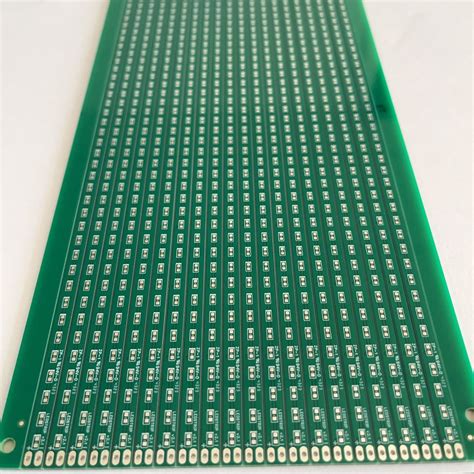
When designing flexible printed circuit boards (PCBs) with solder masks, it is essential to adhere to best practices to ensure optimal performance and reliability. Flex PCBs, known for their ability to bend and conform to various shapes, are increasingly used in applications where space and flexibility are critical. The solder mask, a protective layer applied to the PCB, plays a crucial role in preventing solder bridges, protecting against environmental damage, and ensuring the longevity of the circuit. Therefore, understanding the nuances of designing flex PCBs with solder masks is vital for engineers and designers.
To begin with, selecting the appropriate solder mask material is a fundamental step.
Unlike rigid PCBs, flex PCBs require solder masks that can withstand bending and flexing without cracking or peeling. Polyimide-based solder masks are often recommended due to their excellent flexibility and thermal stability. These materials can endure the mechanical stresses associated with flexing while providing robust protection against moisture and contaminants. Moreover, considering the operating environment of the PCB is crucial, as it influences the choice of solder mask material. For instance, applications exposed to harsh chemicals or extreme temperatures may necessitate specialized solder masks with enhanced resistance properties.
In addition to material selection, the design layout of the flex PCB must be carefully considered.
The solder mask should be applied in a manner that accommodates the unique characteristics of the flex circuit. One best practice is to avoid placing solder mask over areas that will experience significant bending. This precaution helps prevent the solder mask from cracking or delaminating during flexing. Instead, designers should focus on applying the solder mask to areas that require protection, such as pads and traces, while leaving the bend areas uncovered. This approach not only enhances the durability of the solder mask but also maintains the flexibility of the PCB.
Furthermore, the thickness of the solder mask layer is another critical factor in flex PCB design.
A solder mask that is too thick can impede the flexibility of the circuit, while one that is too thin may not provide adequate protection. Striking the right balance is essential, and this often involves collaborating with the PCB manufacturer to determine the optimal thickness based on the specific application requirements. Additionally, ensuring uniformity in the solder mask application is vital to prevent uneven stress distribution, which could lead to premature failure of the flex PCB.
Transitioning to the aspect of design rules, adhering to industry standards and guidelines is imperative.
Standards such as IPC-6013 provide comprehensive guidelines for the design and fabrication of flex PCBs, including recommendations for solder mask application. By following these standards, designers can ensure that their flex PCBs meet the necessary quality and reliability benchmarks. Moreover, engaging in thorough testing and validation processes is crucial to identify potential issues early in the design phase. This proactive approach allows for timely adjustments and refinements, ultimately leading to a more robust and reliable flex PCB.
In conclusion, designing flex PCBs with solder masks requires a meticulous approach that encompasses material selection, design layout, thickness considerations, and adherence to industry standards. By implementing these best practices, designers can enhance the performance and reliability of their flex PCBs, ensuring they meet the demands of modern electronic applications. As technology continues to evolve, staying informed about advancements in materials and techniques will be essential for optimizing flex PCB designs with solder masks.