Flexible pcb actuator
Advantages Of Using Flexible PCB Actuators In Modern Electronics
Flexible PCB actuators have emerged as a pivotal component in the realm of modern electronics, offering a multitude of advantages that cater to the ever-evolving demands of technology. As electronic devices continue to shrink in size while expanding in functionality, the need for components that can adapt to these changes becomes increasingly critical. Flexible PCB actuators, with their unique properties, provide a solution that addresses these challenges effectively.
One of the primary advantages of flexible PCB actuators is their inherent adaptability.
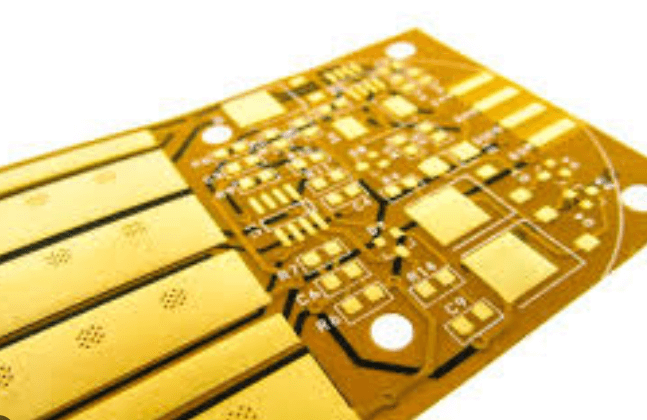
Unlike traditional rigid PCBs, flexible PCBs can bend, twist, and conform to various shapes and surfaces. This flexibility allows for innovative design possibilities, enabling engineers to create more compact and efficient devices. For instance, in wearable technology, where space is at a premium, flexible PCB actuators can be seamlessly integrated into the fabric of the device, providing functionality without compromising on comfort or aesthetics.
Moreover, the lightweight nature of flexible PCB actuators contributes significantly to their appeal.
As devices become more portable, reducing weight without sacrificing performance is crucial. Flexible PCBs are typically made from lightweight materials, which helps in minimizing the overall weight of the device. This is particularly beneficial in applications such as drones and other unmanned vehicles, where every gram counts towards enhancing flight efficiency and battery life.
In addition to their adaptability and lightweight properties, flexible PCB actuators offer enhanced durability.
The materials used in their construction are often resistant to environmental stressors such as heat, moisture, and vibration. This resilience ensures that devices can operate reliably in a variety of conditions, which is essential for applications in industries such as automotive and aerospace, where reliability and longevity are paramount.
Furthermore, the integration of flexible PCB actuators can lead to cost savings in the manufacturing process.
Their ability to conform to different shapes means that fewer components are needed to achieve the desired functionality, reducing the complexity and cost of assembly. Additionally, the use of flexible PCBs can streamline the supply chain by minimizing the number of different parts required, which can lead to economies of scale and further cost reductions.
Another significant advantage is the potential for improved performance.
Flexible PCB actuators can be designed to optimize the electrical pathways within a device, reducing resistance and improving signal integrity. This can result in faster data transmission and more efficient power usage, which are critical factors in the performance of modern electronic devices.
The versatility of flexible PCB actuators also extends to their application across a wide range of industries.
From consumer electronics to medical devices, their ability to adapt to different requirements makes them an invaluable component in the design and development of cutting-edge technology. In medical devices, for example, flexible PCBs can be used to create minimally invasive tools that provide precise control and feedback, enhancing patient outcomes.
In conclusion, the advantages of using flexible PCB actuators in modern electronics are manifold. Their adaptability, lightweight nature, durability, cost-effectiveness, and performance enhancements make them an ideal choice for a wide array of applications. As technology continues to advance, the role of flexible PCB actuators is likely to become even more prominent, driving innovation and enabling the development of next-generation electronic devices.

Design Considerations For Flexible PCB Actuators
When designing flexible PCB actuators, several critical considerations must be taken into account to ensure optimal performance and reliability. These actuators, which integrate electronic components onto a flexible substrate, offer unique advantages in applications requiring lightweight, compact, and adaptable solutions. However, the design process involves a careful balance of material selection, mechanical properties, and electrical performance.
To begin with, the choice of substrate material is paramount.
Flexible PCBs typically use polyimide or polyester films due to their excellent thermal stability and mechanical flexibility. Polyimide, in particular, is favored for its high-temperature resistance and durability, making it suitable for applications that demand robust performance under varying environmental conditions. The thickness of the substrate also plays a crucial role, as it affects the flexibility and bend radius of the actuator. A thinner substrate allows for greater flexibility but may compromise mechanical strength, necessitating a careful evaluation of the application’s specific requirements.
In addition to substrate selection, the layout and routing of the conductive traces are vital design considerations.
The traces must be designed to accommodate the mechanical stresses encountered during bending and flexing. To achieve this, designers often employ serpentine or meandering patterns, which distribute stress more evenly and reduce the risk of trace cracking. Furthermore, the use of rounded corners and gradual transitions in trace width can help minimize stress concentrations, enhancing the actuator’s longevity.
The integration of components onto the flexible PCB also requires meticulous planning.
Surface-mounted devices (SMDs) are commonly used due to their compact size and ease of assembly. However, the placement of these components must be strategically considered to avoid areas of high mechanical stress. Additionally, the use of adhesive or encapsulation materials can provide additional mechanical support and protection against environmental factors such as moisture and dust.
Thermal management is another critical aspect of designing flexible PCB actuators.
The flexible nature of these devices can lead to challenges in dissipating heat generated by electronic components. To address this, designers may incorporate thermal vias or heat spreaders to facilitate heat dissipation. Moreover, selecting components with low power consumption can help mitigate thermal issues, ensuring the actuator operates within safe temperature limits.
Electrical performance is equally important in the design of flexible PCB actuators.
The impedance of the conductive traces must be carefully controlled to ensure signal integrity, particularly in high-frequency applications. This may involve the use of controlled impedance traces or differential pairs, depending on the specific requirements of the application. Additionally, the choice of solder mask and surface finish can impact the electrical performance and reliability of the actuator, necessitating careful consideration during the design phase.
Finally, manufacturability and cost are essential factors to consider.
The design should be optimized for efficient production processes, minimizing complexity and reducing the potential for defects. This may involve collaboration with manufacturers to ensure that the design aligns with their capabilities and constraints. Cost considerations should also be balanced with performance requirements, as the use of advanced materials or complex designs can significantly impact the overall cost of the actuator.
In conclusion, the design of flexible PCB actuators involves a multifaceted approach that considers material selection, mechanical and electrical performance, thermal management, and manufacturability. By carefully addressing these considerations, designers can create flexible PCB actuators that meet the demands of modern applications, providing reliable and efficient solutions in a wide range of industries.
Innovations In Flexible PCB Actuator Technology
Flexible PCB actuators represent a significant advancement in the realm of electronic components, offering a versatile and innovative solution for a wide range of applications. These actuators, which are essentially flexible printed circuit boards, have the ability to bend, twist, and conform to various shapes, making them ideal for use in compact and dynamic environments. The development of flexible PCB actuators has been driven by the increasing demand for miniaturization and the need for components that can adapt to the evolving design requirements of modern electronic devices.
One of the primary advantages of flexible PCB actuators is their ability to integrate seamlessly into devices with limited space.
Traditional rigid PCBs often pose challenges in terms of space utilization and design flexibility. In contrast, flexible PCBs can be designed to fit into unconventional spaces, allowing for more innovative product designs. This adaptability is particularly beneficial in industries such as consumer electronics, where devices are continually becoming smaller and more complex. For instance, in wearable technology, flexible PCB actuators can be incorporated into clothing or accessories, providing functionality without compromising comfort or aesthetics.
Moreover, the lightweight nature of flexible PCB actuators contributes to their growing popularity.
As devices become more portable, the need for lightweight components becomes increasingly important. Flexible PCBs are typically made from materials such as polyimide or polyester, which are not only lightweight but also durable and resistant to environmental stressors. This makes them suitable for use in a variety of conditions, from high-temperature environments to those requiring resistance to moisture and chemicals.
In addition to their physical advantages, flexible PCB actuators offer significant electrical benefits.
They can support a high density of components and interconnections, which is crucial for the development of sophisticated electronic systems. This capability allows for the integration of multiple functions within a single flexible PCB, reducing the need for additional components and thereby simplifying the overall design. Furthermore, the use of flexible PCBs can lead to improved signal integrity and reduced electromagnetic interference, enhancing the performance of the final product.
The versatility of flexible PCB actuators extends to their application in emerging technologies.
In the field of robotics, for example, these actuators can be used to create more lifelike and adaptable robotic systems. Their ability to mimic the movement of muscles and joints makes them ideal for use in soft robotics, where flexibility and adaptability are key. Similarly, in the medical field, flexible PCB actuators are being explored for use in minimally invasive surgical tools and implantable devices, where their ability to conform to the human body can lead to improved patient outcomes.
As the technology continues to evolve, the potential applications for flexible PCB actuators are expected to expand even further.
Researchers are exploring new materials and manufacturing techniques to enhance the performance and capabilities of these actuators. For instance, the incorporation of advanced materials such as graphene and carbon nanotubes could lead to even more flexible and conductive PCBs. Additionally, advancements in additive manufacturing and 3D printing are opening up new possibilities for the customization and rapid prototyping of flexible PCB actuators.
In conclusion, flexible PCB actuators represent a transformative innovation in electronic component design, offering a combination of flexibility, lightweight construction, and electrical efficiency. Their ability to adapt to various applications and environments makes them a valuable asset in the development of next-generation technologies. As research and development in this field continue to progress, the impact of flexible PCB actuators is likely to be felt across a wide range of industries, driving further innovation and enhancing the capabilities of electronic devices.
Applications Of Flexible PCB Actuators In Robotics And Automation
Flexible PCB actuators have emerged as a transformative technology in the fields of robotics and automation, offering a myriad of applications that enhance functionality and efficiency. These actuators, characterized by their lightweight, thin, and flexible nature, are increasingly being integrated into robotic systems to provide more versatile and adaptive solutions. As the demand for more sophisticated and compact robotic systems grows, the role of flexible PCB actuators becomes ever more critical.
One of the primary applications of flexible PCB actuators in robotics is in the development of soft robotics.
Unlike traditional rigid robots, soft robots are designed to mimic the flexibility and adaptability of biological organisms. Flexible PCB actuators are ideal for this purpose as they can conform to various shapes and surfaces, allowing robots to perform tasks that require a delicate touch or the ability to navigate through constrained environments. For instance, in medical robotics, flexible PCB actuators enable the creation of robotic arms that can assist in minimally invasive surgeries, providing precision and reducing the risk of damage to surrounding tissues.
Moreover, flexible PCB actuators are instrumental in the advancement of wearable robotics, such as exoskeletons.
These devices are designed to augment human capabilities, providing support and enhancing strength for individuals with mobility impairments or those engaged in physically demanding tasks. The integration of flexible PCB actuators allows for the development of lightweight and comfortable exoskeletons that can adapt to the user’s movements, offering a seamless interaction between human and machine. This adaptability is crucial in ensuring that the exoskeletons are not only effective but also comfortable for prolonged use.
In addition to their applications in soft and wearable robotics, flexible PCB actuators are also making significant contributions to the field of automation.
In manufacturing environments, these actuators are used to create adaptive grippers that can handle a variety of objects with different shapes and sizes. This flexibility is essential in automated assembly lines where the ability to quickly adapt to different tasks can lead to increased efficiency and reduced downtime. Furthermore, the use of flexible PCB actuators in automation extends to the development of smart materials and surfaces that can change their properties in response to external stimuli, enabling more dynamic and responsive systems.
The integration of flexible PCB actuators into robotics and automation systems is further facilitated by their compatibility with existing electronic components and systems.
This compatibility ensures that they can be easily incorporated into current designs without the need for extensive modifications, making them a cost-effective solution for enhancing robotic capabilities. Additionally, the use of flexible PCB technology allows for the miniaturization of components, which is particularly beneficial in applications where space is limited.
In conclusion, the applications of flexible PCB actuators in robotics and automation are vast and varied, offering significant advancements in the development of more adaptive, efficient, and responsive systems. As technology continues to evolve, the potential for these actuators to revolutionize the way robots and automated systems are designed and operated is immense. By providing the flexibility and adaptability needed to meet the demands of modern applications, flexible PCB actuators are poised to play a pivotal role in the future of robotics and automation.