Innovations in Printed Circuits Assembly Corporation Technology

Key Takeaways
The advancements in printed circuits assembly (PCBA) technology have significantly transformed the landscape of the electronics industry. Key innovations in the field, such as improved automated assembly processes and enhanced materials, have led to substantial increases in both efficiency and reliability. For instance, the integration of high-speed pick-and-place machines allows for quicker and more precise placement of components on circuit boards, thus reducing production time and costs. Additionally, the adoption of advanced soldering techniques, including selective soldering and wave soldering, has improved the durability of connections while minimizing defects. As companies continue to explore smart manufacturing practices, the potential for creating more responsive and adaptable production environments grows. The increasing reliance on automation not only boosts productivity but also reduces human error, making it an essential component in optimizing PCB assembly processes. Moving forward, it is crucial for organizations to stay abreast of these technological developments to harness their full potential in shaping a more efficient and reliable future for PCB assembly in electronics manufacturing.

Overview of Printed Circuits Assembly Technology
The realm of printed circuit board assembly (PCB assembly) has undergone significant transformations, driven by technological advancements and the increasing demand for more complex electronic systems. At its core, PCB assembly refers to the process of soldering electronic components onto a printed circuit board (PCB), which serves as the foundation for electronic devices. This process has evolved from manual assembly methods to highly automated systems that enhance precision and speed. Technologies such as surface mount technology (SMT) and through-hole technology have revolutionized the way components are attached, allowing for smaller, more efficient designs that optimize space and improve functionality. Furthermore, the integration of automated optical inspection (AOI) systems has improved quality control within pcba processes, reducing defects and increasing overall reliability. As production methods continue to advance, innovative techniques such as 3D printing for component scaffolding or advanced software for design simulations are making waves in the industry. These innovations not only enhance performance but also enable manufacturers to stay competitive in a rapidly evolving market. Ultimately, these advancements depict a future where pcba technology will facilitate even greater complexities in electronics while aiming to meet stringent reliability and efficiency standards.
Key Innovations Transforming the Industry
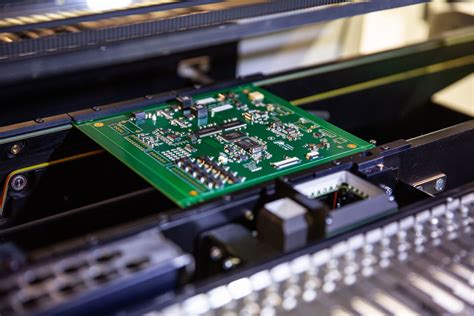
The evolution of pcb assembly technology has given rise to numerous innovations that significantly enhance productivity and effectiveness in the electronics sector. Central to these advancements are techniques such as surface mount technology (SMT) and automated optical inspection (AOI). SMT streamlines the pcba process by allowing components to be mounted directly onto the surface of printed circuit boards, thus reducing space and enhancing circuit complexity. This modernization not only improves efficiency but also plays a pivotal role in increasing the production speed, meeting the rising demands of today’s fast-paced market.
Moreover, reflow soldering has emerged as a reliable method for soldering components, ensuring strong connections while minimizing defects—vital for the operational longevity of electronic devices. The integration of robotics within these processes cannot be overlooked; it has transformed traditional methods into dynamic systems that promise accuracy and consistency.
| Innovation | Impact on Efficiency | Impact on Reliability |
|---|---|---|
| Surface Mount Technology (SMT) | Reduction in assembly time | Enhanced connection stability |
| Automated Optical Inspection (AOI) | Early defect detection | Consistent quality assurance |
| Reflow Soldering | Improved solder strength | Reduced production errors |
“Innovation is the driving force behind sustainable growth within circuit assembly.”
By prioritizing advances in technology like these, companies are not only boosting their operational capabilities but are also setting themselves up for success in future endeavors within the ever-evolving landscape of electronics manufacturing. Embracing these innovations ensures that businesses remain competitive while delivering high-quality products that meet consumer expectations. Achieving optimal results involves leveraging these modern techniques to create reliable pcba solutions capable of addressing contemporary challenges.
Enhanced Efficiency Through Modern Techniques
The evolution of pcb assembly processes has significantly transformed the landscape of electronic manufacturing. By integrating modern techniques, companies have been able to streamline operations, thus enhancing overall efficiency. One of the most notable advancements is the adoption of advanced automation systems, which not only reduce assembly time but also minimize the possibility of human error. Utilizing technologies like robotic pick-and-place systems allows for precise placement of components on circuit boards, resulting in tighter tolerances and better performance in finished products. Moreover, employing techniques such as surface mount technology (SMT) further accelerates production timelines while improving the reliability of assembled units. These innovations within pcba processes contribute to a reduction in costs and better resource management, which are crucial in today’s competitive market. Additionally, real-time data analytics play a pivotal role in optimizing supply chains and inventory management, thus ensuring that production meets market demand without excess waste. As a result, companies embracing these modern technologies not only boost their operational effectiveness but also position themselves at the forefront of industry advances, promising a steady trajectory towards a more efficient future in printed circuits assembly.
Reliability Improvements in Circuit Assembly Processes
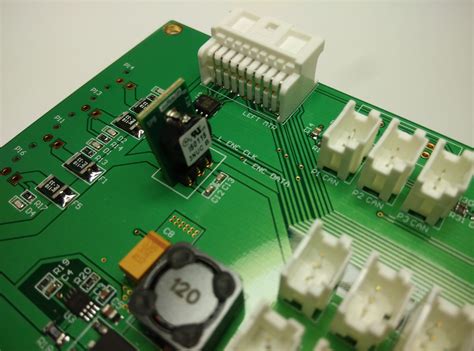
As the electronics industry continues to evolve, pcb assembly processes have witnessed significant reliability enhancements. One of the most notable advancements is the integration of advanced materials that improve the thermal and mechanical stability of printed circuit boards (PCBs). These superior materials not only enhance the durability of the assemblies but also reduce susceptibility to environmental factors, ensuring that pcba products meet stringent performance standards. Moreover, implementing sophisticated automated inspection systems plays a crucial role in identifying defects early in the assembly process, minimizing human error, and enhancing overall quality. Such systems utilize high-resolution cameras and machine learning algorithms to analyze pcb assembly for flaws with remarkable accuracy. Additionally, continuous innovations in soldering techniques have led to stronger joints that can withstand greater stress and thermal cycling. This results in an end product characterized by an increased lifespan and reliability. Ultimately, these improvements underscore a commitment to producing more robust pcba solutions that not only meet customer expectations but also pave the way for future technologies in electronics manufacturing.

Future Trends in Printed Circuits Assembly
The printed circuits assembly (PCA) sector is poised for significant transformation as technology continues to advance. One of the most exciting developments is the integration of automated processes, which enhance the speed and precision of pcba operations. These innovative machines not only reduce human error but also significantly accelerate production times, making them essential for meeting market demands. Furthermore, as electronics become increasingly miniaturized, the ability to produce compact and complex pcb assembly solutions will become paramount. Industry leaders are now exploring additive manufacturing techniques, which allow for greater flexibility in circuit design and reduce waste during production. This shift towards sustainability is driving new efficiency benchmarks that define modern PCA practices. Additionally, advancements in materials science are paving the way for more robust and reliable circuit assemblies, capable of withstanding harsher conditions without compromising performance. As these trends evolve, stakeholders in the electronics industry must stay informed about how these innovations can enhance their operational frameworks and contribute to a more sustainable future in pcb assembly.
Case Studies of Successful Implementations
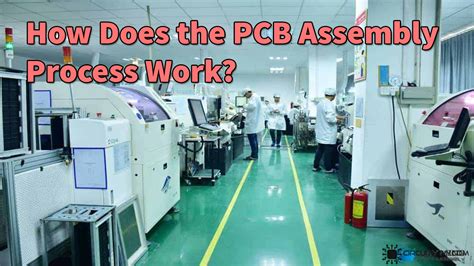
In today’s dynamic electronics landscape, numerous companies are reaping the benefits of state-of-the-art pcb assembly practices. For instance, a leading technology firm recently integrated pcba solutions that utilized advanced materials to enhance the durability and performance of their devices. This implementation led to a marked increase in production efficiency, as the integration of new automated processes reduced assembly time by 30%. Another notable case is that of an automotive manufacturer that adopted printed circuits assembly techniques designed specifically for high-temperature environments. By doing so, they were able to improve their circuit assembly reliability significantly, thus ensuring safety and performance in their vehicles’ electronic systems. These examples illustrate how innovative practices in the pcb assembly sector not only bolster productivity but also elevate quality standards across various applications, setting a precedent for future advancements in the industry. The implications of these successful implementations reach beyond immediate operational benefits; they also pave the way for more sustainable and efficient production cycles in the broader electronics market, indicating a robust future for pcba technologies.
The Role of Automation in Electronics Manufacturing
Automation has increasingly become a cornerstone of pcb assembly processes, revolutionizing the way electronic components are produced and integrated. The integration of cutting-edge technologies such as robotics and artificial intelligence in pcba has led to unprecedented improvements in productivity and precision. Automated systems can perform repetitive tasks with remarkable consistency, significantly reducing the likelihood of human error and ensuring that each assembly meets stringent quality standards. Furthermore, the speed at which these machines operate allows manufacturers to increase output without compromising reliability. As industries continue to seek ways to enhance operational efficiency, this shift towards automation not only streamlines workflows but also optimizes resource management, reducing material waste and lowering production costs. With continuous advancements in both hardware and software, automation is poised to further transform the landscape of electronics manufacturing, making pcb assembly processes more adaptable to ever-evolving market demands while simultaneously pushing the boundaries of innovation. As these technologies evolve, companies must stay abreast of trends to fully harness the benefits automation offers in achieving enhanced performance and competitiveness within the pcba sector.
Conclusion: The Path Forward for Printed Circuits Assembly
The future of pcb assembly is promising, with ongoing innovations steering the industry towards greater heights. As corporations invest in cutting-edge technologies, the pcba sector is experiencing rapid transformations that are redefining operational benchmarks. From automated processes to advanced materials, companies are not just enhancing their productivity but also improving the reliability and durability of their products. Emphasizing efficiency, organizations are leveraging data analytics and machine learning to optimize workflows, ensuring a decrease in production error rates. Additionally, the integration of robotics in pcb assembly lines brings forth a new era, where manual errors are minimized and output quality is significantly heightened. These advancements signal an exciting direction for the electronics industry as manufacturers become more adaptive to market demands and technological evolutions. Overall, as we move forward, aligning with these innovations will be crucial for companies aiming to secure a competitive edge in the ever-evolving landscape of pcba technology.
Conclusion: The Path Forward for Printed Circuits Assembly
As we look towards the future of pcb assembly, it is evident that ongoing innovations will play a pivotal role in the evolution of the electronics industry. The pcba sector is witnessing a transformative shift, driven by advancements in technology that enhance production efficiency and reliability. Key innovations, such as improved material properties and advanced manufacturing techniques, are making printed circuits assembly more streamlined than ever before. These developments not only optimize the assembly process but also reduce costs and minimize waste, aligning with sustainability goals in manufacturing. Moreover, with the increasing complexity of electronic devices, the integration of automation within pcb assembly has proven essential in maintaining high throughput while ensuring quality control. As we continue to forge ahead, it’s crucial for stakeholders to embrace these innovative techniques, which lay the groundwork for a more efficient and reliable future in electronic manufacturing. The path forward is marked by a commitment to adopting emerging technologies that will further drive success in pcba, ensuring that it meets the demands of an ever-evolving market landscape.
FAQs
What is PCB assembly?
PCB assembly, or printed circuit board assembly, is the process of placing electronic components onto a printed circuit board (PCB) to create functional electronic devices.
What are the key benefits of modern techniques in PCBA?
Modern techniques in PCBA improve efficiency and reliability, enabling manufacturers to produce high-quality products at a faster rate and reduce errors during the assembly process.
How does automation impact PCB assembly processes?
Automation plays a crucial role in PCB assembly, enhancing precision and consistency. Automated systems minimize human error and allow for high-volume production with reliable results.
What trends are emerging in printed circuits assembly technology?
Emerging trends include advancements in materials used for PCB assembly, the incorporation of smart technologies, and the growing importance of sustainability in manufacturing practices.
Can you provide an example of successful implementation of PCB assembly innovations?
Several companies have successfully integrated advanced PCBA techniques, such as flexible circuits and miniaturization, resulting in smaller, more efficient devices that meet evolving market demands.