Optimizing PCB Assembly for Cost-Effective Production
Key Takeaways
Effective PCB assembly optimization requires balancing technical precision with economic considerations. Implementing design-for-manufacturing (DFM) principles reduces errors in PCBA workflows, while strategic component sourcing minimizes material waste. Below are critical insights for aligning production efficiency with cost control:
| Strategy | Key Action | Cost-Benefit Impact |
|---|---|---|
| Design Optimization | Simplify layouts, standardize footprints | 15–25% reduction in prototyping costs |
| Component Selection | Prioritize commercially available parts | 30% faster sourcing cycles |
| Process Streamlining | Automate solder paste application | 20% lower labor expenses |
Central to PCB assembly success is lifecycle cost analysis, which evaluates long-term reliability against upfront expenses. For PCBA projects, integrating automated optical inspection (AOI) systems improves defect detection rates by up to 40%, preventing costly rework. Additionally, adopting panelization techniques maximizes substrate utilization, directly cutting material costs by 12–18%.
Transitioning to standardized component libraries not only accelerates PCB assembly timelines but also mitigates supply chain disruptions. This approach, combined with modular design practices, ensures scalability for future iterations—a critical factor in maintaining cost-effectiveness without compromising signal integrity or thermal performance.
PCB Design Optimization Strategies
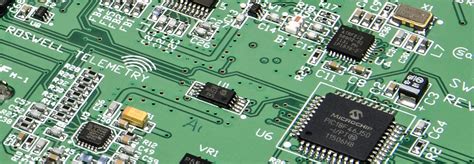
Effective PCB assembly begins with intelligent design choices that balance performance requirements with manufacturing feasibility. By prioritizing component placement and trace routing during the design phase, engineers can reduce PCBA complexity, which directly impacts material waste and assembly time. For instance, grouping high-frequency components closer together minimizes signal interference while optimizing board space utilization.
Adopting Design for Manufacturability (DFM) principles ensures compatibility with automated PCB assembly workflows. This includes adhering to standardized pad sizes, avoiding acute angles in traces, and maintaining consistent solder mask clearances. Thermal management considerations, such as strategic placement of thermal vias or ground planes, further enhance reliability without inflating costs.
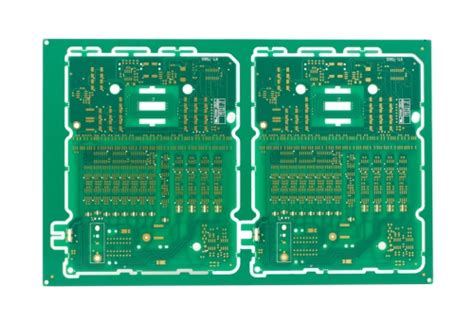
Additionally, leveraging modular design practices allows reuse of validated circuit blocks across multiple projects, accelerating development cycles. Tools like footprint libraries and design rule checks (DRC) help prevent errors that could lead to rework in later PCBA stages. By aligning design parameters with production capabilities—such as panelization for batch processing—manufacturers achieve higher yields and lower per-unit costs.
Finally, material selection plays a pivotal role: choosing cost-effective laminates and finishes that meet performance thresholds ensures durability while avoiding over-specification. This holistic approach to design optimization creates a foundation for efficient printed circuit board and assembly workflows, where every decision contributes to both quality and affordability.
Smart Component Selection Tips
Effective PCB assembly relies on strategic component choices that balance performance, availability, and cost. Start by prioritizing standardized components with proven reliability, as these reduce procurement complexity and minimize delays in PCBA workflows. When selecting parts, evaluate their lifecycle costs—not just the initial price—by considering factors like long-term availability, replacement lead times, and compatibility with automated assembly processes.
For cost-effective production, opt for commercial-grade components over specialized or military-grade alternatives where feasible, as they often offer similar performance at lower prices. Leverage value engineering principles by collaborating with suppliers to identify functionally equivalent parts that meet specifications without over-engineering. Additionally, align component footprints with design for manufacturability (DFM) guidelines to avoid rework during PCB assembly, such as using surface-mount devices (SMDs) that suit high-speed pick-and-place machines.
Another critical aspect is supplier diversification: partner with multiple vendors for critical components to mitigate supply chain risks. Always verify authenticity certifications to prevent counterfeit parts, which can compromise quality and escalate costs through rework. By integrating these strategies, manufacturers can streamline PCBA workflows while maintaining rigorous quality standards across production cycles.
Efficient PCB Manufacturing Methods
Implementing efficient PCB manufacturing methods requires balancing speed, precision, and resource utilization. A cornerstone of modern PCB assembly is adopting automated pick-and-place systems, which reduce human error and accelerate production cycles. For high-volume projects, PCBA lines integrated with surface-mount technology (SMT) enable faster component placement compared to traditional through-hole methods.
Tip: Optimize panelization designs to maximize substrate utilization, reducing material waste and lowering per-unit costs.
Another critical strategy involves standardizing component footprints during design to simplify PCB assembly workflows. Manufacturers often leverage modular tooling setups to minimize downtime when switching between product batches. Advanced thermal profiling during reflow soldering ensures consistent solder joint quality, preventing rework expenses.
“Invest in automated optical inspection (AOI) systems to detect defects early, avoiding costly post-production corrections.”
By combining lean manufacturing principles with smart process monitoring, PCBA providers can achieve 15-20% efficiency gains. For instance, real-time data analytics help identify bottlenecks in solder paste application or component placement, enabling rapid adjustments. Additionally, partnering with suppliers offering just-in-time inventory models reduces storage overhead while maintaining production agility. This approach not only streamlines PCB assembly but also aligns with broader cost-reduction goals without compromising reliability.
Cost-Effective PCB Production Guide
Achieving cost efficiency in PCB assembly requires a holistic approach that balances technical precision with strategic decision-making. Start by optimizing design files for manufacturability (DFM), ensuring features like trace widths, spacing, and drill sizes align with standard PCBA capabilities. This minimizes rework and accelerates production cycles. Leverage panelization techniques to maximize substrate utilization, reducing material waste while maintaining electrical integrity.
Component procurement plays a pivotal role—prioritize standardized parts from verified suppliers to avoid delays and inflated costs. Consider lifecycle availability when selecting ICs or connectors, as obsolete components can derail timelines. Partnering with PCB assembly providers offering volume discounts or consignment models further lowers expenses. For prototyping or low-volume runs, explore shared panel services where multiple designs are combined on a single board, slashing fabrication fees.
Automated processes in PCBA, such as pick-and-place systems and reflow soldering, enhance consistency while reducing labor costs. However, avoid over-specifying tolerances or finishes beyond project requirements. For instance, opting for HASL over ENIG for non-critical applications can yield significant savings. Finally, implement real-time monitoring during production to identify bottlenecks early, ensuring both cost and quality benchmarks are met seamlessly.

Quality Control in PCB Assembly
Effective PCB assembly quality control begins with design verification to ensure manufacturability, minimizing errors before production. Modern PCBA lines integrate automated inspection systems like automated optical inspection (AOI) and X-ray testing to detect soldering defects, component misalignment, or trace irregularities. These tools reduce human error while maintaining zero-defect targets — a critical factor for cost-sensitive projects.
Material traceability is equally vital. Implementing barcode scanning for components ensures authenticity and compliance with industry standards like IPC-A-610. For high-reliability applications, environmental stress testing validates PCB assembly durability under thermal cycling or vibration, aligning with the broader goal of balancing performance and longevity.
Proactive statistical process control (SPC) further strengthens quality by monitoring production trends, enabling real-time adjustments. Collaboration between design and manufacturing teams optimizes PCBA workflows, as early identification of potential flaws reduces rework costs. Finally, rigorous functional testing confirms board operation, safeguarding against field failures. By embedding these practices, manufacturers achieve cost predictability without compromising the integrity of printed circuit board systems.
Balancing Cost and PCB Quality
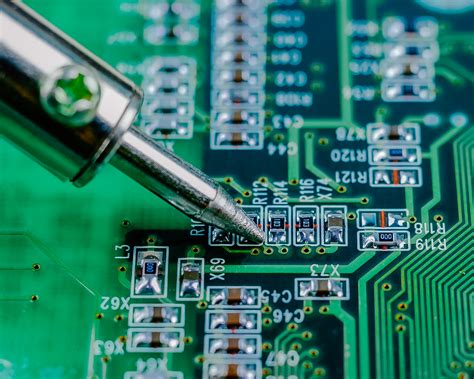
Achieving the ideal equilibrium between PCB assembly expenses and product reliability hinges on strategic decision-making across design, sourcing, and manufacturing phases. While cost reduction remains a priority, compromising critical quality parameters—such as material durability or solder joint integrity—can lead to higher failure rates and long-term expenses. A practical approach involves leveraging design for manufacturability (DFM) principles to simplify layouts, reduce layer counts, and standardize component footprints, all of which lower PCBA complexity without sacrificing performance.
Material selection plays a pivotal role: opting for commercially available components instead of custom parts, while ensuring compatibility with automated assembly processes, minimizes both procurement delays and production errors. However, engineers must avoid over-optimizing for upfront savings—for instance, selecting the lowest-priced parts might necessitate frequent replacements in high-reliability applications. Advanced PCB assembly partners can provide insights into cost-performance tradeoffs, such as recommending alternative substrates or surface finishes that meet environmental requirements without inflating budgets.
By adopting data-driven quality control protocols—like automated optical inspection (AOI) and in-circuit testing (ICT)—manufacturers can identify defects early, preventing costly rework cycles. This proactive strategy ensures that PCBA outputs align with both financial targets and technical specifications, ultimately supporting scalable, sustainable production.
Streamlining PCB Assembly Processes
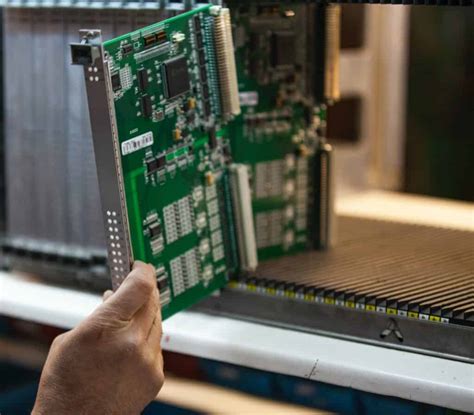
Effective PCB assembly streamlining begins with design-process integration, where engineers collaborate with manufacturers to identify potential bottlenecks. Implementing design for manufacturability (DFM) principles reduces rework by aligning layouts with production capabilities, such as optimizing pad sizes for automated placement. Standardizing component footprints across designs further accelerates PCBA workflows by minimizing machine recalibration.
Leveraging automated optical inspection (AOI) systems during assembly ensures rapid defect detection, reducing downtime compared to manual checks. Pairing this with just-in-time (JIT) component sourcing prevents inventory overload while maintaining production continuity. For high-mix projects, modular assembly lines with quick-change tooling enable seamless transitions between product variants without sacrificing throughput.
Analyzing PCB assembly data—such as placement accuracy rates or solder paste application consistency—helps refine process parameters iteratively. This data-driven approach, combined with predictive maintenance for pick-and-place machines, minimizes unplanned stoppages. By integrating these strategies, manufacturers achieve shorter lead times and lower per-unit costs in PCBA production, directly supporting the broader goal of cost-effective, quality-focused manufacturing.

Component Lifecycle Cost Analysis
Evaluating component lifecycle costs is critical for optimizing long-term value in PCB assembly projects. Unlike upfront procurement expenses, lifecycle analysis accounts for total ownership costs, including maintenance, replacement, and end-of-life disposal. For PCBA manufacturers, selecting components with extended availability cycles reduces obsolescence risks and minimizes redesign costs. Prioritizing parts from suppliers with proven supply chain stability ensures consistent availability, avoiding production delays that inflate expenses.
Integrating predictive maintenance data into design phases further enhances cost efficiency. For example, opting for higher-grade materials in high-stress areas of the PCB assembly can lower failure rates over time. Additionally, leveraging modular designs allows easier upgrades, extending the functional lifespan of PCBA units. Transitioning to standardized components where possible not only simplifies sourcing but also streamlines inventory management, reducing holding costs. By balancing initial investments against operational durability, manufacturers achieve optimal cost-performance ratios while maintaining quality across production batches.
Conclusion
Achieving cost-effective PCB assembly requires a holistic approach that integrates technical precision with strategic decision-making. By implementing design-for-manufacturing principles and leveraging modern PCBA technologies, manufacturers can significantly reduce material waste and labor costs without compromising reliability. The interplay between component standardization and supply chain optimization proves particularly impactful, enabling bulk purchasing advantages while maintaining production flexibility.
Successful implementation demands continuous monitoring of assembly yield rates and defect density metrics, as these indicators directly correlate with long-term cost efficiency. Furthermore, adopting automated optical inspection systems in PCB assembly lines enhances quality control while minimizing rework expenses. As the industry evolves, balancing thermal management requirements with material selection costs will remain critical for maintaining competitive PCBA solutions. Ultimately, organizations that prioritize data-driven process improvements and foster collaboration between design and manufacturing teams position themselves to deliver high-performance circuits at optimized price points.
FAQs
How does design optimization impact overall PCB assembly costs?
Design choices directly influence PCBA expenses. Implementing design for manufacturability (DFM) principles reduces rework by ensuring layouts align with production capabilities, while standardized footprints minimize component sourcing delays.
What role does component selection play in cost-effective PCB assembly?
Opting for readily available, industry-standard components avoids supply chain bottlenecks. Prioritizing PCB assembly-friendly parts with longer lifecycle ratings reduces replacement costs and downtime during volume production.
Can automation reduce costs without compromising PCB quality?
Automated pick-and-place systems and optical inspection tools enhance PCBA precision while lowering labor expenses. However, balancing automation with manual checks for critical signal paths maintains reliability in high-density designs.
How important is prototyping in streamlining PCB assembly workflows?
Prototyping identifies thermal management or signal integrity issues early, preventing costly mid-production revisions. Functional testing at this stage validates component compatibility, ensuring smoother scaling to full PCB assembly runs.
What metrics should manufacturers track for lifecycle cost analysis?
Beyond upfront component costs, evaluate mean time between failures (MTBF) and environmental compliance requirements. This holistic approach optimizes PCBA longevity while adhering to industry-specific reliability standards.
Ready to Optimize Your PCB Assembly Process?
For tailored strategies that align with your project’s cost and quality targets, please click here to explore professional PCB assembly solutions.