Why use thermal pad pcb
Enhanced Heat Dissipation
Thermal management is a critical aspect of modern electronic design, particularly as devices become more compact and powerful.use the thermal pad pcb can effective help equipment operate
One effective solution for managing heat in printed circuit boards (PCBs) is the use of thermal pads.
These materials play a pivotal role in enhancing heat dissipation, thereby ensuring the reliability and longevity of electronic components.
Thermal pads are designed to fill the gaps between heat-generating components and heat sinks or other cooling mechanisms. By providing a direct thermal path, they facilitate the efficient transfer of heat away from sensitive components. This is particularly important in high-power applications where excessive heat can lead to performance degradation or even failure. The use of thermal pads in PCBs helps to maintain optimal operating temperatures, thereby enhancing the overall performance and reliability of the device.
One of the primary advantages of thermal pads is their ability to conform to irregular surfaces.
Unlike thermal greases or pastes, which can be messy and difficult to apply uniformly, thermal pads are easy to handle and can be precisely cut to fit specific components. This ensures consistent thermal contact and minimizes the risk of air gaps, which can significantly impede heat transfer. The conformability of thermal pads also allows them to accommodate variations in component height, further improving thermal performance.
In addition to their conformability, thermal pads offer excellent thermal conductivity.
They are typically made from materials such as silicone, which is infused with thermally conductive fillers like ceramic or metal particles. This composition allows thermal pads to efficiently conduct heat away from components and into heat sinks or other cooling solutions. The high thermal conductivity of these materials ensures that heat is rapidly dissipated, preventing the buildup of hotspots that can damage electronic components.
Moreover, thermal pads provide electrical insulation, which is crucial in preventing short circuits and ensuring the safe operation of electronic devices.
This dual functionality of thermal conductivity and electrical insulation makes thermal pads an ideal choice for a wide range of applications, from consumer electronics to industrial equipment. The ability to provide both thermal management and electrical isolation simplifies the design process and reduces the need for additional insulating materials.
Another significant benefit of using thermal pads in PCBs is their durability and long-term stability.
Unlike thermal greases, which can dry out or pump out over time, thermal pads maintain their performance characteristics throughout the lifespan of the device. This reliability is essential in applications where maintenance is challenging or where long-term performance is critical. The stability of thermal pads ensures that they continue to provide effective heat dissipation, thereby protecting components from thermal stress and extending the overall lifespan of the device.
Furthermore, the use of thermal pads can contribute to the miniaturization of electronic devices.
As components become smaller and more densely packed, efficient thermal management becomes increasingly important. Thermal pads enable designers to manage heat effectively without the need for bulky cooling solutions, thereby supporting the trend towards more compact and lightweight devices. This is particularly relevant in applications such as smartphones, laptops, and wearable technology, where space is at a premium.
In conclusion, the use of thermal pads in PCBs offers numerous advantages in terms of enhanced heat dissipation. Their ability to conform to irregular surfaces, excellent thermal conductivity, electrical insulation properties, durability, and support for device miniaturization make them an indispensable tool in modern electronic design. By effectively managing heat, thermal pads help to ensure the reliability, performance, and longevity of electronic components, thereby contributing to the overall success of electronic devices.
Improved Device Reliability
Thermal pad PCBs, or printed circuit boards with integrated thermal pads, play a crucial role in enhancing the reliability of electronic devices. These specialized PCBs are designed to manage heat dissipation more effectively, which is a critical factor in maintaining the performance and longevity of electronic components.
As electronic devices become increasingly compact and powerful, the need for efficient thermal management solutions has never been more pressing. By incorporating thermal pads into PCBs, manufacturers can significantly improve the reliability of their devices.
One of the primary reasons for using thermal pad PCBs is their ability to dissipate heat away from sensitive components.
Electronic devices generate heat during operation, and if this heat is not managed properly, it can lead to overheating and subsequent failure of the components. Thermal pads provide a direct path for heat to be conducted away from the components and into a heat sink or other cooling mechanism. This efficient heat transfer helps to maintain optimal operating temperatures, thereby reducing the risk of thermal-related failures.
Moreover, thermal pad PCBs contribute to improved device reliability by enhancing the mechanical stability of the components.
The thermal pads act as a cushion, absorbing mechanical stresses that can occur due to thermal expansion and contraction. This is particularly important in environments where devices are subjected to frequent temperature fluctuations. By mitigating the mechanical stresses, thermal pads help to prevent issues such as solder joint fatigue and component cracking, which can compromise the reliability of the device.
In addition to mechanical stability, thermal pad PCBs also offer benefits in terms of electrical performance.
High temperatures can adversely affect the electrical characteristics of components, leading to issues such as increased resistance and signal degradation. By maintaining lower operating temperatures, thermal pads help to preserve the electrical integrity of the components, ensuring consistent performance over time. This is especially critical in high-frequency applications where even minor variations in electrical properties can have significant impacts on overall device performance.
Furthermore, the use of thermal pad PCBs can lead to longer device lifespans.
Electronic components are typically rated for a certain number of operating hours at a specified temperature range. Exceeding these temperature limits can accelerate the aging process of the components, reducing their effective lifespan. By keeping the components within their optimal temperature range, thermal pads help to extend the operational life of the device. This not only enhances reliability but also provides economic benefits by reducing the need for frequent replacements and repairs.
Another important aspect to consider is the impact of thermal pad PCBs on overall system reliability.
In complex electronic systems, the failure of a single component can have cascading effects, potentially leading to the failure of the entire system. By improving the thermal management of individual components, thermal pads contribute to the overall stability and reliability of the system. This is particularly important in critical applications such as medical devices, aerospace, and automotive electronics, where system reliability is paramount.
In conclusion, the use of thermal pad PCBs is a highly effective strategy for improving the reliability of electronic devices. By facilitating efficient heat dissipation, enhancing mechanical stability, preserving electrical performance, extending component lifespans, and contributing to overall system reliability, thermal pads play a vital role in ensuring the dependable operation of modern electronic devices. As technology continues to advance, the importance of effective thermal management solutions like thermal pad PCBs will only continue to grow.
Cost-Effective Thermal Management
Thermal management is a critical aspect of electronic design, particularly as devices become more compact and powerful. One cost-effective solution that has gained traction in recent years is the use of thermal pad PCBs. These specialized printed circuit boards incorporate thermal pads to enhance heat dissipation, thereby improving the overall performance and longevity of electronic components. The adoption of thermal pad PCBs offers several advantages, making them an attractive option for manufacturers seeking efficient and economical thermal management solutions.
To begin with, thermal pad PCBs provide an effective means of heat dissipation, which is essential for maintaining the optimal operating temperature of electronic components.
Excessive heat can lead to performance degradation, reduced lifespan, and even catastrophic failure of electronic devices. By integrating thermal pads into the PCB design, heat generated by components such as processors, power transistors, and LEDs can be efficiently transferred away from the source. This not only helps in maintaining the performance of the device but also ensures its reliability over time.
Moreover, thermal pad PCBs are a cost-effective solution compared to other thermal management techniques.
Traditional methods such as heat sinks, fans, and liquid cooling systems can be expensive and cumbersome to implement. These methods often require additional space and can complicate the design and assembly process. In contrast, thermal pad PCBs offer a streamlined approach by incorporating thermal management directly into the PCB design. This integration reduces the need for additional components and simplifies the overall assembly process, leading to cost savings in both materials and labor.
In addition to cost savings, thermal pad PCBs also contribute to a more compact and lightweight design.
As electronic devices continue to shrink in size, the demand for space-efficient thermal management solutions has increased. Thermal pad PCBs address this need by providing an integrated solution that does not add significant bulk or weight to the device. This is particularly beneficial for applications such as smartphones, wearable devices, and other portable electronics where space and weight are critical considerations.
Furthermore, the use of thermal pad PCBs can enhance the overall thermal performance of the device.
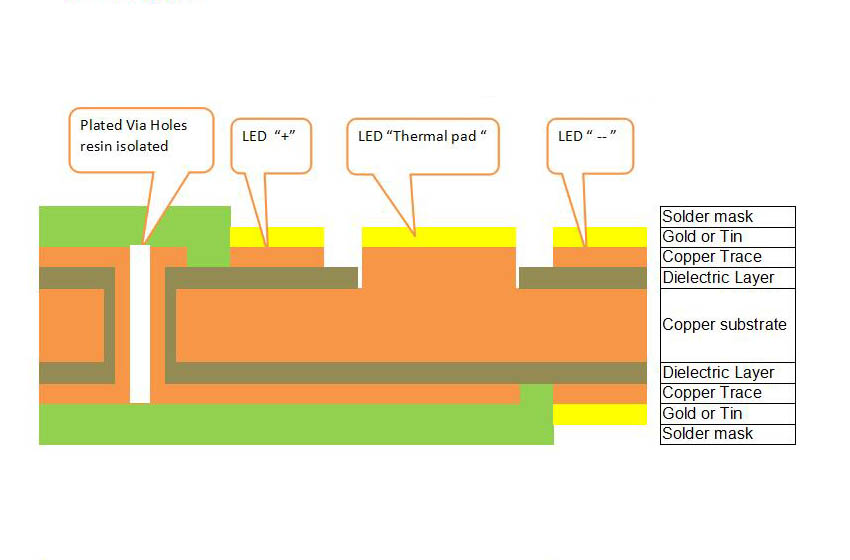
By providing a direct thermal path from the heat-generating component to the PCB, thermal pads can significantly reduce thermal resistance. This improved thermal conductivity ensures that heat is efficiently dissipated, preventing hotspots and ensuring uniform temperature distribution across the PCB. As a result, components can operate at their optimal temperature, leading to improved performance and reliability.
Another advantage of thermal pad PCBs is their versatility and ease of implementation.
Thermal pads can be customized to fit various component sizes and shapes, making them suitable for a wide range of applications. Additionally, they can be easily integrated into existing PCB designs without requiring significant modifications. This flexibility allows manufacturers to adopt thermal pad PCBs in both new and existing products, providing a seamless transition to improved thermal management.
In conclusion, the use of thermal pad PCBs offers a cost-effective and efficient solution for thermal management in electronic devices. By enhancing heat dissipation, reducing the need for additional components, and contributing to a more compact design, thermal pad PCBs provide numerous benefits for manufacturers and end-users alike. As electronic devices continue to evolve, the adoption of thermal pad PCBs is likely to become increasingly prevalent, ensuring optimal performance and reliability in a wide range of applications.
Simplified Assembly Process
The use of thermal pads in printed circuit boards (PCBs) has become increasingly prevalent in modern electronics manufacturing, primarily due to the simplified assembly process they offer. Thermal pads, which are typically made from materials with high thermal conductivity, serve as an interface between heat-generating components and heat sinks or other cooling mechanisms. This integration not only enhances thermal management but also streamlines the assembly process, making it more efficient and cost-effective.
One of the primary advantages of using thermal pads in PCB assembly is the reduction in the number of components required.
Traditional methods often necessitate the use of multiple thermal interface materials, such as thermal grease or adhesive tapes, which can complicate the assembly process. In contrast, thermal pads provide a single, cohesive solution that can be easily applied to the PCB. This simplification reduces the likelihood of errors during assembly, thereby improving overall product reliability.
Moreover, thermal pads are designed to conform to the surfaces they contact, filling in microscopic gaps and ensuring optimal thermal transfer.
This property eliminates the need for precise alignment and meticulous application, which are often required when using thermal grease. Consequently, the assembly process becomes less labor-intensive and more forgiving of minor inconsistencies. This ease of application not only speeds up production but also reduces the need for rework, further enhancing manufacturing efficiency.
In addition to simplifying the assembly process, thermal pads contribute to improved thermal performance.
Efficient heat dissipation is crucial for maintaining the longevity and performance of electronic components. By providing a direct thermal path between heat-generating components and heat sinks, thermal pads help to maintain lower operating temperatures. This thermal management capability is particularly important in high-power applications, where excessive heat can lead to component failure and reduced product lifespan.
Furthermore, the use of thermal pads can lead to cost savings in the manufacturing process.
The streamlined assembly process reduces labor costs and minimizes the need for specialized equipment or training. Additionally, the improved thermal performance can result in fewer warranty claims and lower maintenance costs over the product’s lifecycle. These financial benefits make thermal pads an attractive option for manufacturers looking to optimize their production processes and enhance product quality.
Another significant benefit of thermal pads is their versatility.
They are available in various thicknesses, sizes, and thermal conductivities, allowing manufacturers to select the most appropriate pad for their specific application.
This flexibility ensures that thermal pads can be used in a wide range of electronic devices, from consumer electronics to industrial equipment. The ability to customize thermal solutions to meet specific requirements further simplifies the design and assembly process, as manufacturers can standardize their thermal management approach across different product lines.
In conclusion, the use of thermal pads in PCB assembly offers numerous advantages that contribute to a simplified and more efficient manufacturing process. By reducing the number of components required, easing the application process, and enhancing thermal performance, thermal pads help manufacturers achieve higher product reliability and cost savings.
Their versatility and ability to conform to various surfaces make them an ideal choice for a wide range of applications. As the demand for more efficient and reliable electronic devices continues to grow, the adoption of thermal pads in PCB assembly is likely to become even more widespread.