Innovative Solutions for Custom Electronic Assembly Services
Key Takeaways
In today’s fast-paced technological landscape, understanding custom electronic assembly is essential for businesses looking to optimize their manufacturing processes. The emergence of advanced methodologies and tools has enabled companies to enhance their pcb assembly efforts significantly. By implementing innovative solutions, organizations can now streamline production, thereby reducing lead times and improving efficiency. Furthermore, the integration of automation into pcba practices has proven invaluable by minimizing human error and increasing precision in assembly tasks. This also leads to enhanced quality control as devices are subjected to rigorous testing standards throughout the assembly process. It’s also important to note that an emphasis on cost-effective solutions enables businesses to maintain a balance between high-quality output and budget constraints. As industries continue to evolve, adopting custom electronic assembly services tailored to specific needs not only mitigates production costs but also fosters competitive advantages in the marketplace. Staying abreast of the future trends in electronic assembly technology will be crucial for companies looking to adapt and thrive in a rapidly changing environment.
Understanding Custom Electronic Assembly: An Introduction
Custom electronic assembly plays a pivotal role in the manufacturing landscape, addressing the unique requirements of modern electronic devices. This process encompasses a variety of techniques, most notably PCB assembly and PCBA, which are integral to creating robust electronic products. As technology evolves, the methods used for custom electronic assembly are advancing as well, allowing for increased flexibility in production and customization tailored to specific industry needs.
By leveraging innovative technologies, manufacturers can incorporate advanced design practices and materials that enhance both functionality and manufacturability. One primary benefit of these innovations is the significant reduction in lead times while maintaining high standards of quality. For example, automation techniques help streamline repetitive tasks in the assembly process, ensuring consistency and precision that can be crucial for complex circuit designs.
To illustrate the benefits further, consider the following table outlining key advantages of adopting modern custom electronic assembly solutions:
| Advantage | Explanation |
|---|---|
| Enhanced Customization | Tailored solutions meet specific client requirements seamlessly. |
| Increased Efficiency | Streamlined processes reduce time-to-market significantly. |
| Improved Quality Assurance | Advanced technologies minimize defects in component placement. |
| Cost Reduction | Optimization in production leads to lower overall expenses. |
The evolution of these methods not only enhances the quality of products but also contributes significantly to cost effectiveness without compromising performance standards. As industries evolve, engaging with leading providers in pcb assembly and related services emerges as a critical factor for success, enabling companies to remain competitive while effectively fulfilling market demands.
Innovations in Techniques for Custom Electronic Assembly
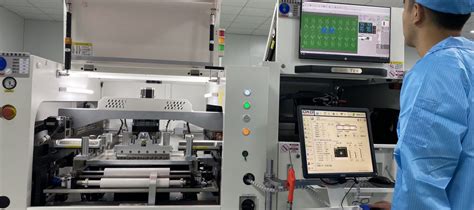
The landscape of custom electronic assembly is undergoing a significant transformation, driven by continuous advancements in technology and novel methodologies. One of the most noteworthy innovations is the implementation of sophisticated pcb assembly techniques that integrate high-speed automated processes. This shift not only enhances efficiency but also reduces human error, leading to improved overall product quality. Techniques such as selective soldering and advanced pick-and-place systems are at the forefront, allowing for pcba designs that are more complex yet reliably assembled.
Moreover, the advent of smart technology in production lines has brought about real-time monitoring and feedback capabilities. This ensures that any potential issues can be addressed promptly, safeguarding both quality and functionality. As companies strive to meet diverse industry needs, they are increasingly adopting agile practices that facilitate quicker turnaround times without compromising on precision.
“The integration of innovative technologies in custom electronic assembly not only optimizes processes but also opens up new avenues for design possibilities,” — this quote encapsulates the significance of these developments. As a result, organizations are encouraged to embrace these methods to remain competitive in an ever-evolving market landscape.
As we delve deeper into specific custom electronic assembly techniques, it becomes evident that fostering a culture of continuous improvement and adaptability is critical for success. Through these advancements, companies can meet the unique demands of various sectors while streamlining their production processes, ultimately leading to greater customer satisfaction.
The Role of Automation in Streamlining Production
In today’s fast-paced manufacturing environment, automation plays a pivotal role in streamlining the custom electronic assembly process. With the increasing complexity of designs and the demand for high-quality products, harnessing advanced automation technologies has become essential. Various techniques, such as robotic assembly and automated inspection systems, are employed to enhance efficiency in pcb assembly or pcba tasks. These technologies minimize human error, ensuring that precision is maintained throughout the production cycle.
Moreover, automation significantly speeds up production times while allowing for greater flexibility in handling varying product requirements. For instance, automated machinery can swiftly adapt to different assembly tasks without extensive downtime, catering to the unique needs of each client. This adaptability is particularly beneficial in custom electronic assembly, where projects may range from low-volume prototypes to high-volume orders.
Additionally, integrated software solutions facilitate real-time monitoring and data analysis during production. By leveraging these insights, companies can swiftly identify bottlenecks or quality issues and implement corrective measures proactively. As a result, automation not only enhances efficiency but also contributes to improved quality control throughout the assembly process.
In conclusion, embracing automation in pcb assembly processes leads to significant advantages in production workflow and product reliability. As industry standards continue to evolve, companies that adopt these innovative solutions will be better positioned to meet diverse market demands while maintaining competitive pricing.
Enhancing Quality Control in Custom Electronic Assembly
In the realm of custom electronic assembly, maintaining rigorous quality control standards is imperative to meet the demands of various industries. The intricate processes involved in pcb assembly and pcba necessitate a comprehensive approach to quality management. By adopting innovative inspection techniques such as automated optical inspection (AOI), manufacturers can significantly enhance the detection of defects during the assembly process. These advanced tools provide real-time feedback, allowing for immediate corrections and minimizing the risk of errors that could affect product reliability. Moreover, implementing robust testing protocols at different stages of production, including functional tests and environmental stress tests, ensures that each component meets stringent specifications before reaching the final assembly.
Furthermore, engaging in continuous improvement strategies forms a crucial aspect of quality assurance. The integration of data analytics and machine learning can help identify patterns and anomalies in production data, leading to proactive measures that enhance overall quality. This not only contributes to reducing waste but also optimizes the production timeline, ultimately leading to lower operational costs. Through a thoughtful combination of technology and diligent quality assurance practices, companies can elevate their custom electronic assembly services to deliver products that meet or exceed industry standards while reinforcing customer confidence in their capabilities.
Cost-Effective Solutions: Balancing Quality and Budget
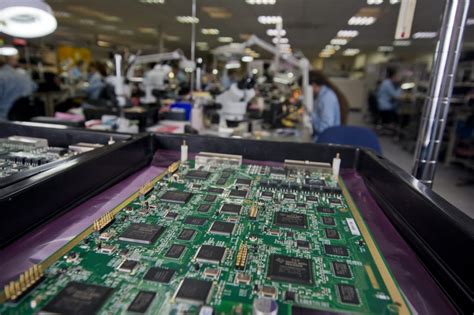
In the realm of custom electronic assembly, businesses are increasingly seeking cost-effective solutions that do not compromise on quality. Achieving this balance is crucial, especially in sectors that rely heavily on pcb assembly and pcba services. To streamline production while maintaining superior standards, companies are exploring innovative methodologies that leverage advanced technologies. For instance, the incorporation of automation in the custom electronic assembly process can substantially reduce labor costs and minimize human errors, thus fostering a more efficient workflow. By utilizing state-of-the-art equipment and techniques, manufacturers are able to enhance their quality control, ensuring that each component meets strict specifications. Furthermore, these innovations not only help in maintaining budget constraints but also enable organizations to allocate resources strategically across different projects. As industries evolve, the demand for quality-driven yet affordable pcb assembly solutions will continue to grow, urging service providers to adapt and innovate consistently. Exploring these paths leads to enhanced competitiveness in a rapidly changing marketplace while meeting the diverse needs of clients across various sectors.
Industry-Specific Applications of Custom Electronic Assembly
Custom electronic assembly services, encompassing pcb assembly and pcba, are crucial across a multitude of industries, each with unique requirements and challenges. In the automotive sector, for example, the emphasis is on durability and performance; hence, assemblies often need advanced thermal management solutions to handle the rigors of automotive environments. Meanwhile, in the medical field, precision is paramount. Components must be manufactured to stringent specifications to ensure patient safety and compliance with regulatory standards. Here, advanced technology in custom electronic assembly not only guarantees accuracy but also enhances the reliability of devices used in diagnostics and treatment.
The consumer electronics industry exemplifies another significant application area. Manufacturers require rapid turnaround times to keep pace with fast-changing trends. Therefore, innovative solutions in custom electronic assembly streamline production processes while ensuring high-quality outcomes. Additionally, sectors like telecommunications rely heavily on custom assembly for cutting-edge pcba designs that support robust network infrastructures.
Moreover, the rise of Internet of Things (IoT) devices highlights the need for flexible and scalable solutions tailored to specific functionalities and performance requirements. Overall, advancements in custom electronic assembly services directly contribute to operational efficiency and product effectiveness across these diverse industries. By leveraging these innovative techniques, businesses can not only meet but exceed growing consumer demands while maintaining cost-effectiveness and quality standards that are critical in today’s competitive landscape.
Future Trends in Electronic Assembly Technology
The landscape of custom electronic assembly is constantly evolving, driven by rapid advancements in technology and manufacturing practices. One of the most significant trends shaping the future is the increasing incorporation of automation within the pcb assembly process. This shift not only enhances production efficiency but also improves precision, reducing the likelihood of human error during assembly tasks. Alongside automation, the integration of advanced analytics and data-driven insights is revolutionizing quality control measures in pcba (printed circuit board assembly). By leveraging real-time data, manufacturers can quickly identify and rectify issues before they impact production quality. Moreover, the adoption of flexible manufacturing systems allows for more agile responses to market demand, accommodating small batch sizes without sacrificing cost-effectiveness. As industries continue to diversify their needs, tailored solutions emerge as essential for addressing specific challenges associated with custom electronic assembly. Additionally, sustainable practices are becoming increasingly important, with companies striving to minimize waste and enhance energy efficiency throughout the assembly process. Collectively, these trends promise to reshape the future of electronic assembly technology, aligning with both market demands and environmental responsibilities.
Choosing the Right Partner for Custom Electronic Assembly Services
Selecting the appropriate partner for custom electronic assembly services is critical to ensuring the success of your project. When evaluating potential partners, it is essential to examine their capabilities, expertise, and track record in pcb assembly and pcba processes. A reliable partner should demonstrate a comprehensive understanding of various assembly techniques and the technologies that enhance efficiency and accuracy. Additionally, assess whether they employ state-of-the-art automation tools that can streamline production, which is vital for meeting demanding timelines without compromising quality. Look for companies that focus on quality control, employing rigorous testing methodologies at every stage of the production process to guarantee that each component meets industry standards. Moreover, consider their ability to adapt to specific industry requirements, as different sectors may have unique needs regarding materials, designs, and regulatory compliance. Ultimately, a partner committed to providing innovative solutions will not only help in reducing costs but also ensure that your project remains competitive in an ever-evolving market landscape.
Conclusion
In the dynamic world of custom electronic assembly, the importance of staying ahead with cutting-edge methodologies cannot be overstated. The advancements in pcb assembly techniques have significantly transformed how companies approach production, permitting them to adapt with agility to the ever-evolving market demands. Key innovations, particularly in pcba processes, facilitate the automation of intricate tasks, thereby enhancing overall efficiency while simultaneously maintaining superior quality standards. As industries increasingly seek cost-effective solutions without compromising on performance, leveraging these innovative strategies becomes essential. Additionally, tailored approaches allow businesses to cater specifically to their unique requirements, ensuring versatility across various sectors. The collective impact of these advancements positions organizations to be better equipped for future challenges and opportunities in custom electronic assembly, reinforcing their competitive edge in a global marketplace.
FAQs
What is custom electronic assembly?
Custom electronic assembly refers to the manufacturing process where electronic components are assembled to create finished products tailored to specific requirements. This often involves pcb assembly and pcba (printed circuit board assembly) to ensure functionality and quality.
How does innovation impact custom electronic assembly services?
Innovation plays a crucial role by introducing advanced techniques and technologies that streamline the process, improve efficiency, and enhance the quality of pcb assemblies. Utilizing innovative solutions can also reduce costs significantly.
What automation technologies are used in custom electronic assembly?
Automation technologies such as robotics, artificial intelligence, and machine learning are increasingly used in the custom electronic assembly process. These technologies help streamline production lines, ensure precision in pcba, and minimize human error.
How is quality controlled in custom electronic assemblies?
Quality control in pcb assemblies involves rigorous testing protocols and procedures at various stages of production. This may include visual inspections, automated tests, and adherence to industry standards to ensure reliability and performance.
What are some cost-effective solutions in custom electronic assembly?
Cost-effective solutions include optimizing production processes through automation, adopting lean manufacturing principles, and partnering with experienced suppliers who provide competitive pricing without compromising on quality or service.
Which industries benefit from custom electronic assembly services?
A variety of industries such as automotive, medical, telecommunications, and consumer electronics utilize custom electronic assembly services. Each industry has specific needs that can be addressed through tailored pcba solutions.