Reliable PCB Manufacturing: Expert Prototyping & Production
Key Takeaways
When evaluating PCB manufacturing partners, you need to consider four core pillars: speed, cost efficiency, technical expertise, and reliability. Leading PCB manufacturing companies optimize workflows to deliver prototypes in as little as 24 hours, minimizing downtime for iterative designs. For example, high-volume production batches often reduce PCB manufacturing cost per unit by up to 40% compared to smaller orders.
| Cost Factor | Impact on Pricing | Optimization Strategy |
|---|---|---|
| Material Selection | High (e.g., FR4 vs. Rogers) | Match specs to application |
| Layer Count | Increases with complexity | Simplify where possible |
| Order Volume | Bulk discounts apply | Plan production cycles ahead |
“Balancing speed and precision is critical in PCB manufacturing business operations. Prioritize vendors with ISO-certified processes to ensure consistency.”
For enterprises, partnering with established PCB manufacturing providers ensures adherence to industry standards like IPC-A-600. Look for companies offering design-for-manufacturability (DFM) checks to avoid costly revisions. A common pitfall is overlooking thermal management in high-frequency designs, which can lead to premature board failure.
Tip: Always request a detailed breakdown of PCB manufacturing cost drivers—such as tooling fees or surface finishes—to align budgets with project requirements.
Lastly, rapid-turnaround services don’t have to compromise quality. Advanced firms leverage automation for faster drilling and etching, maintaining tolerances within ±0.1mm. Whether you’re prototyping or scaling, aligning with a PCB manufacturing partner that offers transparent timelines and cost structures ensures long-term success.
PCB Manufacturing Speed & Cost Efficiency
When optimizing your electronics projects, balancing PCB manufacturing speed with PCB manufacturing cost is critical. Leading PCB manufacturing companies leverage advanced automation and streamlined workflows to reduce lead times while maintaining quality. For instance, prototyping cycles that once took weeks now wrap up in days—or even hours—thanks to precision laser drilling and direct imaging systems. This efficiency doesn’t just apply to small batches; high-volume production benefits from economies of scale, driving down per-unit expenses.
Your PCB manufacturing business decisions should account for material choices, layer counts, and surface finishes, as these directly impact both timelines and budgets. Opting for standard FR-4 substrates over specialized materials, for example, can cut costs by up to 30% without compromising performance. Additionally, partnering with manufacturers offering flexible pricing tiers ensures you pay only for the capabilities you need—whether it’s a 24-hour prototype or a 10,000-unit order.
By aligning your design requirements with a manufacturer’s technical strengths, you avoid over-engineering and unnecessary delays. This balance becomes particularly vital when scaling from prototyping to mass production, where even minor inefficiencies can compound into significant cost overruns.
Expert Prototyping Services Hours
When you require rapid PCB manufacturing for prototypes, partnering with specialized PCB manufacturing companies ensures your design transitions seamlessly from concept to functional board. Leading providers prioritize 24-hour turnaround times without compromising precision, enabling you to test iterations and refine designs faster. This agility is critical for minimizing delays in product development cycles, particularly when PCB manufacturing cost and time efficiency directly impact your project’s viability.
Advanced facilities leverage automated workflows and high-density interconnect (HDI) technologies to maintain consistency, even under tight deadlines. By optimizing material usage and streamlining validation processes, these providers reduce PCB manufacturing business overheads, passing savings to clients. Whether you’re validating a new IoT device or scaling a medical equipment prototype, same-day engineering support ensures design flaws are addressed before full-scale production.
To align with global standards, reputable manufacturers integrate ISO-certified quality checks at every stage, from Gerber file analysis to final electrical testing. This meticulous approach guarantees reliability, whether you’re ordering 5 prototypes or 500. By balancing speed with precision, trusted PCB manufacturing partners empower your team to innovate confidently, knowing timelines and budgets remain intact.
Global Trusted PCB Production Solutions
When partnering with PCB manufacturing companies that operate globally, you gain access to a network of expertise designed to streamline your product development cycle. Leading providers combine cutting-edge technology with rigorous quality control systems, ensuring your boards meet international standards like IPC-A-600 and ISO 9001. This global presence not only accelerates delivery timelines but also mitigates risks through diversified supply chains, a critical advantage in today’s interconnected markets.
For businesses focused on optimizing PCB manufacturing cost, trusted partners leverage economies of scale and regional manufacturing hubs to offer competitive pricing without compromising on reliability. Advanced production facilities enable rapid scaling from prototypes to high-volume orders, aligning with your project’s evolving needs. Moreover, transparent pricing models help you anticipate expenses, whether you’re managing a PCB manufacturing business or integrating third-party services into your workflow.
By choosing established PCB manufacturing experts, you benefit from decades of refined processes, from material sourcing to final testing. This balance of precision engineering and operational agility ensures your designs transition seamlessly from concept to market-ready solutions, backed by a commitment to long-term partnership success.
30 Years of Precision PCB Manufacturing
For three decades, advancements in PCB manufacturing have redefined how industries approach electronics production. When you partner with established PCB manufacturing companies, you gain access to refined processes that prioritize accuracy, durability, and scalability. Over decades of innovation, these providers have mastered balancing speed with quality, ensuring your prototypes or high-volume orders meet exact specifications without compromising performance.
A critical factor in sustaining this legacy is optimizing PCB manufacturing cost structures. By leveraging automated workflows and economies of scale, experienced manufacturers minimize material waste and labor inefficiencies—savings that directly benefit your projects. For businesses navigating competitive markets, this cost-efficiency becomes a strategic advantage, especially when paired with rigorous quality certifications like ISO 9001 and IPC-A-610.
Moreover, longevity in the PCB manufacturing business translates to deep-rooted expertise in handling diverse materials, from FR-4 to high-frequency laminates, and adapting to evolving technologies like HDI or flexible PCBs. Trusted partners invest in cutting-edge equipment and staff training, ensuring your designs transition seamlessly from concept to functional boards. Whether you’re scaling a startup or managing a global supply chain, decades of precision manufacturing provide the reliability needed to stay ahead in fast-paced industries.
Low-Cost PCB Assembly From 2/5pcs
When optimizing your electronics project’s budget, accessing low-cost PCB assembly services starting at $2/5pcs can significantly reduce upfront expenses without compromising quality. Leading PCB manufacturing companies achieve these competitive rates through automated production lines and strategic material sourcing, allowing them to scale operations while maintaining precision. While PCB manufacturing cost structures vary based on board complexity and order volume, many providers offer tiered pricing models that become more economical as your needs grow. For startups and enterprises alike, balancing affordability with reliability is critical—look for manufacturers that combine cost-efficiency with certifications like ISO 9001 or UL listings. By partnering with a PCB manufacturing business that prioritizes lean processes, you gain access to rapid prototyping and bulk production capabilities tailored to your technical specifications. This approach not only streamlines your supply chain but also ensures consistent performance across low- and high-volume orders.
Rapid Turnaround PCB Board Fabrication
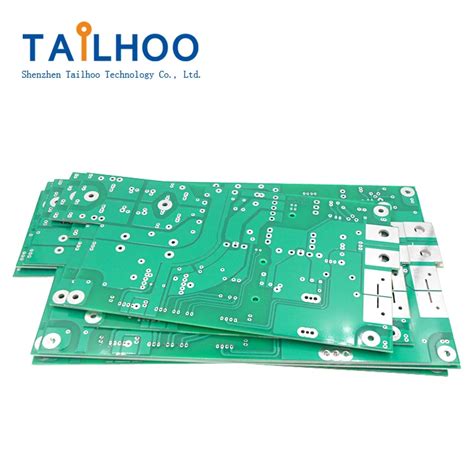
When time-sensitive projects demand quick results, partnering with PCB manufacturing companies that specialize in accelerated production cycles becomes critical. Advanced PCB manufacturing processes now enable fabrication of prototype boards within 24 hours, even for designs with moderate complexity. This speed doesn’t have to compromise quality—modern facilities use automated optical inspection (AOI) and precision drilling to maintain stringent tolerances. While PCB manufacturing cost often correlates with turnaround speed, competitive pricing models allow you to balance urgency with budget constraints. For businesses managing high-volume orders, streamlined workflows in the PCB manufacturing business reduce lead times by up to 40% compared to conventional methods. Real-time order tracking systems further enhance transparency, letting you monitor progress at every stage. Whether you’re iterating prototypes or scaling production, selecting partners with proven expertise in rapid fabrication ensures your timelines align with market demands.
Reliable PCB Prototyping for Enterprises
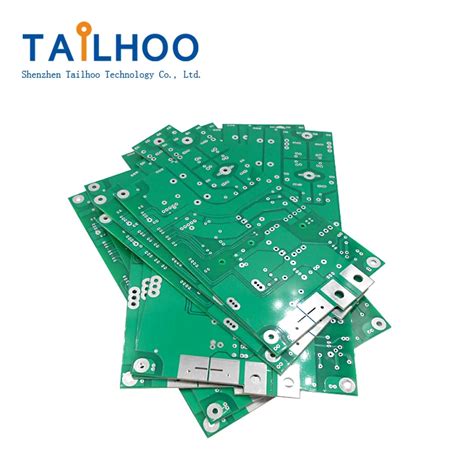
When developing mission-critical electronics, PCB manufacturing precision directly impacts your product’s performance and time-to-market. Enterprises require prototyping partners that balance speed with uncompromising quality, ensuring design flaws are identified early and corrected efficiently. Leading PCB manufacturing companies leverage advanced technologies like laser direct imaging and automated optical inspection to deliver prototypes that mirror final production standards, minimizing costly revisions.
A key consideration for large-scale operations is PCB manufacturing cost optimization without sacrificing reliability. Established providers streamline material sourcing and employ design-for-manufacturability (DFM) analysis to eliminate waste, ensuring your prototypes align with budget constraints. Scalability is equally critical: a prototype must transition seamlessly into mass production, which demands a PCB manufacturing business with robust supply chains and ISO-certified processes.
For enterprises, rapid iterations are non-negotiable. Partnering with experts offering 24-hour turnaround cycles allows you to test multiple design iterations under real-world conditions, accelerating validation phases. This agility ensures your team stays ahead of competitors while maintaining compliance with industry-specific certifications like IPC Class 3 or automotive-grade standards. By prioritizing collaboration and transparency, trusted manufacturers become extensions of your R&D workflow, turning conceptual designs into market-ready solutions.
Custom PCB Manufacturing Best Practices
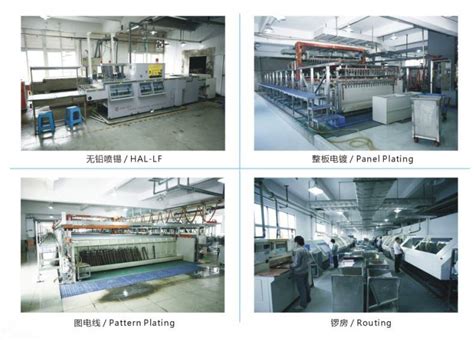
When optimizing your PCB manufacturing process, aligning design intent with production capabilities is critical. Start by collaborating closely with PCB manufacturing companies during the design phase to identify potential fabrication constraints. Design validation tools like DFM (Design for Manufacturing) checks ensure your layout adheres to material tolerances and avoids costly reworks. For complex projects, prioritize suppliers with expertise in handling high-density interconnects or flexible boards, as these directly impact PCB manufacturing cost and lead times.
Material selection also plays a pivotal role. While standard FR-4 substrates suit most applications, specialized environments may require high-frequency laminates or thermal-resistant materials. Balancing performance requirements with budget constraints ensures your PCB manufacturing business remains competitive without compromising reliability. Additionally, clarify testing protocols upfront—automated optical inspection (AOI) and functional testing are non-negotiables for mission-critical applications.
Finally, maintain transparency in timelines and scalability. Establish clear communication channels with your manufacturer to address revisions swiftly, especially when scaling prototypes to full production. By integrating these practices, you streamline workflows, reduce overhead, and ensure consistent quality across every batch.
Conclusion
When navigating the complexities of PCB manufacturing, your choice of partner directly impacts product quality, timelines, and overall project success. Leading PCB manufacturing companies prioritize precision engineering and agile workflows to meet demanding prototyping and production schedules. By leveraging advanced technologies and economies of scale, they optimize PCB manufacturing cost without compromising on material integrity or design fidelity—a critical balance for startups and enterprises alike.
For those managing a PCB manufacturing business, understanding client-specific requirements—from material selection to compliance standards—ensures alignment with industry benchmarks. Cost-effective solutions like low-volume prototyping or high-speed assembly enable you to test designs iteratively while maintaining budget discipline. Meanwhile, established manufacturers with decades of expertise offer risk-mitigated scalability, supporting everything from niche R&D projects to mass production.
Ultimately, the right manufacturer becomes an extension of your engineering team, delivering reliability across every stage of development. By focusing on transparency, rapid turnaround, and adaptive service models, you secure a competitive edge in markets where innovation waits for no one.
Frequently Asked Questions
How quickly can I receive my PCB prototypes?
Most PCB manufacturing companies offer expedited services, with some delivering functional prototypes within 24 hours. Lead times depend on design complexity, but advanced facilities prioritize rapid prototyping to meet tight deadlines.
What factors influence PCB manufacturing cost?
The PCB manufacturing cost varies based on board size, layer count, material type, and surface finish. Bulk orders typically reduce per-unit pricing, while high-density designs may require specialized equipment. Always request a detailed quote to align with your budget.
How do I choose reliable PCB manufacturing companies?
Look for certifications like ISO 9001 and IPC-A-610, which ensure quality control. Reputable providers combine 30+ years of expertise with modern fabrication technologies. Client reviews and case studies also help verify their capability to handle complex projects.
Can small businesses afford custom PCB manufacturing?
Yes. Many PCB manufacturing business models cater to startups and SMEs, offering low-volume production with competitive pricing—starting as low as $2/5pcs for prototypes. Flexible order options allow scaling as your project grows.
What quality assurances come with professional PCB production?
Trusted manufacturers implement rigorous testing, including Automated Optical Inspection (AOI) and electrical testing. These steps ensure your boards meet industry standards for performance and reliability, minimizing post-production issues.
Ready to Start Your Project?
For tailored PCB manufacturing solutions that balance speed, cost, and precision, please click here to connect with experts who streamline prototyping and mass production.