Streamlining Your Production with Consigned PCB Assembly Solutions
Key Takeaways
In today’s competitive manufacturing landscape, understanding consigned PCB assembly is crucial for enhancing production efficiency. This process involves a collaboration where the customer provides the components, streamlining the PCB assembly (or PCBA) process by reducing lead times and minimizing inventory costs. By leveraging consigned PCB assembly, manufacturers can achieve significant improvements in their overall production workflow.
Key benefits include flexibility in sourcing materials and reduced waste, which directly translates to lower costs. Implementing strategic practices such as thorough supplier assessments and regular inventory audits can optimize the PCBA process, ensuring that materials are available when needed without unnecessary surplus.
To illustrate the impact of these strategies, consider the following table highlighting common optimization techniques paired with their corresponding benefits:
| Optimization Technique | Benefits |
|---|---|
| Just-in-Time Inventory | Minimizes storage costs |
| Supplier Quality Management | Enhances component reliability |
| Process Automation | Speeds up production time |
As manufacturers adopt these techniques within their consigned PCB assembly framework, they not only enhance efficiency but also position themselves for sustained success in a rapidly evolving market.
Understanding Consigned PCB Assembly: A Comprehensive Overview
Consigned PCB assembly, often referred to as PCBA, is a modern approach that allows manufacturers to streamline their electronic assembly processes while maintaining high standards of quality and efficiency. In this arrangement, the client provides the necessary components, while the assembly service handles the actual production of the assembled circuit boards. This method not only optimizes inventory management but also enhances cost effectiveness by allowing companies to bypass over-purchasing of components that may not be used in future projects. Furthermore, since clients retain control over the component procurement, they can ensure that only high-quality parts are utilized in the PCB assembly process. The enhanced flexibility of consigned systems also allows for quicker adjustments in production volumes, catering to fluctuating market demands with greater agility. By understanding and implementing consigned PCB assembly, manufacturers can significantly improve their overall manufacturing processes, leading to reduced lead times and increased customer satisfaction.

Benefits of Consigned PCB Assembly for Modern Manufacturing
Consigned PCB assembly offers a myriad of advantages that can significantly elevate the manufacturing landscape for businesses involved in electronics. By utilizing this approach, companies can leverage the flexibility of sourcing their own components, which frequently leads to improved quality control. One paramount benefit is cost-effectiveness; by eliminating the middleman and procuring materials directly, manufacturers often find that their overall production expenses are notably reduced. Additionally, this method ensures that companies have a tighter grip on inventory management, effectively reducing excess stock and minimizing waste.
Moreover, PCBA processes under consignment can enhance turnaround times. As manufacturers gain more control over their supply chains, they are better positioned to respond quickly to market demands and changes in order quantities. This responsiveness not only improves customer satisfaction but also positions companies competitively within the industry.
It is essential to recognize that successful implementation of consigned PCB assembly requires collaboration among all stakeholders involved in the production process. Teams must communicate effectively to align on specifications and expectations for component quality, which ultimately cultivates a stronger relationship between manufacturers and suppliers.
“In the world of electronics manufacturing, flexibility combined with efficiency is key to staying relevant.”
Thus, integrating consigned PCB assembly into your operations is not just about improving margins; it’s also about fostering innovation while navigating the complexities of modern manufacturing challenges. By embracing this approach, businesses can unlock potential growth pathways and solidify their market presence while maintaining high standards of product integrity.
Key Strategies for Optimizing Your Production Process
To effectively enhance your manufacturing capabilities through consigned PCB assembly, it is essential to implement key strategies that target various aspects of the pcba process. First and foremost, establishing clear communication channels with suppliers and partners can help streamline the supply chain. This ensures that materials needed for pcb assembly arrive on time, reducing potential delays. Additionally, adopting lean manufacturing principles allows teams to identify and eliminate waste in their processes, thereby improving overall efficiency.
Utilizing data analytics is another fundamental strategy; by monitoring production metrics and performance indicators, manufacturers can make informed decisions that drive continual improvement. Integrating advanced technologies, such as automated assembly systems and real-time tracking tools, also supports higher accuracy in the production of pcba, ensuring quality control while increasing output rates.
Moreover, regular training programs for staff can play a significant role in optimizing production. Well-trained employees are more adept at navigating challenges within the pcb assembly process and can contribute innovative solutions to enhance operational workflows. In summary, by focusing on these strategies—strengthening communication, embracing lean practices, leveraging technology, and investing in workforce development—manufacturers can significantly elevate the efficiency of their consigned PCB assembly operations.
Cost Reduction Techniques in Consigned PCB Assembly
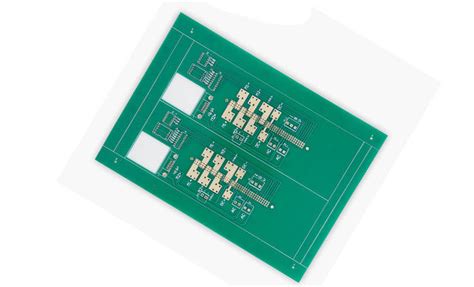
Reducing costs in pcb assembly processes is critical for organizations striving to maintain competitiveness and profitability. One effective approach is to implement consigned PCB assembly, which allows manufacturers to manage inventory more strategically by sourcing components directly while outsourcing assembly. This method not only minimizes expenses related to excess inventory but also enables companies to capitalize on bulk purchasing opportunities, ultimately driving down component costs. Additionally, by streamlining the procurement process, businesses can significantly reduce lead times, enhancing overall operational efficiency. Another technique involves leveraging automated pcba equipment and software solutions that help optimize workflows and reduce labor costs by minimizing mistakes and rework during the assembly process. Regular training for employees on the latest assembly technologies also plays a vital role, ensuring that the workforce operates efficiently and maintains high-quality standards. By employing these cost reduction techniques within a consigned PCB assembly framework, companies can achieve more streamlined operations while enhancing their bottom line.
Best Practices for Effective Electronic Assembly Management
Managing pcb assembly processes effectively is crucial to achieving seamless production and high-quality outcomes. One of the foremost best practices is to establish a clear communication channel among all stakeholders involved in the process. This means ensuring that suppliers, engineers, and assembly line workers are aligned on their responsibilities and have access to the necessary information regarding materials, designs, and timelines. Additionally, implementing a robust quality control system can significantly enhance production quality while minimizing defects in the pcba phase. It is essential to employ sophisticated tracking systems that monitor each stage of the assembly process, facilitating quick identification and resolution of issues that might arise.
Another key practice involves training your workforce on best assembly techniques and maintaining an environment that encourages continual learning. Such training can encompass both manual skills and understanding of modern technologies that assist in pcba efficiency. Moreover, leveraging technology for automation can significantly streamline workflows. For instance, using automated optical inspection (AOI) systems can help detect potential errors prior to final inspections, thus reducing rework and maintaining higher standards of quality during assembly.
By adhering to these methodologies—focused communication, robust training programs, and technology integration—companies can optimize their electronic assembly management practices effectively, leading to reduced operational costs while enhancing productivity in pcb assembly processes. This holistic approach ensures that all facets of production are harmoniously aligned towards achieving manufacturing excellence.
The Role of Technology in Enhancing PCB Assembly Efficiency
The advancement of technology is a fundamental driver in boosting the efficiency of PCB assembly processes. By integrating modern tools and systems, manufacturers can significantly enhance productivity while ensuring high quality in their PCBA operations. Automation plays a pivotal role; for instance, utilizing automated soldering machines and pick-and-place equipment minimizes human error and accelerates production timelines. Additionally, the implementation of advanced software for design verification and resource management allows for real-time monitoring and adjustments, optimizing every phase of pcb assembly. Furthermore, adopting technologies like IoT (Internet of Things) enables data-driven decision-making, where manufacturers can analyze operational metrics to identify areas for improvement. Enhanced communication tools also facilitate better collaboration among teams, streamlining workflows. As the complexity of electronic devices increases, leveraging technology becomes paramount to maintaining competitiveness and delivering high-quality products efficiently in the PCBA industry.
Real-World Case Studies: Success Stories in Consigned PCB Assembly
The implementation of consigned PCB assembly solutions has yielded remarkable results in various manufacturing environments. For instance, a leading electronics firm transitioned to a PCBA process by leveraging consigned materials, which not only streamlined their production workflow but also significantly reduced lead times. This shift allowed the company to respond more quickly to market demands while maintaining high-quality standards. Another noteworthy example comes from an automotive component manufacturer that adopted a consigned approach for their pcb assembly services. By managing inventory more effectively and reducing overhead costs associated with excess materials, they achieved a notable decrease in production costs. The success stories highlighted in these cases exemplify how integrating consigned PCB assembly can lead to enhanced operational efficiency, improved resource management, and increased profitability. Companies seeking to optimize their electronic assembly processes can draw valuable insights from these experiences as they explore the potential of PCBA to meet their production needs effectively.
Conclusion
Incorporating consigned PCB assembly into your manufacturing strategy presents a multitude of advantages for modern industries focused on efficiency and cost-effectiveness. The transition to PCBA methods allows companies to leverage their own components, reducing inventory costs and ensuring that the materials meet specific quality standards. This approach not only enhances flexibility in production but also enables manufacturers to focus on their core competencies, streamlining the overall pcb assembly process. By implementing effective management practices and embracing technological advancements, organizations can optimize pcba operations to adapt quickly to market demands. The success stories of companies that have utilized consigned PCB assembly demonstrate the tangible benefits of this practice; these include improved lead times, increased scalability, and significant reductions in overhead costs. As industries continue to evolve, adopting consigned PCB assembly strategies can be an effective means to remain competitive while fostering innovation and improving productivity in the electronic assembly landscape.
FAQs
What is consigned PCB assembly?
Consigned PCB assembly refers to a manufacturing arrangement where the customer provides the necessary components for the PCBA process. This method allows manufacturers to focus on assembly and testing while the customer retains control over sourcing materials.
What are the benefits of using consigned PCB assembly?
The primary benefits include increased control over component quality, potential cost savings on materials, and flexibility in production schedules. By utilizing consigned PCB assembly, manufacturers can also minimize inventory levels and streamline supply chain logistics.
How can I optimize my production process with consigned PCB assembly?
To optimize your production process, focus on collaboration with your assembly partner, ensure accurate forecasting of component needs, and continuously assess your supply chain operations. Implementing software solutions can also help in tracking parts and managing workflows efficiently in your PCBA process.
Are there any cost-saving techniques associated with consigned PCB assembly?
Yes, some effective cost-saving techniques include bulk purchasing of components by the customer to reduce prices, minimizing waste through precise component management, and leveraging advanced automation technologies during assembly.
What are best practices for managing electronic assembly in a consignment model?
Best practices involve maintaining clear communication with suppliers about components, establishing quality inspection protocols before parts arrive, and aligning production schedules closely to minimize downtime. Regular assessments of the PCBA process can lead to continual improvements.